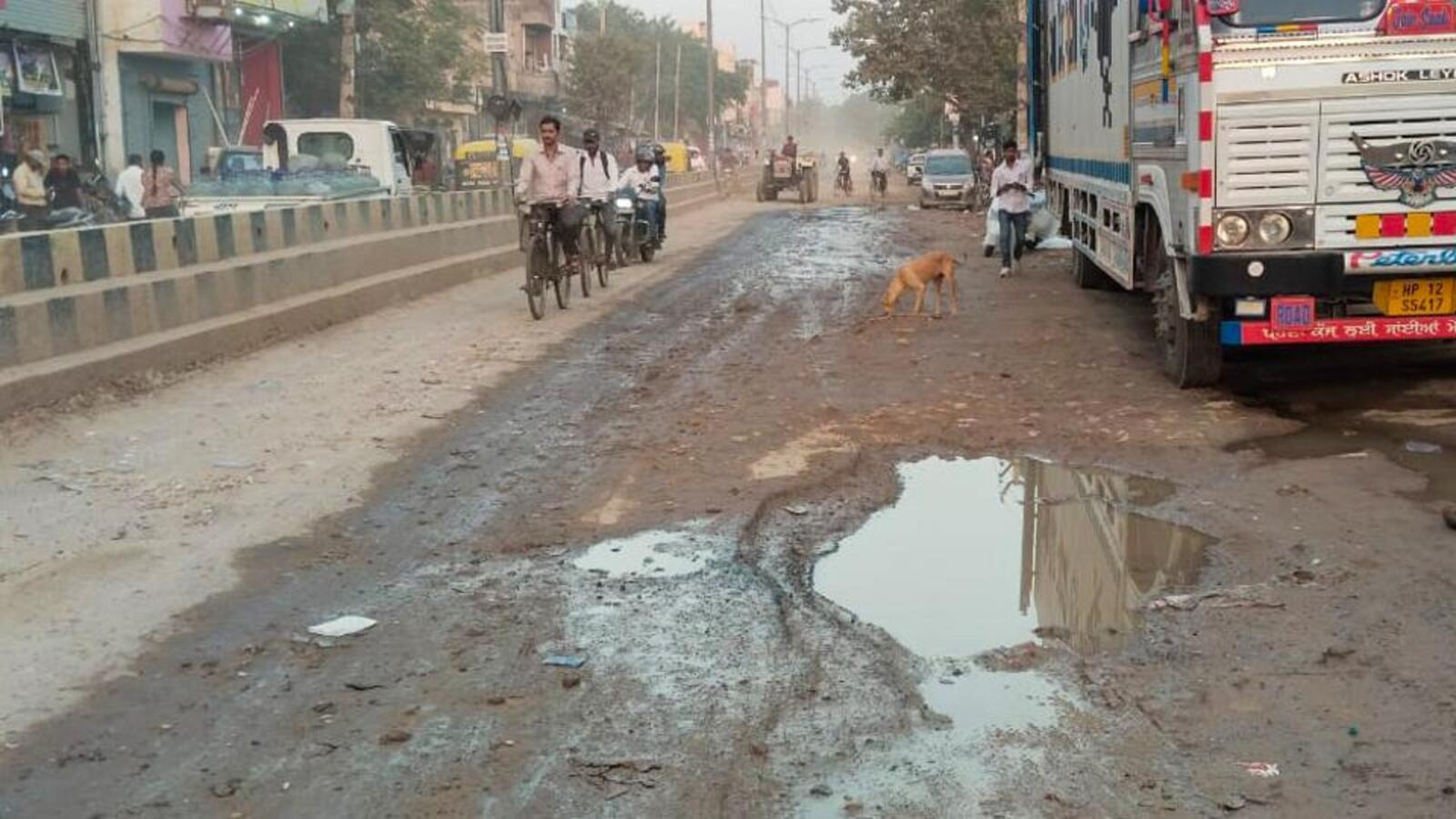
Gurugram Basai Road Traffic Diversion For Repair Works
A temporary traffic diversion is being implemented in Gurugram as civic authorities undertake essential road works along Basai Road, a key connector in the city’s internal mobility network. The move, scheduled over a three-day window, reflects the growing challenge of maintaining ageing urban infrastructure while ensuring uninterrupted access to critical public services. The affected stretch, located near a major public healthcare facility in Sector 10, is expected to witness controlled closures during night-time construction hours. Officials indicate that the work has been deliberately scheduled between late evening and early morning to reduce daytime disruption, a strategy increasingly adopted in high-density urban corridors.
The diversion plan is designed to maintain traffic flow while safeguarding emergency access. Authorities have prioritized ambulance movement and hospital connectivity, with alternate routes mapped to ensure that medical services remain unaffected. Urban mobility experts note that such planning is crucial in rapidly expanding cities, where infrastructure upgrades often intersect with essential civic functions. Basai Road serves as an important arterial link connecting residential clusters and commercial zones in Gurugram. Over time, rising traffic volumes and mixed land use patterns have placed considerable strain on road surfaces and traffic management systems. Periodic upgrades, though disruptive in the short term, are seen as necessary to sustain long-term urban mobility efficiency. Officials involved in the project suggest that coordination with traffic enforcement agencies has been strengthened to manage peak-hour congestion and ensure compliance with diversion routes. On-ground personnel deployment is expected to play a key role in minimizing confusion for commuters, particularly during the transition phases of road closure and reopening.
From a broader urban development perspective, such interventions highlight the balancing act cities face between infrastructure expansion and maintenance. While new expressways and corridors often receive attention, the upkeep of existing road networks remains critical to daily urban functioning. In cities like Gurugram, where rapid real estate growth has outpaced infrastructure upgrades in certain pockets, targeted repairs and traffic management become essential. The emphasis on night-time construction also reflects a shift towards more citizen-sensitive urban planning. By reducing disruption during working hours, authorities aim to limit productivity losses and commuter inconvenience. However, experts caution that effective communication and clear signage are equally important to ensure that diversion plans translate into smooth on-ground execution. Environmental considerations are also increasingly relevant in such projects. Efficient traffic diversion can help reduce idling time and fuel consumption, contributing marginally to lower vehicular emissions during the construction period. While the impact may be limited, it aligns with broader efforts to make urban infrastructure projects more climate-conscious.
As the work progresses, the effectiveness of the diversion strategy will be closely observed by planners and civic agencies. Short-duration interventions like this often serve as test cases for managing larger infrastructure upgrades in dense urban settings, where mobility, safety and sustainability must be addressed simultaneously.