


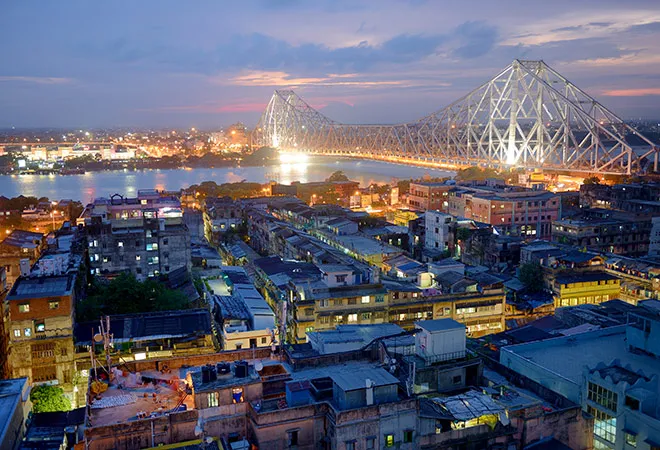
A series of organised cultural events and public-facing creative programmes in Kolkata is signalling renewed momentum in the city’s cultural economy, with implications for urban engagement, local businesses, and neighbourhood-level economic activity.
In recent weeks, event organisers and city-based cultural groups have outlined plans for a more structured calendar of exhibitions, performances and seasonal programming. The move reflects a broader shift in how Indian cities are leveraging creative industries not just for leisure, but as an economic driver tied to tourism, retail, and informal employment.Urban planners note that Kolkata’s long-standing cultural identity—anchored in literature, art and performance—has often operated in fragmented pockets.The current push toward coordinated events suggests an attempt to integrate these activities into a more predictable urban ecosystem, where footfall can be distributed across districts rather than concentrated in legacy venues.This evolving cultural framework is also being seen as a response to changing urban consumption patterns. With younger demographics seeking experience-led engagement, city-based events are becoming key to activating public spaces, from galleries and auditoriums to open-air venues. Industry observers say such activity contributes to a “soft infrastructure” layer in cities—complementing transport, housing and commercial real estate by enhancing liveability.Local businesses, particularly in food, retail and transport, stand to benefit.
Event-linked foot traffic tends to generate short-term economic spikes in surrounding areas, especially in mixed-use neighbourhoods. Hospitality operators indicate that curated events can extend visitor dwell time, indirectly supporting revenue across sectors.However, experts caution that sustainability of such growth depends on institutional support and infrastructure readiness. Issues such as last-mile connectivity, safety, accessibility, and environmental management—including waste generation during large gatherings—remain critical. Without these, the benefits of the expanding events economy may remain unevenly distributed.There is also a growing emphasis on inclusivity. Urban development specialists argue that cultural programming must move beyond elite spaces and engage diverse communities across income groups and geographies. Integrating local artists, informal vendors and community-led initiatives can help ensure that the economic gains from such activities are more widely shared.From a planning perspective, the trend aligns with broader efforts across Indian cities to position culture as an economic and social asset. While metros like Mumbai and Bengaluru have increasingly monetised events and festivals, Kolkata’s approach appears to be focusing on strengthening its identity while adapting to contemporary urban demands.Looking ahead, the success of this strategy will depend on coordination between civic bodies, cultural institutions and private organisers.
If managed effectively, Kolkata’s expanding events landscape could contribute to a more resilient urban economy—one that balances heritage with innovation while supporting inclusive growth.
Also Read:Kolkata Airport Delays Highlight Aviation Risk
Kolkata cultural events drive seasonal urban economy growth
