


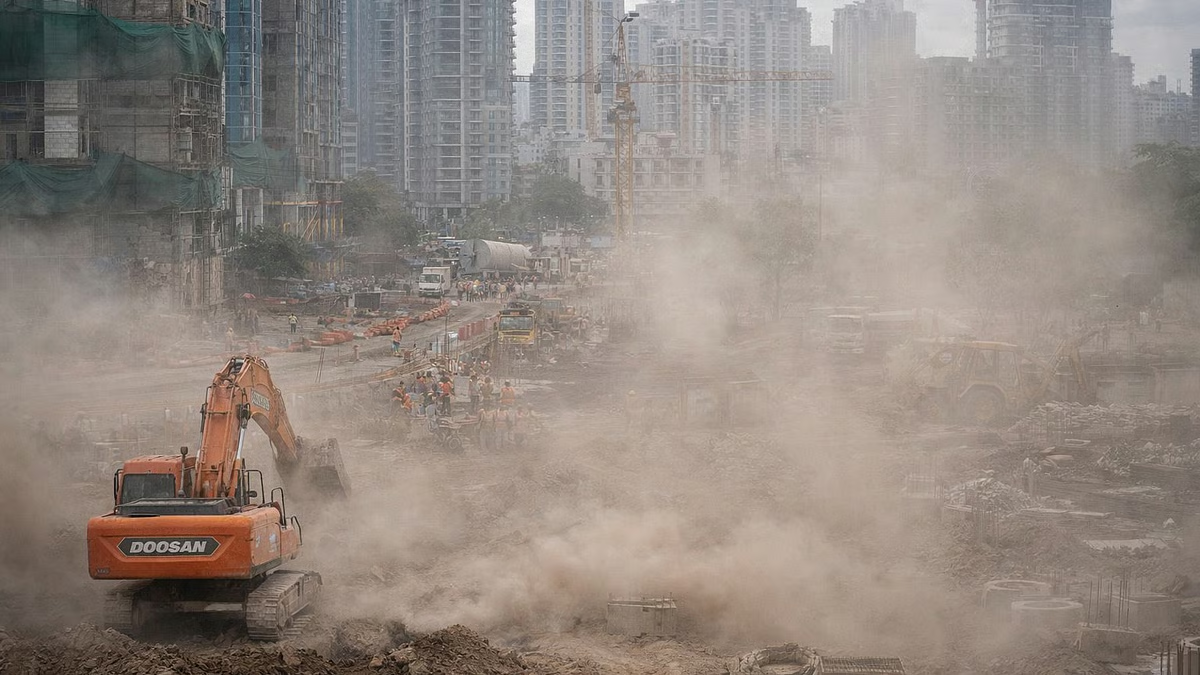
Nagpur’s construction sector is facing a slowdown as a shortage of minor minerals—key raw materials such as sand and stone—disrupts ongoing projects across the city. The situation has been triggered by a halt in quarry operations, creating supply constraints that are now affecting both public and private construction activity. The emerging Nagpur construction slowdown reflects the critical role of raw material supply chains in urban development. Industry stakeholders indicate that the suspension of quarry activity has limited the availability of essential inputs, forcing contractors to delay or scale down work at multiple sites.
Urban infrastructure experts note that construction ecosystems depend on consistent and regulated access to materials. When supply is interrupted, project timelines are extended, costs escalate, and overall productivity declines. The Nagpur construction slowdown is therefore not just a sectoral issue but one that impacts broader urban growth and infrastructure delivery. The effects are being felt across different segments, including residential developments, commercial projects, and public infrastructure works. Delays in construction can have cascading consequences, affecting housing availability, investment flows, and employment within the sector. From an economic perspective, the construction industry is a major contributor to urban employment, particularly for informal and semi-skilled workers. A prolonged Nagpur construction slowdown could affect livelihoods, especially for workers dependent on daily wages. The situation also raises questions about regulatory frameworks governing mining and quarrying activities. Experts suggest that balancing environmental safeguards with consistent supply is a key challenge. Disruptions often arise from compliance issues, licensing delays, or disputes within the sector, highlighting the need for transparent and efficient governance mechanisms. Environmental considerations are central to the issue. Extraction of minor minerals must be managed sustainably to prevent ecological damage, including riverbed degradation and loss of natural habitats. However, abrupt halts without alternative supply arrangements can disrupt urban development processes. The Nagpur construction slowdown also underscores the importance of diversifying material sources and adopting alternative construction technologies. Use of recycled materials, manufactured sand, and more efficient building practices can reduce dependence on traditional quarry outputs. From a planning perspective, ensuring steady supply chains is essential for maintaining the pace of urbanisation. Cities experiencing rapid growth require predictable access to materials to support infrastructure expansion and housing development.
Looking ahead, resolution of the current disruption will depend on negotiations between stakeholders, regulatory clarity, and restoration of quarry operations. Authorities are expected to address the concerns of operators while ensuring compliance with environmental and legal standards. As Nagpur continues to develop, building resilient and sustainable supply chains for construction materials will be critical to supporting long-term urban growth and infrastructure delivery.
ALSO READ – Nagpur Fertiliser Demand Surge Signals Panic Buying Trend
Nagpur Construction Slowdown Deepens Amid Mineral Shortag
