


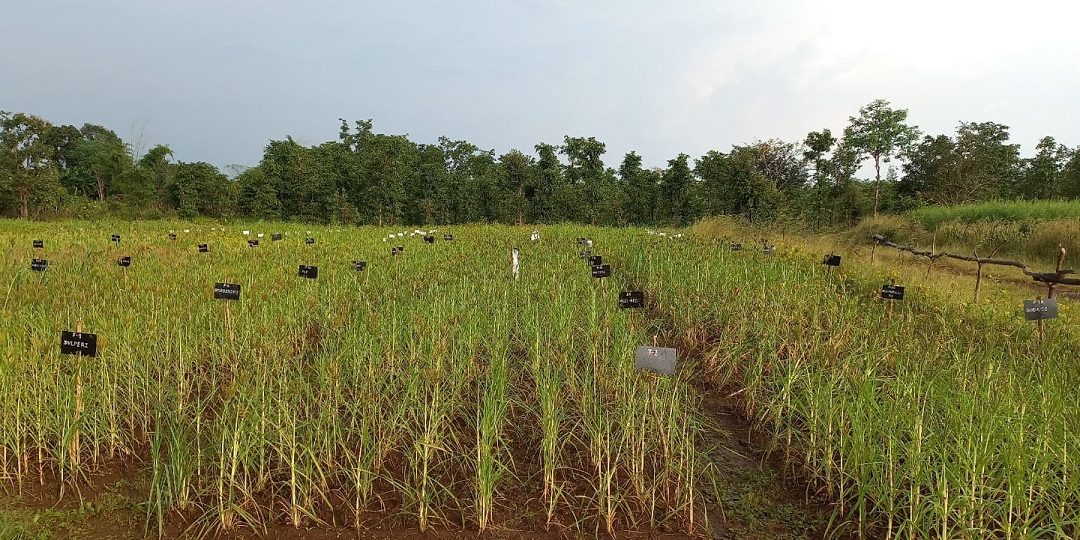
A sharp rise in fertiliser sales across Nagpur has raised concerns among policymakers, with officials attributing the spike to precautionary buying rather than a genuine increase in agricultural demand. The development highlights how perception-driven behaviour can disrupt supply chains and create artificial shortages in critical sectors. The recent Maharashtra fertiliser demand surge has been observed across multiple districts, with retailers reporting unusually high off-take within a short period. Authorities indicate that supply levels remain stable, but accelerated purchases have begun to strain distribution channels, prompting warnings against hoarding.
Agricultural economists note that fertiliser demand is typically aligned with cropping cycles and seasonal patterns. A sudden Maharashtra fertiliser demand surge outside these parameters often signals stockpiling behaviour, driven by fears of future shortages or price increases. Such trends can distort market dynamics, making it difficult to ensure equitable access for farmers. The issue reflects broader challenges in supply chain management. Fertilisers, like other essential commodities, rely on coordinated production, transport, and distribution systems. When demand spikes unexpectedly, even well-functioning supply networks can face temporary imbalances. Experts suggest that clear communication and real-time monitoring are essential to prevent such disruptions from escalating. There are implications for rural economies as well. Uneven distribution caused by hoarding can disadvantage smaller farmers who depend on timely access to inputs. Ensuring that supplies reach intended users is critical for maintaining agricultural productivity and income stability. The Maharashtra fertiliser demand surge also intersects with concerns around resource efficiency. Excessive or premature use of fertilisers can have environmental consequences, including soil degradation and water pollution. Experts emphasise that balanced and need-based application is essential for sustainable agriculture. From a governance perspective, authorities are focusing on monitoring sales patterns and discouraging bulk purchases that exceed normal requirements. Enforcement measures, combined with awareness campaigns, are expected to play a role in stabilising demand. The situation also highlights the influence of global and domestic uncertainties on local markets. Supply disruptions in energy and raw materials, as well as price volatility, can shape expectations and drive precautionary behaviour among consumers and businesses. There are parallels with urban consumption patterns, where similar panic-driven demand has been observed in sectors such as fuel and essential goods. Experts suggest that improving transparency in supply chains and providing timely information can help reduce uncertainty and prevent overreaction.
Looking ahead, stabilising the Maharashtra fertiliser demand surge will depend on restoring normal purchasing behaviour and ensuring consistent supply across regions. Authorities are expected to continue monitoring the situation closely to prevent shortages during critical agricultural periods. As the state prepares for upcoming farming cycles, maintaining balanced distribution and responsible consumption will be key to supporting both agricultural productivity and long-term sustainability.
ALSO READ – Nagpur Power Disconnections Highlight Urban Utility Stress
Nagpur Fertiliser Demand Surge Signals Panic Buying Trend
