



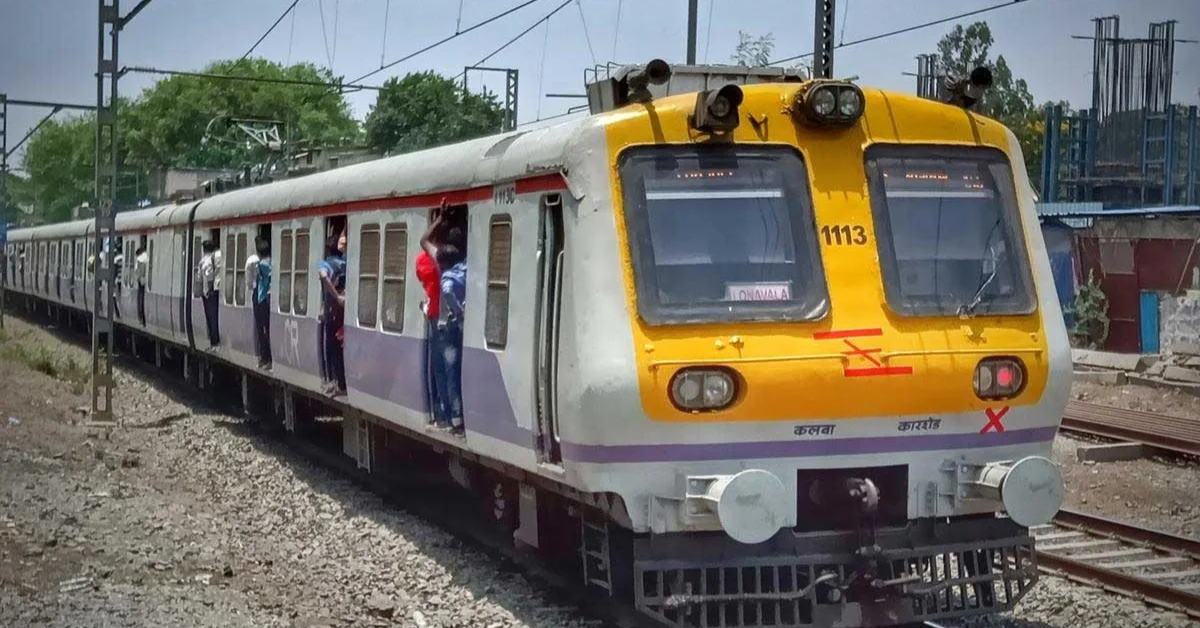
A key railway corridor linking Indore with Dahod has entered a crucial testing phase, marking progress in a project expected to enhance regional connectivity and industrial logistics across parts of Madhya Pradesh and Gujarat. The development is seen as a step towards improving both passenger mobility and freight efficiency in a strategically important belt. The ongoing trials on the Indore Dahod rail line are focused on assessing track performance, operational safety, and speed capabilities. Officials associated with the project indicate that successful testing will pave the way for phased commissioning, enabling smoother movement of goods and people across the corridor.
Urban and regional planners highlight that the Indore Dahod rail line has significant economic implications. The route connects industrial zones, including manufacturing hubs around Pithampur, with western markets and ports. Improved rail connectivity is expected to reduce transit time and logistics costs, benefiting industries that rely on efficient supply chains. The project also reflects a broader shift towards strengthening rail-based transport networks. Rail corridors are increasingly being prioritised for their ability to handle bulk cargo with lower environmental impact compared to road transport. The Indore Dahod rail line is expected to support this transition by offering a reliable alternative for freight movement. From a regional development perspective, enhanced connectivity can unlock growth opportunities in smaller towns along the route. Improved access to markets, services, and employment centres can contribute to more balanced economic development, reducing disparities between urban and rural areas. The Indore Dahod rail line also has implications for urban mobility. By improving intercity travel options, the corridor can reduce dependence on road transport, easing congestion and lowering emissions. Experts suggest that integrating rail services with local transport systems will be key to maximising these benefits. Infrastructure experts emphasise the importance of timely execution and coordination across agencies. Large-scale rail projects often face challenges related to land acquisition, funding, and technical integration. Ensuring that these aspects are managed effectively will be critical to the project’s success. There are sustainability considerations as well. Rail transport typically offers a lower carbon footprint, making it an important component of climate-resilient infrastructure. Incorporating energy-efficient operations and modern signalling systems can further enhance the corridor’s environmental performance.
Looking ahead, the completion of trials on the Indore Dahod rail line will be a key milestone in bringing the project closer to operational readiness. Stakeholders expect that once fully functional, the corridor will play a vital role in strengthening regional trade networks and supporting industrial growth. As Indore continues to expand as an economic hub, investments in connectivity such as this rail line will be central to enabling efficient movement, reducing costs, and building a more integrated and sustainable transport ecosystem.
ALSO READ – Indore Water Supply Project Aims To Boost City Resilience
Indore Dahod Rail Line Trial Boosts Regional Connectivity
