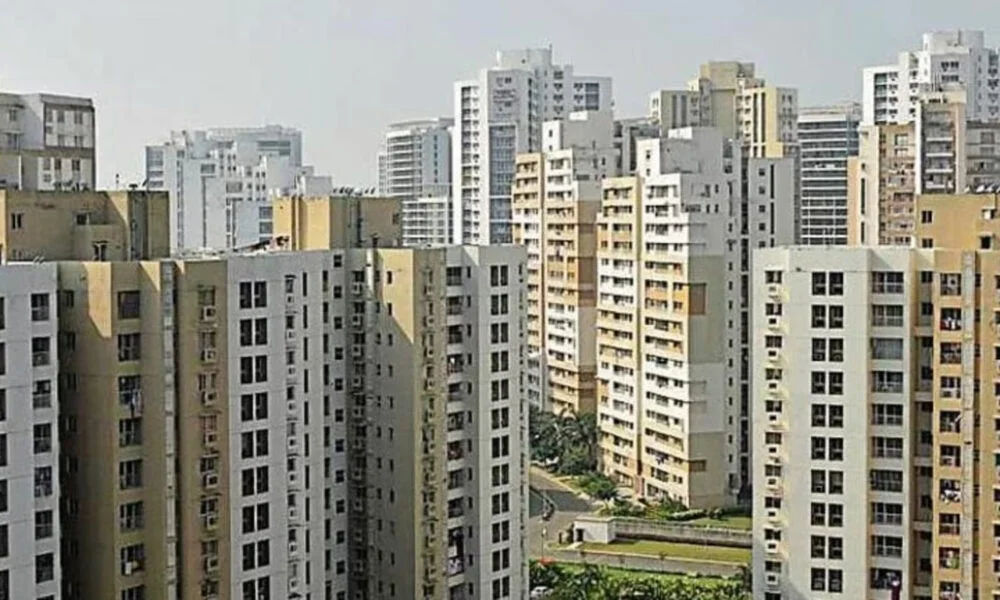
India’s flagship affordable housing mission is making measurable progress in Jammu and Kashmir, with thousands of homes delivered as part of a broader national effort to close housing gaps and improve living standards. The latest data from the Union Territory underscores how centrally driven housing programmes are shaping regional development while advancing the goals of inclusive urbanisation.
Under the India Housing for All initiative, more than 39,000 homes have been sanctioned in Jammu and Kashmir, with over 31,000 already completed. The scale of delivery highlights a growing administrative focus on accelerating construction in regions where geographical challenges and infrastructure limitations have historically slowed project execution.
The India Housing for All programme, aligned with national urban policy, seeks to provide secure housing to economically weaker sections and low-income households. In Jammu and Kashmir, the distribution of housing approvals indicates a concentration in districts experiencing population growth and increasing urbanisation pressures. This reflects a wider national pattern where housing demand is closely linked to employment corridors and access to essential services.
From an urban development perspective, the expansion of housing stock is only one part of the equation. Experts emphasise that the success of such initiatives depends on the integration of housing with transport networks, water systems, and social infrastructure. Without this alignment, new housing clusters risk becoming isolated or placing additional strain on existing civic systems. In parallel, planning frameworks such as the proposed Srinagar Master Plan 2035 are expected to guide long-term land use and infrastructure development in the region. These frameworks aim to ensure that urban growth is structured, environmentally responsible, and capable of supporting future population needs. However, gaps in land data and mapping continue to present challenges in fully assessing the impact of zoning regulations, particularly in areas with mixed land ownership patterns.
The India Housing for All push also carries economic implications. Construction activity generates employment across multiple sectors, from building materials to local services, contributing to regional economic stability. At the same time, the creation of formal housing stock can enhance financial inclusion by enabling property ownership and access to credit for lower-income households. Sustainability considerations are becoming increasingly central to housing delivery across India. Incorporating energy-efficient designs, climate-responsive construction methods, and resource management systems can improve long-term resilience, particularly in ecologically sensitive regions like Jammu and Kashmir.
As India continues to expand its housing footprint, the focus is gradually shifting from quantity to quality—ensuring that homes are not only built at scale but are also liveable, connected, and resilient. The progress in Jammu and Kashmir reflects both the opportunities and complexities of achieving this balance within the framework of national housing policy.
India Affordable Housing Push Expands In J and K