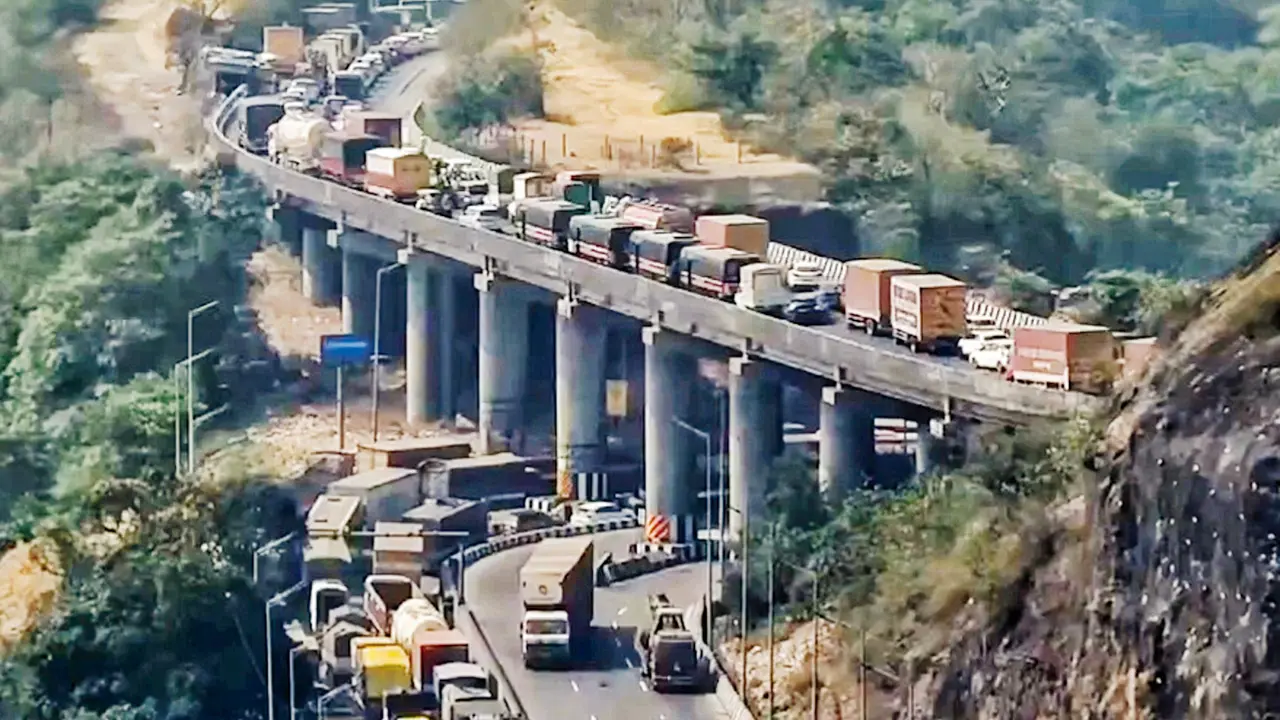
A major road expansion proposal aimed at easing chronic congestion in western Pune has been placed before the civic standing committee, with a decision expected to shape mobility outcomes in one of the city’s fastest-growing corridors. The project focuses on the Chandani Chowk to Bhugaon stretch, a key arterial link that has struggled to keep pace with rapid urbanisation and rising vehicle volumes.
The plan involves a substantial upgrade of the existing carriageway, with sections currently constrained by narrow widths set to be significantly expanded. Civic officials indicate that the investment, spread over multiple years, is designed to address persistent traffic bottlenecks that have affected daily commuting and freight movement along the corridor. The Pune road widening initiative reflects broader pressures on urban infrastructure as peripheral areas witness accelerated residential and commercial development. Chandani Chowk, already a critical junction connecting the Mumbai–Bengaluru highway and local roads, has seen a surge in traffic due to increased housing demand in nearby suburbs. As development extends outward, legacy road networks often struggle to accommodate new mobility patterns.
Urban planners note that while widening projects can offer short-term relief, their long-term effectiveness depends on integrated planning. Without complementary investments in public transport, pedestrian infrastructure, and traffic management systems, expanded road capacity can quickly be absorbed by induced demand—where improved conditions attract more vehicles, eventually restoring congestion levels.
From a real estate perspective, improved road connectivity could enhance accessibility and potentially increase land values along the corridor. However, experts caution that infrastructure upgrades must be aligned with sustainable growth principles to avoid unchecked sprawl. The Pune road widening proposal, if implemented without safeguards, could reinforce car-dependent development patterns, raising concerns around emissions and environmental impact.
There are also social and environmental considerations. Large-scale road expansion often involves land acquisition, potential displacement, and changes to local ecosystems. Ensuring fair compensation, minimising disruption to communities, and preserving green cover will be critical to maintaining public trust and long-term urban resilience. Transport specialists suggest that the project could be strengthened by incorporating multimodal elements, such as dedicated bus lanes, cycling tracks, and improved junction design. Such measures would align with the broader goal of creating people-centric streets rather than vehicle-dominated corridors.
Financially, the phased allocation of funds indicates an attempt to balance immediate infrastructure needs with fiscal prudence. However, timely execution and cost management will be key, given the scale and complexity of urban road projects. As the proposal moves through the approval process, it represents a pivotal moment for how Pune approaches mobility planning in its expanding urban edges. The challenge will be to ensure that infrastructure investments not only address current congestion but also support a more sustainable and inclusive urban future.
Pune Road Widening Project Aims To Ease Congestion