Hyderabad Transport Adjusts For Festival Procession Day
Hyderabad is set to implement comprehensive traffic curbs and diversions across key arterial routes on March 27 as the city prepares for the annual Sri Ramanavami Shobha Yatra, a major cultural procession that traditionally draws large crowds and alters mobility patterns across the urban core. City authorities have announced restrictions on vehicular movement from 9 a.m. to 9 p.m. to ensure orderly conduct of the event while maintaining public safety, signalling a significant temporary shift in urban transport dynamics.
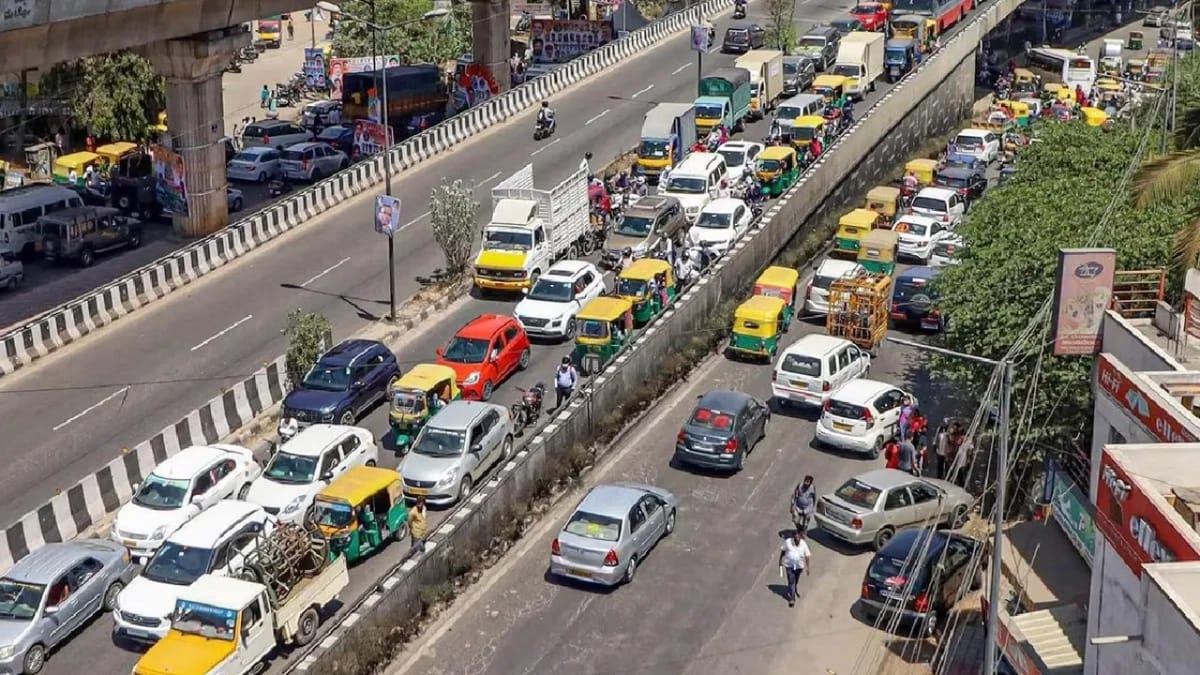
The Shobha Yatra will commence at Seetarambagh and progress through several densely populated precincts including Bhoiguda Kaman, Mangalhat, Begum Bazar and Sultan Bazar, before concluding at its designated terminus. Traffic police have planned phased diversions that will unfold in tandem with the advance of the procession, affecting major junctions and disrupting normal traffic flow across central Hyderabad. Officials warn that congestion is likely to be most acute at transport nodes such as Begum Bazar Chatri, Afzalgunj T‑Junction, MJ Market and Koti, where intersecting roads serve as critical links for commuters and commercial activity. Urban mobility experts note that large religious processions often create ripple effects across adjacent corridors, elevating travel times and complicating last‑mile connectivity for daily commuters in addition to festival participants. Traffic police have urged motorists to plan journeys in advance, avoid the designated route during peak hours, and utilise alternative roadways where feasible. A traffic helpline and real‑time advisories via official social media handles aim to assist residents in navigating diversions and minimising delays.
From an infrastructure perspective, the city’s response reflects a blend of short‑term event management and long‑term transport planning challenges. Hyderabad, like many fast‑growing Indian metropolises, experiences steep demand on its road network during festivals and peak seasons, exposing the limitations of surface transport systems in absorbing sudden surges in pedestrian and vehicular flow. Analysts say this underscores the importance of developing multimodal mobility strategies, including stronger public transit integration and dedicated space for pedestrian movement during large public events. Urban planners observe that such traffic curbs, while necessary for civic festivals, can strain commuter schedules, logistics operations and last‑mile delivery movements — especially in densely populated pockets with mixed commercial and residential use. Businesses along the route, from traditional bazaar zones to office districts, may need to adjust operating hours or coordinate with logistics partners to accommodate altered traffic patterns. The deployment of personnel and technology — including CCTV monitoring and potential aerial surveillance — is aimed at both crowd management and traffic fluidity. Officials have highlighted that phased restoration of normal movement will occur once each section of the procession passes, reflecting a calibrated attempt to balance public celebration with urban mobility needs.
As Hyderabad continues to expand its civic infrastructure under broader development initiatives, including road upgrades and elevated corridors, seamless integration of festival‑related traffic protocols with permanent mobility solutions remains a recurring policy priority. The experience from this year’s Sri Ramanavami yatra may offer insights into how cities can better marry cultural vibrancy with efficient urban transportation planning moving forward.