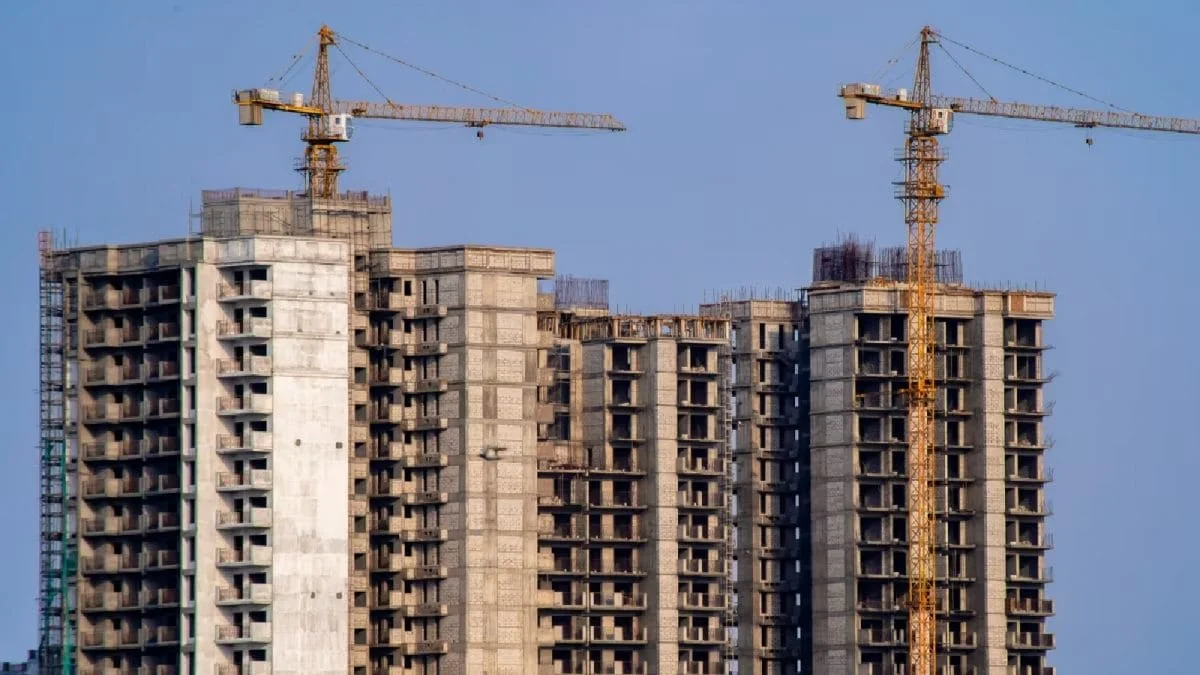
India Construction Costs Rise Amid West Asia Conflict
India’s construction sector is beginning to feel the ripple effects of the escalating West Asia conflict, with developers and industry bodies warning of upward pressure on building costs and potential project delays if geopolitical tensions persist. While domestic demand for housing remains robust, early signs of supply‑chain disruption and rising input prices are reshaping project economics — a trend that could affect urban infrastructure, housing affordability and long‑term real estate delivery timelines.
Supporters of the real estate industry say the conflict has not yet caused direct disruption to overall construction activity, but input costs are showing a clear upward trend. Leaders at the National Real Estate Development Council (NAREDCO) point to a dependence on global energy and logistics networks for key inputs such as PVC, steel, wires and pipes — many of which are petrochemical or energy‑intensive products tied to crude oil prices. The pressure on costs is emerging through shortages and higher prices in segments linked to fuel and petrochemical markets. Companies in the electrical and plumbing materials space, for example, have seen PVC pipe prices jump on elevated crude costs, while steel and cement costs are also rising due to increased freight charges and longer delivery times. Developers say they are currently absorbing cost increases where possible, but prolonged volatility could start showing up in construction budgets and project pricing. This strain comes at a moment when labour and operational costs were already trending upwards; industry consultancies were forecasting a 3–5 per cent rise in construction costs in 2026 due to higher labour rates and input pricing before geopolitical disruptions intensified. Together with supply chain kinks, this creates a more complex cost landscape for builders and investors.
Supply challenges are also materialising in specific clusters. The tiles and ceramics hub in Morbi, Gujarat has reported disruptions tied to gas shortages, affecting production and prompting some developers to accelerate purchasing of available inventory. Meanwhile, reports from cities such as Chennai show rising prices for crude‑linked construction materials — including plastics, insulation and pipes — as well as volatile steel markets, adding to project cost uncertainties. Urban planners and policy analysts argue that these cost pressures matter not just for developers but for the broader urban growth ecosystem. Construction accounts for a significant share of project budgets in residential and infrastructure sectors — often upwards of 40 per cent — and cost inflation can squeeze margins, delay deliveries, or shift pricing choices onto homebuyers. For middle‑income housing segments, even modest cost increases can translate into tens of thousands of rupees added to unit prices in dense urban markets. The conflict’s impact also underscores supply‑chain vulnerability: India depends on West Asia for certain raw materials used in construction and cement production, and sustained disruption could push prices of key materials higher while complicating logistics.
Looking ahead, industry leaders are focusing on short‑term inventory planning and alternative sourcing strategies, while calling for policy support to manage volatility in fuel and material markets. How effectively the sector navigates these challenges will influence project timelines and housing costs at a time when sustainable, climate‑resilient urban growth remains a priority.