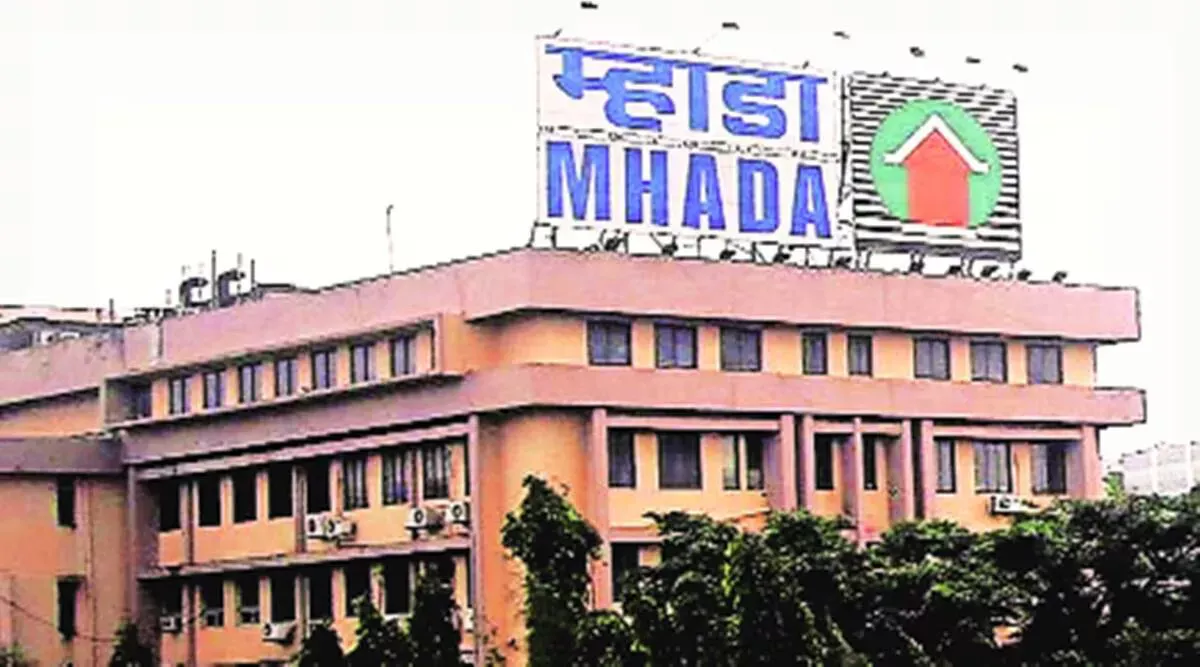
Mumbai is set to see a fresh round of state-backed housing allocation as the Maharashtra Housing and Area Development Authority prepares to roll out a new lottery offering thousands of homes across income segments. The upcoming draw is expected to address persistent demand for regulated and relatively affordable housing in one of India’s most expensive real estate markets.
The planned MHADA housing lottery Mumbai initiative will include units distributed across multiple locations in the city, catering to economically weaker sections as well as middle- and higher-income groups. Officials indicate that the draw will be conducted through a digital system designed to ensure transparency and equitable access to applicants across categories. For Mumbai’s housing ecosystem, the return of the MHADA housing lottery Mumbai carries both economic and social significance. With property prices in the private market continuing to remain out of reach for many households, state-supported housing remains one of the few structured pathways to home ownership for lower- and middle-income families. The lottery system, which allocates homes through a randomised selection process, is intended to reduce speculative practices and improve fairness in distribution.
Urban housing experts note that such schemes play a crucial role in stabilising demand across segments by introducing supply that is not directly driven by market pricing. In cities like Mumbai, where land scarcity and regulatory constraints limit large-scale affordable housing development, public sector interventions help bridge critical gaps. The housing units under the scheme are expected to be classified across income brackets based on eligibility criteria linked to annual household earnings. This segmentation allows for targeted allocation, ensuring that benefits reach intended groups while maintaining a balanced mix of housing typologies across the city.
However, analysts also point to challenges that persist beyond allocation. Location, connectivity, and access to infrastructure remain key determinants of long-term value for beneficiaries. In previous housing rounds, demand has varied significantly depending on proximity to employment hubs and availability of public transport, underlining the need for integrated planning. From a sustainability perspective, future iterations of such housing programmes are increasingly expected to incorporate energy-efficient design, water management systems, and climate-resilient construction practices. As Mumbai continues to face environmental pressures, embedding these elements into affordable housing could enhance both livability and long-term cost efficiency for residents.
The absence of a major housing draw in the previous year had created pent-up demand among applicants, making the upcoming lottery particularly significant. Market observers suggest that response levels could be strong, especially given the widening gap between incomes and property prices in the metropolitan region. As the authority moves towards announcing the scheme, attention will be on pricing, location mix, and application timelines. For thousands of prospective homeowners, the initiative represents not just an opportunity for ownership but also a test of how effectively public housing policy can respond to the evolving needs of urban India.
MHADA Plans Housing Lottery For 2500 Homes In Mumbai By March 31