


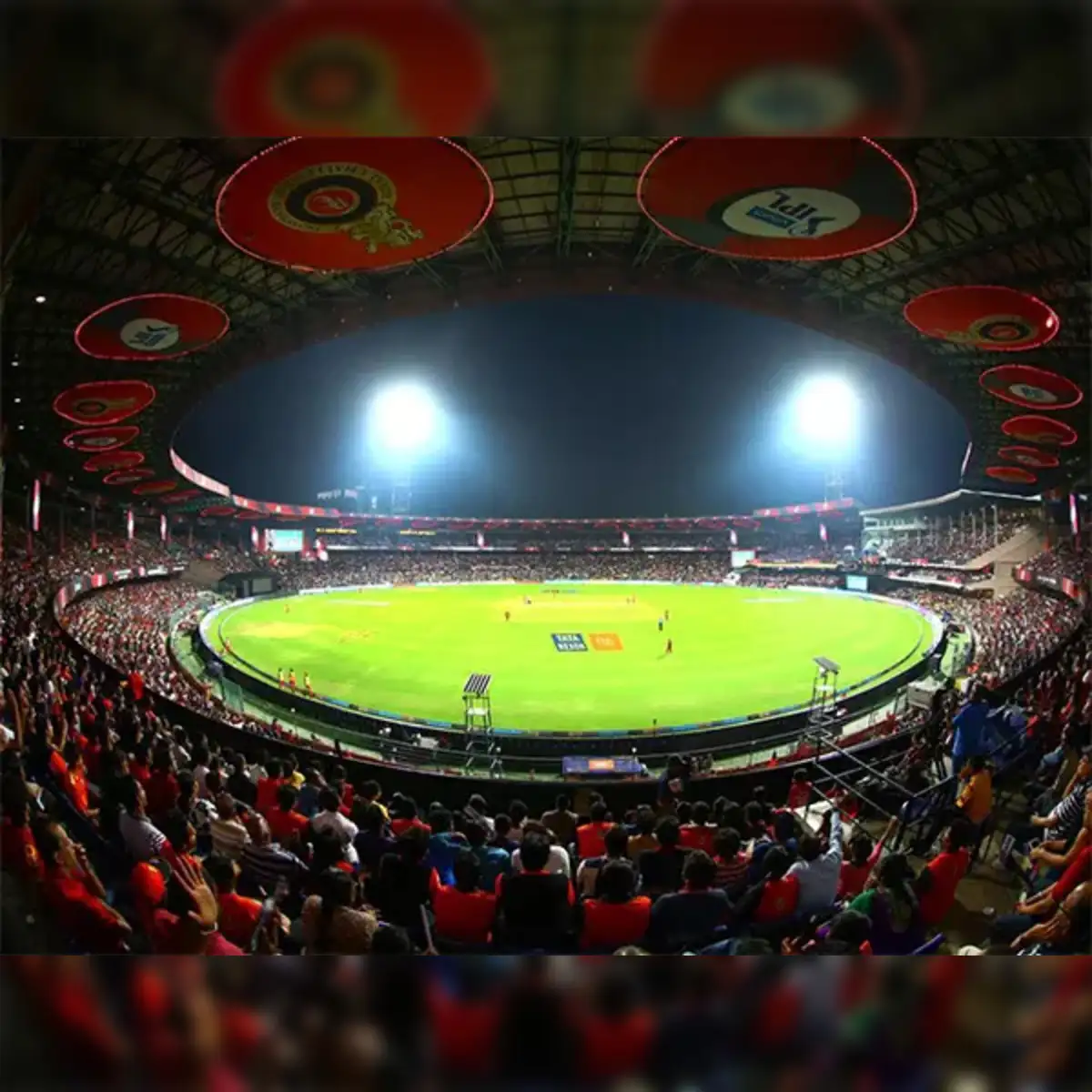
The return of a packed international cricket calendar to Bengaluru for the 2026–27 season is expected to reinforce the city’s position as a major sports and economic hub, with implications extending beyond stadiums to urban infrastructure, mobility systems, and local commerce.
According to the newly announced cricket schedule, Bengaluru will host multiple high-profile international fixtures, marking a significant increase in sporting activity after a relatively lighter calendar in recent years. The development is being seen as a boost not just for sports enthusiasts, but for the city’s broader urban economy.Urban planners and industry observers highlight that large-scale sporting events generate ripple effects across hospitality, transport, and retail sectors.Increased footfall around match days typically translates into higher demand for hotels, short-term rentals, food services, and local transit systems. In a city like Bengaluru, where infrastructure is already under pressure, such spikes test the resilience and adaptability of urban systems.A senior official associated with sports infrastructure planning noted that recurring international fixtures require sustained investment in stadium upkeep, crowd management systems, and last-mile connectivity. This includes better public transport integration, traffic management, and pedestrian-friendly access around venues—factors that align with long-term goals of building more inclusive and people-centric cities.The Bengaluru cricket schedule also underscores the growing role of sports-led urban development. Globally, cities are increasingly leveraging sporting events to enhance their international profile, attract investment, and stimulate economic activity.In
Bengaluru’s case, the presence of a strong technology ecosystem adds another dimension, with opportunities emerging around digital ticketing, fan engagement platforms, and smart venue management.
However, experts caution that such growth must be balanced with sustainability considerations. High-attendance events can lead to increased carbon emissions, waste generation, and pressure on local resources.Integrating green practices—such as renewable energy use at venues, efficient waste management, and promotion of public transport—will be critical in ensuring that the benefits of the cricket schedule do not come at an environmental cost.From a real estate perspective, consistent sporting activity tends to enhance the attractiveness of neighbourhoods surrounding major venues.Improved infrastructure, better connectivity, and increased commercial activity often lead to rising property values and new development opportunities. This trend is already visible in parts of Bengaluru, where proximity to key infrastructure assets influences investment decisions.The announcement also reflects the broader evolution of Indian cities into multi-functional urban centres where sports, business, and lifestyle intersect. As Bengaluru prepares to host a busy cricket season, the focus will be on ensuring that infrastructure keeps pace with demand while maintaining efficiency and sustainability.
Looking ahead, the success of the upcoming fixtures will depend on coordinated efforts between civic authorities, transport agencies, and event organisers. If managed effectively, the cricket schedule could serve as a model for how cities can leverage sports to drive economic growth while advancing more resilient and inclusive urban systems.
Also Read:Bengaluru Travel Retail Conference Signals Urban Growth Shift
