


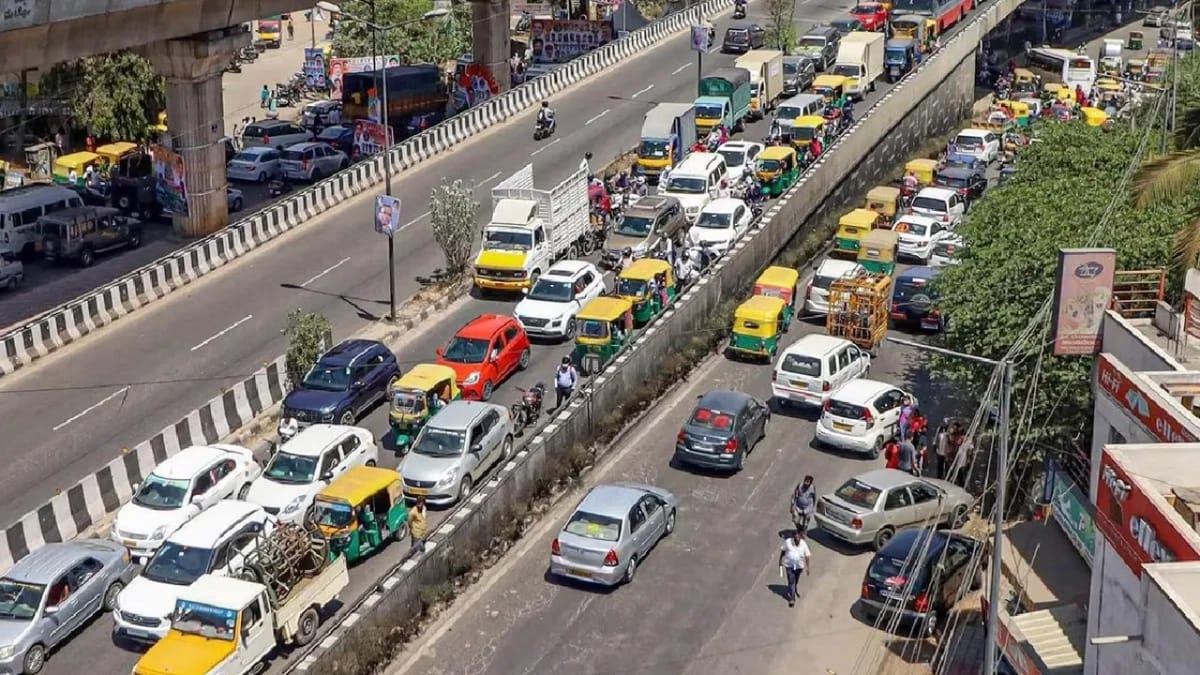
A key traffic corridor in Bengaluru is set to face short-term disruption as the Marathahalli bridge will remain closed for three days to facilitate ongoing metro construction.
The closure, tied to elevated transit infrastructure work, reflects the complex trade-offs cities face while expanding mass transit systems in already congested urban zones.The Bengaluru Marathahalli bridge closure is expected to significantly affect daily commuters, particularly in the city’s eastern IT corridor where traffic volumes are among the highest. Authorities have outlined diversion routes to manage vehicular movement, but urban mobility experts anticipate delays and congestion during peak hours as traffic is redistributed across adjoining roads.The disruption underscores the scale and intensity of infrastructure transformation underway in Bengaluru. Metro expansion projects are critical to reducing long-term dependence on private vehicles and lowering emissions.However, the construction phase often places immediate pressure on existing road networks, revealing the limitations of current urban planning frameworks.Officials involved in traffic management have indicated that coordinated diversion plans and on-ground monitoring will be implemented to minimise disruption. Still, the effectiveness of such measures depends heavily on commuter compliance, real-time adjustments, and the availability of alternative transport options.
From an urban development perspective, the Bengaluru Marathahalli bridge closure highlights a broader structural issue—how to build large-scale public infrastructure within densely built environments without significantly disrupting daily life. Experts suggest that integrating phased construction strategies, improved public communication, and multimodal transport alternatives can help mitigate these impacts.The project itself is part of a wider push to strengthen Bengaluru’s public transport network, which is increasingly seen as essential for sustainable urban growth. Metro systems offer a lower-carbon alternative to road-based transport, but their construction requires temporary sacrifices in accessibility and convenience.Businesses operating in the affected corridor may also experience short-term economic impacts, particularly those dependent on footfall and easy road access. For workers in the IT and service sectors, longer commute times could affect productivity and daily routines, reinforcing the importance of resilient and flexible mobility systems.Urban planners emphasise that such disruptions should be viewed in the context of long-term gains. Once operational, expanded metro connectivity is expected to ease congestion, improve air quality, and support transit-oriented development. However, the transition period must be managed carefully to avoid disproportionate strain on certain neighbourhoods.
The Bengaluru Marathahalli bridge closure serves as a reminder that infrastructure growth is not just about construction, but about managing urban life during change. As cities invest in sustainable mobility, the challenge will be to balance immediate disruptions with future benefits, ensuring that development remains people-centric and inclusive.
Also Read:Bengaluru Power Shutdown Highlights Urban Infrastructure Challenges
