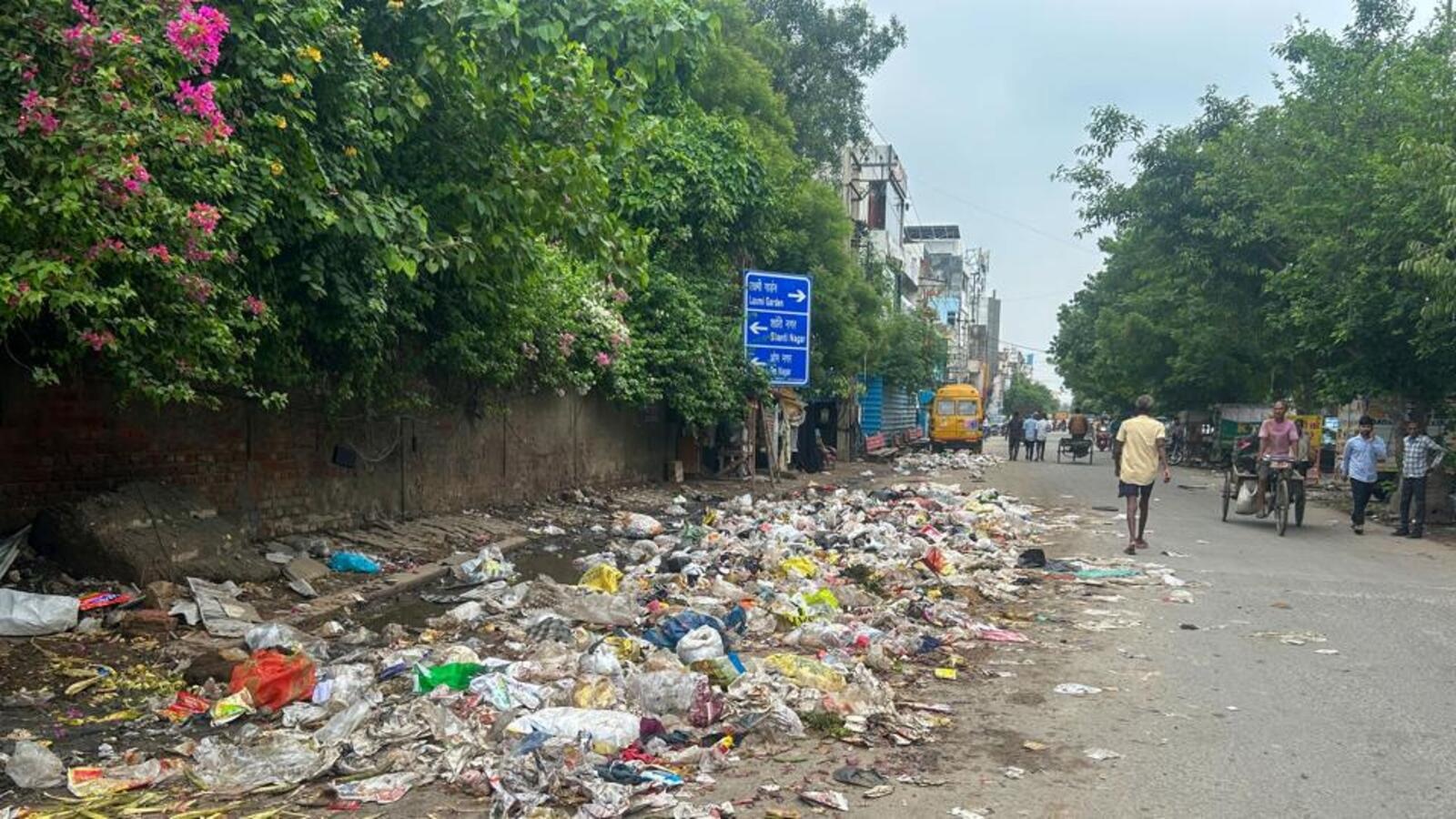
Daily, on-ground inspections are set to become central to sanitation governance in Gurugram, as the municipal administration moves to tighten monitoring mechanisms and improve execution across the city’s waste management system. The push for Gurugram sanitation monitoring reflects a shift towards accountability-driven urban management in a rapidly expanding metropolitan region. Senior officials have been directed to conduct routine field visits to assess cleanliness levels, identify operational gaps, and ensure swift resolution of issues. The move is aimed at strengthening oversight beyond office-based reviews, with a focus on real-time verification of sanitation work across residential, commercial, and high-traffic corridors.
Urban governance experts note that Gurugram sanitation monitoring through daily inspections could significantly improve service delivery if supported by structured reporting systems and data-backed decision-making. Frequent field engagement allows authorities to track contractor performance, identify recurring problem areas, and intervene before issues escalate into public health or environmental concerns. A major area of focus is the upkeep of arterial roads and public spaces, where dust accumulation and waste dumping have remained persistent challenges. Officials indicate that maintaining cleaner primary corridors is critical not only for public health but also for economic activity, as Gurugram continues to position itself as a key business and real estate hub within the National Capital Region. Enforcement has emerged as another key pillar of the city’s sanitation strategy. Over the past year, thousands of violations linked to improper waste disposal, unauthorised dumping, and environmentally harmful practices have been penalised. These include cases related to construction waste mismanagement, illegal discharge of waste materials, and non-compliance by bulk waste generators. Financial penalties running into crores highlight both the scale of violations and the administration’s increasing reliance on deterrence.
However, experts caution that enforcement alone cannot deliver sustained improvements. Behavioural change among residents, institutions, and businesses remains critical. Without consistent waste segregation at source and adherence to disposal norms, municipal systems face added pressure, often leading to inefficiencies and higher operational costs. From a sustainability perspective, improved sanitation monitoring is closely linked to climate resilience. Poor waste management can block drainage networks, intensify urban flooding during monsoon seasons, and contribute to greenhouse gas emissions from unmanaged waste. Strengthening monitoring frameworks can therefore play a role in reducing environmental risks while improving overall liveability. The emphasis on daily inspections also aligns with broader efforts to modernise urban governance through decentralised accountability. By placing responsibility at zonal levels and ensuring continuous supervision, the city aims to create a more responsive and transparent sanitation system.
As Gurugram scales up this approach, the long-term impact will depend on how effectively monitoring translates into systemic improvements balancing enforcement with community participation to build a cleaner, more resilient urban environment.