Gurugram Sanitation Drive Pushes Cleaner Public Spaces
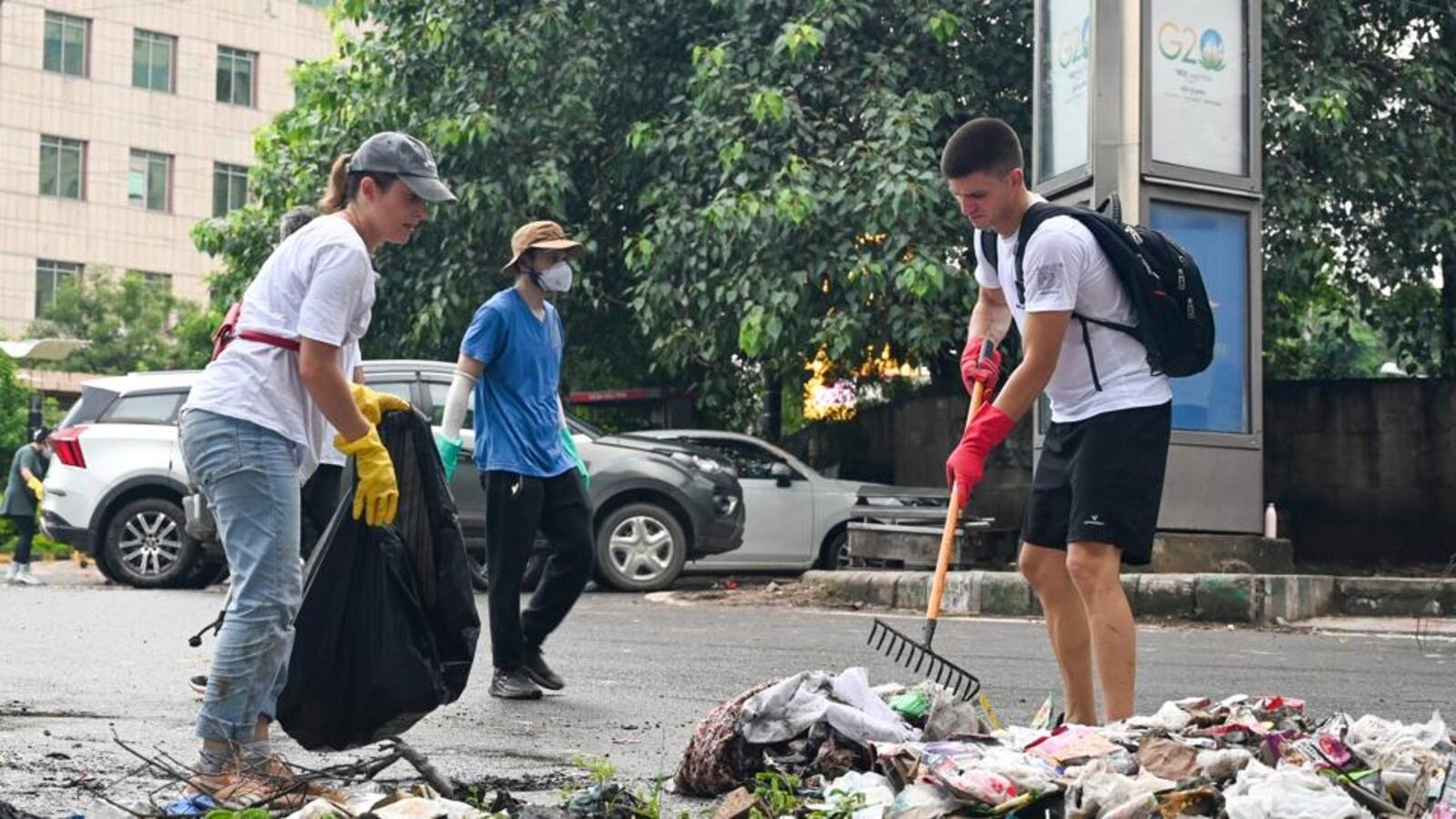
A month-long sanitation drive is set to be rolled out across Gurugram from April 1, as the municipal administration moves to tighten waste management systems, address persistent garbage accumulation points, and improve overall urban hygiene. The initiative signals a renewed focus on operational efficiency and citizen participation in one of India’s fastest-growing urban centers. Planned as a citywide campaign, the effort will target areas identified as garbage vulnerable points—locations where waste tends to accumulate due to gaps in collection, infrastructure, or behavioural patterns. Civic officials indicate that both mechanised and manual sweeping will be intensified, particularly along arterial roads, commercial hubs, and high-footfall public spaces. The programme also includes structured handling of horticulture waste, which often remains outside the formal waste stream.
Senior administrators have been assigned zone-wise responsibilities to ensure accountability and real-time monitoring. Weekly performance tracking, supported by visual documentation of cleaned sites, is expected to create a measurable framework for evaluating progress. Urban planners note that such decentralized oversight can improve responsiveness but must be supported by sustained operational funding and workforce capacity. Beyond routine cleaning, the sanitation drive reflects a broader shift in how cities like Gurugram are approaching urban management. Rapid population growth, expanding real estate development, and rising consumption patterns have significantly increased waste generation, often outpacing existing infrastructure. Experts suggest that periodic drives can deliver short-term improvements but must be integrated with long-term strategies such as waste segregation, decentralized processing, and circular economy models. A key component of the campaign is stakeholder engagement. Resident welfare associations, market bodies, and civil society groups are being encouraged to participate actively, signalling a move towards shared responsibility in maintaining urban cleanliness.
Industry observers point out that behavioural change—particularly around waste disposal and segregation—remains critical to sustaining the outcomes of such drives. The initiative also carries implications for climate resilience and public health. Poorly managed waste contributes to urban flooding by clogging drains, while open dumping can increase emissions and contaminate soil and water systems. By addressing these issues at the source, cities can reduce environmental risks while improving liveability. However, challenges remain. Experts caution that enforcement mechanisms, workforce training, and consistent monitoring will determine whether the campaign achieves lasting impact. Without systemic reforms in waste processing and disposal infrastructure, gains made during the drive could prove temporary.
As Gurugram prepares to implement this intensive sanitation drive, the focus will be on translating short-term action into sustained urban improvement—balancing infrastructure upgrades with citizen participation to build a cleaner, more resilient city ecosystem.