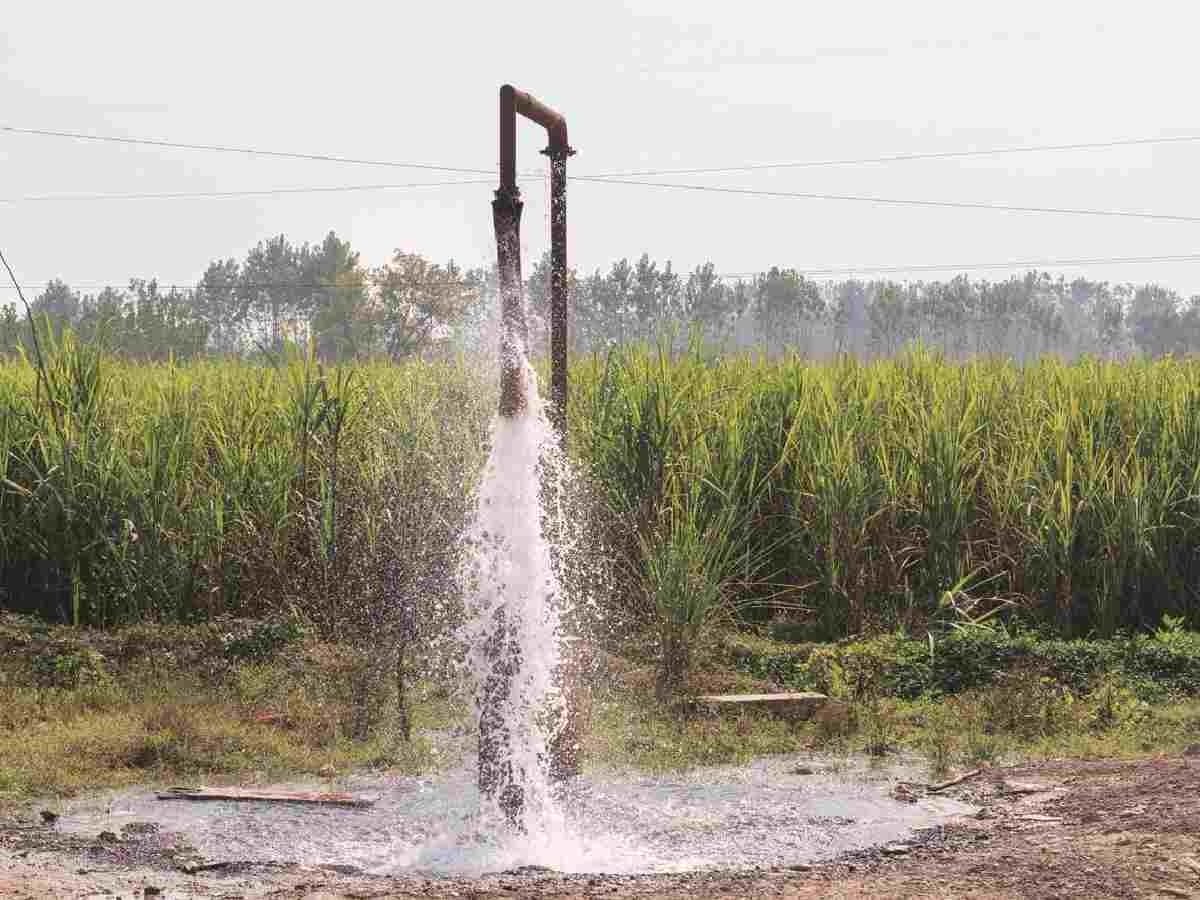
Delhi Treated Water Strategy Reduces Groundwater Use
Delhi’s urban planning authorities are moving towards a large-scale shift in water management by preparing a city-wide strategy to irrigate parks and green spaces using treated wastewater. The initiative is aimed at reducing dependence on groundwater while creating a more sustainable system for maintaining public landscapes across the capital. The plan will begin with the appointment of a consultant to design an integrated framework for supplying treated water to hundreds of parks and green belts. The scope includes assessing current water demand, mapping available treated wastewater, and developing a distribution network that connects sewage treatment plants with green spaces across the city.
Officials indicate that the Delhi treated water plan will involve a detailed study of infrastructure requirements, including pipelines, pumping systems, and treatment linkages. The consultant will also evaluate how existing sewage flows can be captured and processed efficiently for reuse. This marks a transition from fragmented irrigation practices to a more structured and resource-efficient system. Urban planners view the Delhi treated water plan as a critical step in addressing water stress in the capital. With a large share of irrigation currently dependent on groundwater extraction, the shift to recycled water could significantly reduce pressure on aquifers. Experts note that such measures are increasingly necessary as cities face declining groundwater levels and rising demand due to population growth. The scale of the project is substantial, given the number of parks and landscaped areas under public management. Ensuring a consistent and reliable supply of treated water across dispersed locations will require careful network design and phased implementation. Authorities expect the planning phase to take several months, followed by a longer execution period involving construction and system integration.
From an environmental perspective, the initiative aligns with broader goals of circular resource use. Reusing treated wastewater not only conserves freshwater but also reduces the volume of effluent discharged into rivers and drains. This dual benefit positions the Delhi treated water plan as part of a larger effort to improve urban water cycles and reduce ecological strain. However, implementation challenges remain. Maintaining water quality standards, preventing leakages, and ensuring efficient irrigation practices at the park level will be critical to the project’s success. Experts emphasize the need for continuous monitoring and operational oversight to ensure that treated water is used safely and effectively. The initiative also has economic implications, as it is expected to require significant investment in infrastructure development. While detailed cost estimates will emerge after the planning phase, analysts suggest that long-term savings from reduced groundwater use and improved water efficiency could offset initial expenditure.
As Delhi continues to grapple with water scarcity and environmental pressures, the Delhi treated water plan reflects a growing emphasis on sustainable urban infrastructure. Its success will depend on execution, coordination between agencies, and the ability to integrate new systems with existing networks to create a resilient and resource-efficient urban landscape.