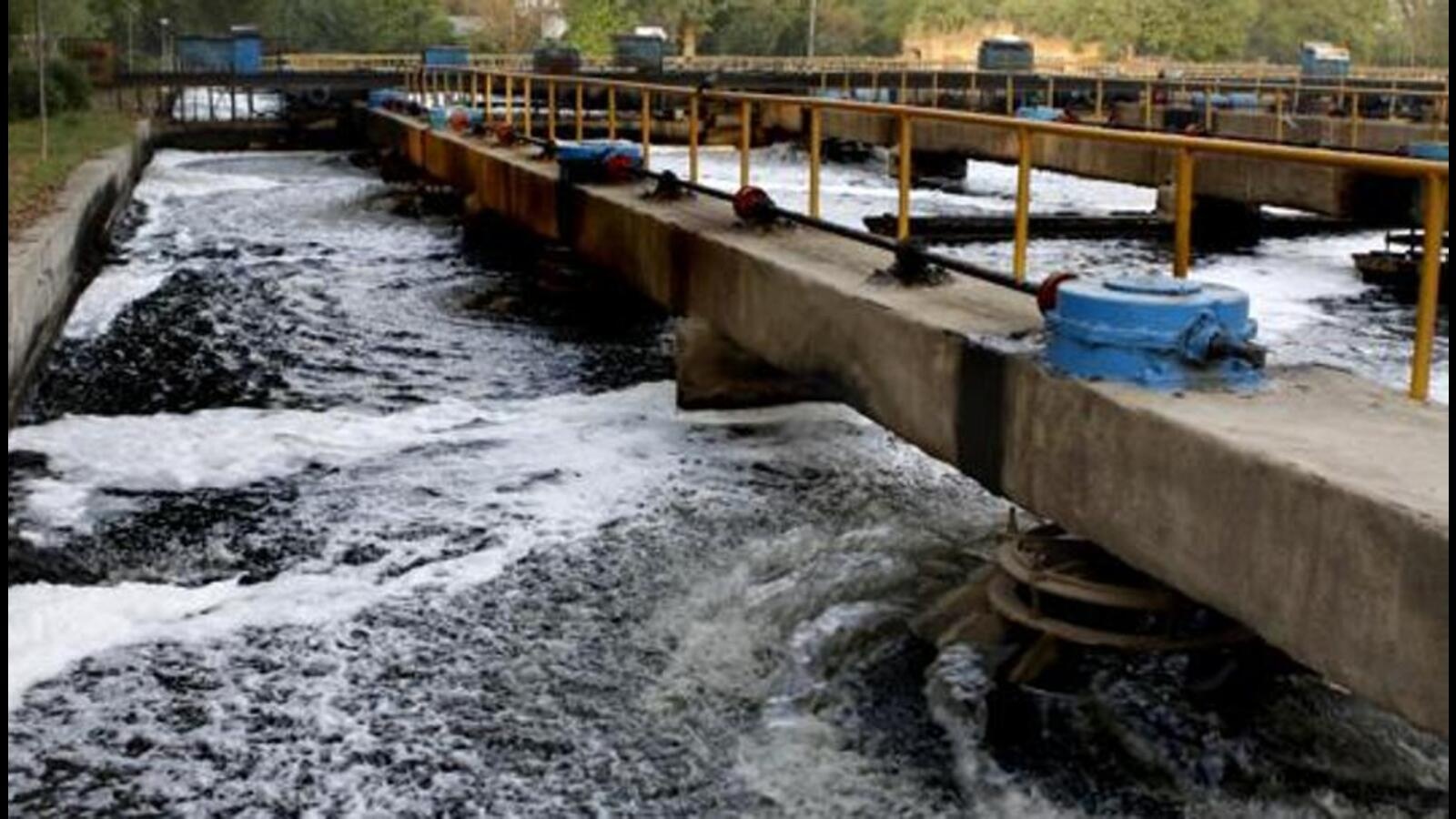
Delhi’s central municipal authority has initiated a new phase of wastewater management reform, inviting private participation to build a network of decentralised treatment facilities aimed at reducing dependence on freshwater. The move signals a shift towards localised infrastructure designed to recycle water closer to the point of use, a strategy increasingly adopted in water-stressed urban regions. The proposed Delhi decentralized STPs programme involves setting up eight small-scale treatment plants across key public locations. These facilities, with relatively modest capacities, are intended to process wastewater for reuse in landscaping, horticulture, and non-potable applications. By treating sewage locally, authorities aim to reduce pressure on centralized systems and limit the volume of untreated discharge entering the city’s drainage network.
Urban infrastructure experts view the initiative as part of a broader transition towards circular water management. Instead of relying solely on large treatment plants located at the city’s periphery, decentralized systems enable more efficient recycling and distribution of treated water. This approach can also lower energy use associated with pumping and transporting wastewater over long distances. The project is being structured under a public-private partnership model, with bidders required to design, finance, and operate the facilities. Unlike conventional procurement models, financial viability will be determined by competitive proposals based on the cost of treated water. Analysts note that this market-linked approach could encourage innovation in treatment technologies and operational efficiency, though it also places greater responsibility on private operators to ensure long-term sustainability. Locations identified for the Delhi decentralized STPs include prominent public and institutional zones, where consistent demand for non-potable water exists. Experts highlight that such siting decisions are critical to ensuring the viability of decentralized systems, as proximity to end-users reduces distribution challenges and improves cost recovery.
The initiative also aligns with growing concerns over water scarcity and climate variability in the capital. With groundwater depletion and rising demand placing stress on conventional water sources, reuse of treated wastewater is emerging as a key component of urban water security. Decentralized systems can complement larger infrastructure by creating multiple nodes of resilience within the city. However, implementation challenges remain. Ensuring consistent quality of treated water, maintaining facilities, and integrating them with existing sewer networks will require careful planning. Regulatory oversight and performance monitoring will be essential to ensure that environmental standards are met and public health risks are minimized. From a planning perspective, the Delhi decentralized STPs model represents a move towards more distributed and adaptive infrastructure. As cities grapple with resource constraints and environmental pressures, such systems offer a pathway to balance growth with sustainability.
The outcome of the bidding process will determine how quickly the project moves forward. If executed effectively, the initiative could provide a scalable framework for decentralized water management, contributing to both ecological conservation and more efficient urban resource use.