Delhi Sewage Underestimation Impacts River Restoration
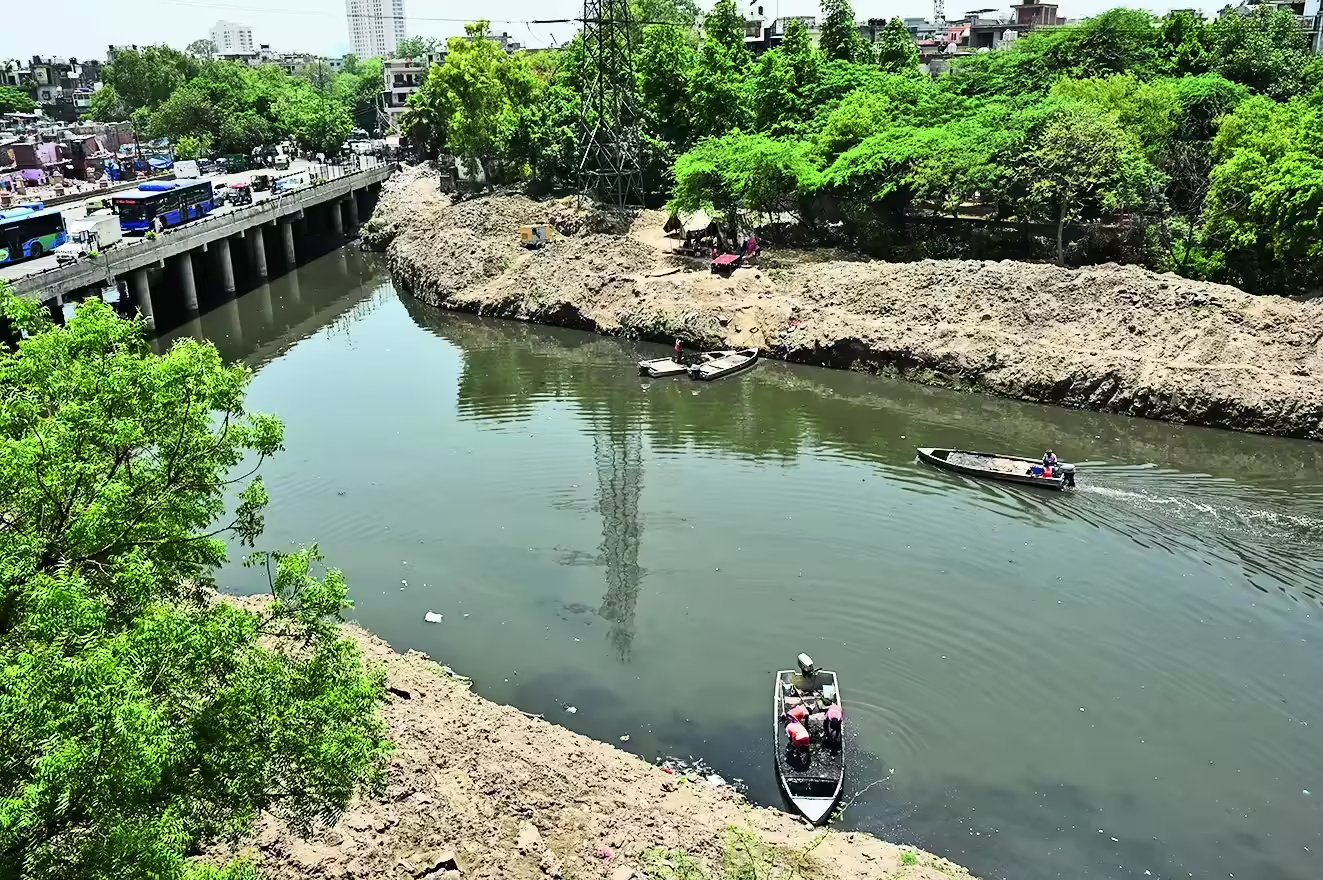
Delhi’s efforts to clean the Yamuna are facing a critical data challenge, with an audit indicating that sewage generation in the capital has been significantly underestimated. The discrepancy, flagged in a recent public audit of the city’s water utility, suggests that planning gaps may be undermining long-term river restoration and wastewater management strategies. According to the findings, the gap between estimated and actual wastewater flows could be close to one-fifth of total generation. This mismatch has direct implications for treatment capacity planning, as underestimating sewage volumes can result in insufficient infrastructure and continued discharge of untreated or partially treated waste into the river system.
The issue is compounded by inconsistencies between different agencies tracking wastewater flows. Environmental monitoring data indicates higher volumes of discharge into the Yamuna compared to official utility estimates. Urban planners note that such divergence complicates policy decisions, making it difficult to design effective interventions for pollution control. The Delhi sewage estimation gap also reflects structural challenges in how urban water systems are measured. Current methodologies often rely on assumptions about water consumption, typically estimating that a fixed proportion of supplied water converts into sewage. However, this approach does not account for alternative water sources such as groundwater extraction, leading to incomplete assessments of actual wastewater generation. Infrastructure shortfalls further exacerbate the problem. Planned expansions in sewage treatment capacity have not kept pace with projections, with several proposed treatment plants failing to materialize within targeted timelines. As a result, a significant share of wastewater continues to enter the Yamuna without adequate treatment, limiting progress towards achieving water quality benchmarks.
Operational inefficiencies within existing treatment facilities have also been highlighted. Experts point to ageing infrastructure, evolving regulatory standards, and gaps in monitoring systems as key factors affecting performance. In particular, the absence of comprehensive testing for critical biological indicators reduces the ability to assess whether treated water meets environmental norms. The Delhi sewage estimation gap has broader implications for urban sustainability. Wastewater management is closely linked to public health, environmental quality, and climate resilience. Inadequate treatment not only degrades river ecosystems but also affects groundwater recharge and increases risks during extreme weather events. From a governance perspective, the findings underline the need for better coordination between agencies responsible for water supply, wastewater treatment, and environmental monitoring. Accurate data collection, real-time tracking, and integrated planning are increasingly seen as essential components of modern urban infrastructure systems.
Looking ahead, addressing the Delhi sewage estimation gap will require both technical and institutional reforms. Upgrading treatment capacity, improving data accuracy, and adopting decentralized wastewater solutions could help bridge existing gaps. As Delhi continues to expand, aligning infrastructure planning with realistic demand estimates will be critical to restoring ecological balance and ensuring sustainable urban growth.