Delhi Water Bodies Decline Raises Planning Concerns
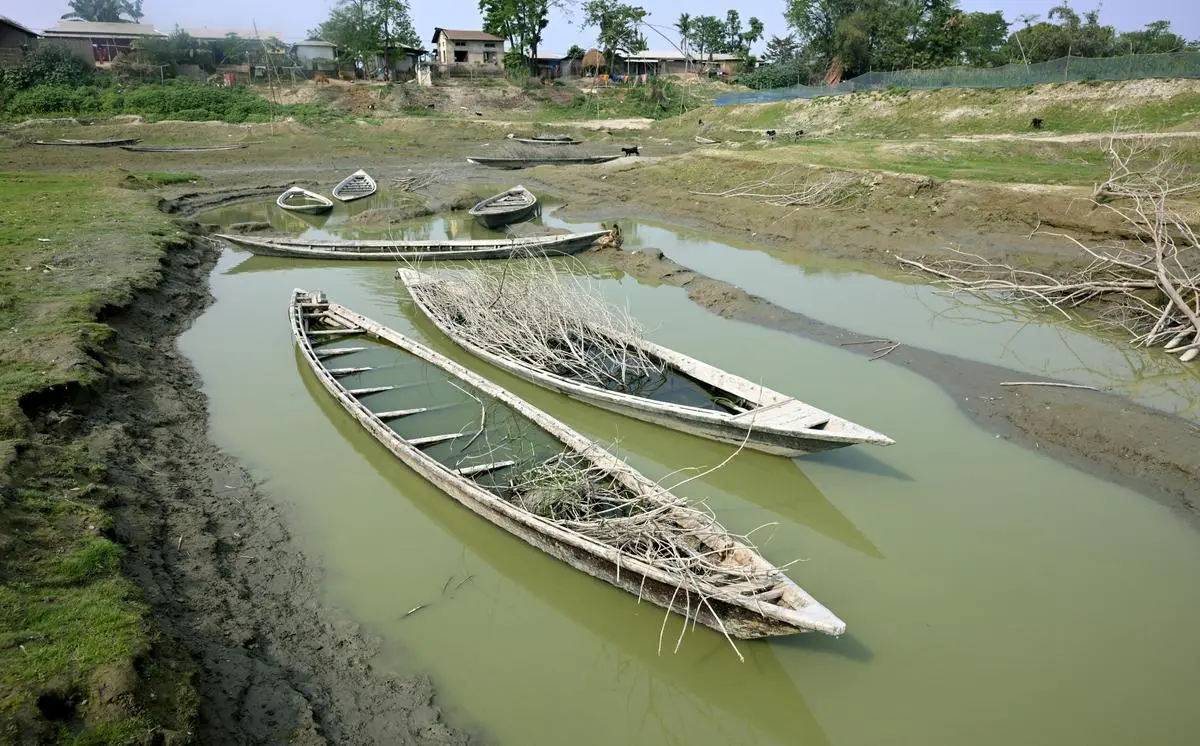
Efforts to restore Delhi’s shrinking network of lakes and ponds are encountering significant structural and administrative hurdles, with several sites either encroached upon or no longer physically traceable. Submissions made to the environmental tribunal indicate that large portions of these water bodies have been altered or lost due to urban expansion, complicating restoration plans and raising concerns about long-term water resilience in the capital. Authorities tasked with wetland management are currently undertaking a city-wide exercise to identify and map over 1,300 recorded water bodies. However, preliminary findings suggest a widening gap between historical records and present-day ground realities. In multiple cases, land parcels once classified as water bodies have been absorbed into built-up areas, including housing developments and public infrastructure.
Urban planners highlight that the loss of these assets has implications beyond environmental degradation. Water bodies play a critical role in groundwater recharge, flood mitigation, and microclimate regulation—functions that are increasingly vital for a city facing heat stress and erratic rainfall patterns. The decline of Delhi water bodies, therefore, intersects directly with climate resilience and sustainable urban planning. Data collection remains a major bottleneck in the restoration process. While some agencies have completed partial demarcation of sites, several others are yet to provide essential information such as boundaries, geo-coordinates, and current land use status. Experts point out that fragmented governance across multiple land-owning bodies continues to hinder coordinated action, delaying both assessment and intervention. The challenge is further compounded by inconsistencies in historical documentation. In some instances, water bodies listed in revenue records cannot be physically located due to missing spatial data or the absence of visible markers. Satellite imagery has helped identify additional sites, but discrepancies between datasets have made verification complex.
Previous assessments had already indicated that only a fraction of recorded water bodies remain intact on the ground. Concerns have also been raised about the absence of comprehensive water quality monitoring. Without baseline data on pollution levels and ecological health, designing effective restoration strategies becomes difficult. Environmental experts stress that revival efforts must go beyond physical demarcation to include water treatment, catchment protection, and community engagement. The status of Delhi water bodies reflects broader tensions between rapid urbanization and ecological preservation. As land demand intensifies, natural assets are often repurposed, sometimes irreversibly. Analysts argue that future urban development must integrate blue-green infrastructure planning to prevent further loss and restore ecological balance.
Moving forward, the success of restoration efforts will depend on improved inter-agency coordination, accurate mapping, and stricter enforcement against encroachments. As regulatory oversight continues, the focus is likely to shift towards identifying feasible sites for revival while acknowledging that some losses may be permanent. The outcome will shape how Delhi balances growth with environmental sustainability in the years ahead.