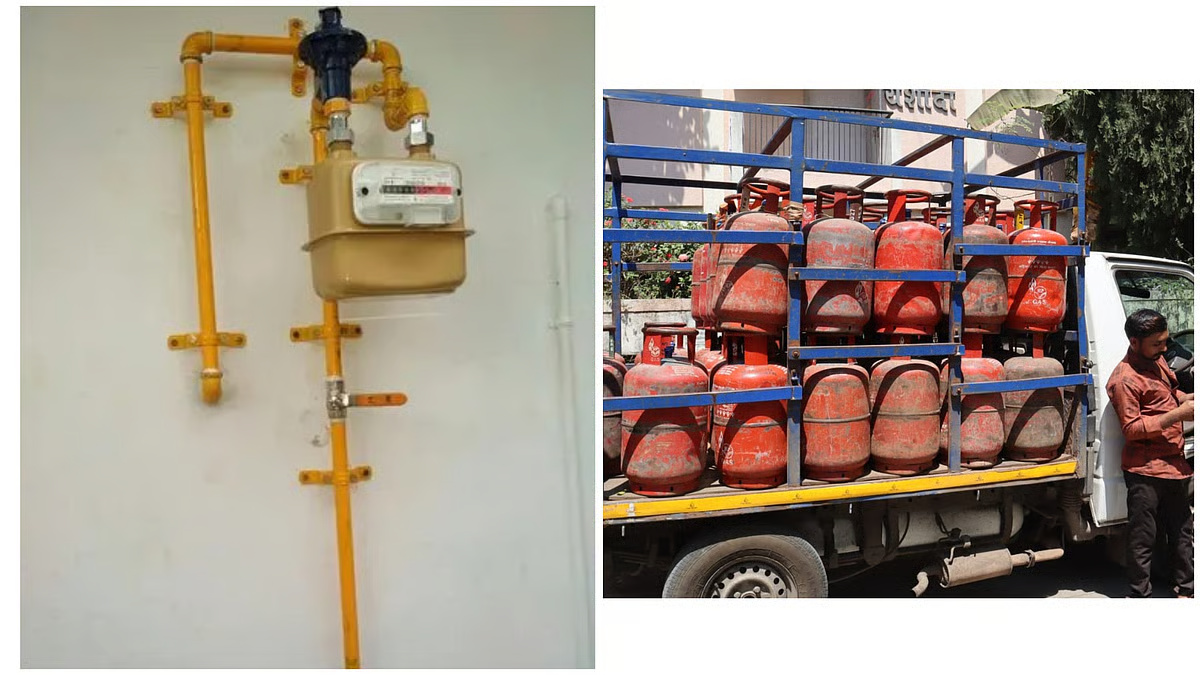
Delhi has introduced an accelerated clearance mechanism for expanding its piped natural gas network, aiming to reduce delays in infrastructure rollout and improve access to cleaner household fuel. Under the revised system, approvals for road excavation required for pipeline installation will now be granted within a day, provided applications meet procedural requirements. The move is expected to significantly compress project timelines across the capital. The decision marks a shift in how urban utility projects are coordinated with road infrastructure management. By streamlining permissions and temporarily suspending certain charges linked to road restoration, authorities are seeking to remove bottlenecks that have historically slowed down network expansion. For residents and businesses, quicker deployment of piped gas connections could translate into more reliable and less polluting energy options.
The Delhi PNG pipeline expansion is particularly relevant in the context of the city’s ongoing air quality challenges. Cleaner fuels such as piped natural gas are considered a transitional solution to reduce dependence on more polluting alternatives like coal, kerosene, and diesel-based systems. Urban planners highlight that expanding last-mile energy infrastructure is as critical as large-scale policy measures in achieving measurable emissions reduction. Officials indicate that execution responsibility will rest heavily on the gas distribution operator, which is expected to mobilise adequate workforce and resources to complete installations efficiently. At the same time, the administration has emphasised strict compliance with safety norms during excavation and reinstatement of roads. Proper backfilling and surface restoration are essential to prevent accidents, traffic disruption, and long-term damage to public assets. The Delhi PNG pipeline rollout also intersects with broader urban planning priorities. As the city continues to densify, integrating underground utility networks with existing infrastructure becomes increasingly complex. Experts suggest that faster approvals must be matched with improved coordination between civic agencies, transport departments, and utility providers to avoid repeated digging and ensure long-term durability of roads.
From an economic perspective, the temporary waiver of restoration charges may incentivise quicker investment and deployment, especially in underserved areas. However, analysts note that sustained expansion will require a balanced approach that accounts for maintenance costs and the lifecycle impact on public infrastructure. The initiative aligns with Delhi’s wider push towards cleaner energy systems, complementing policies promoting electric mobility and renewable power adoption. While piped natural gas is not a zero-carbon solution, it is seen as a step towards reducing urban emissions in the near term, particularly in residential and small commercial segments.
As the Delhi PNG pipeline programme gathers pace, its success will depend on execution quality and inter-agency coordination. If implemented effectively, the approach could serve as a template for other cities seeking to scale up clean energy access without compromising urban infrastructure integrity.