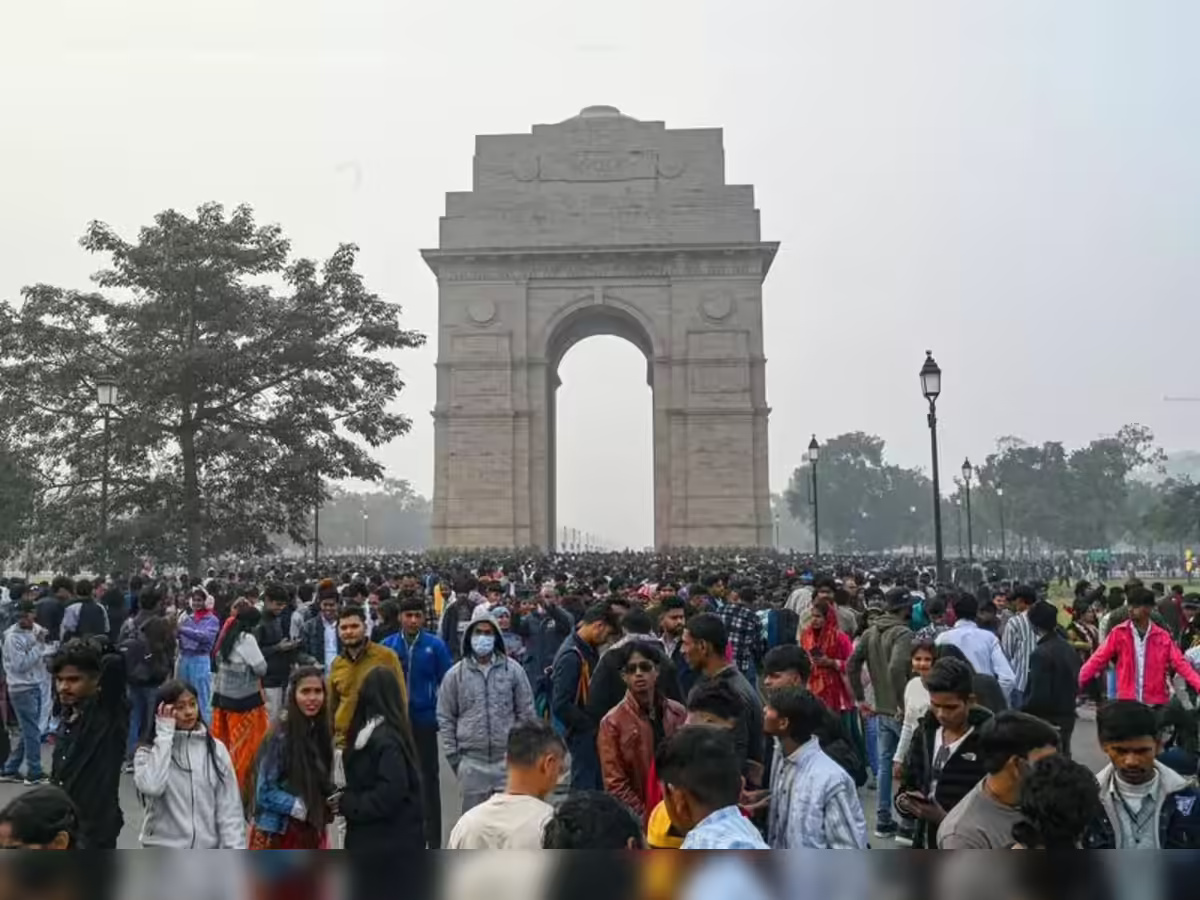
Delhi is repositioning itself as a destination city rather than a stopover, with policymakers signalling a coordinated push to strengthen tourism infrastructure, visitor experience, and urban liveability. The shift, outlined during a recent industry summit in the capital, reflects a broader strategy to align economic growth with improved public spaces, mobility, and cultural visibility. Officials indicated that the city’s development roadmap now places tourism alongside infrastructure as a key economic driver. The approach goes beyond promotion, focusing instead on how urban systems—from transport corridors to public amenities—shape the first and lasting impressions of visitors. For a city that serves as a primary entry point into India, this recalibration carries implications for both global perception and local economic activity.
The Delhi tourism hub ambition is closely tied to ongoing investments in infrastructure. The latest budget outlines a significant capital outlay for transport upgrades, including road redevelopment, new corridors, and congestion-relief projects. Urban planners note that smoother intra-city movement is critical not only for residents but also for tourists navigating heritage sites, business districts, and cultural venues. Air connectivity and airport experience are also central to this strategy. The capital’s primary airport continues to serve as a major gateway, and improvements in passenger processing—supported by digital systems and curated public spaces—are being positioned as part of a larger effort to enhance the city’s global competitiveness. Industry experts argue that seamless airport-to-city connectivity can significantly influence tourism flows and visitor satisfaction. Beyond mobility, the Delhi tourism hub plan places emphasis on place-making and cultural infrastructure. Events, exhibitions, and curated public experiences are being explored as tools to extend visitor engagement beyond traditional monuments. This aligns with global trends where cities leverage culture-led regeneration to drive both tourism and community participation.
Sustainability considerations are also shaping the framework. With a dedicated green allocation in the budget and policies promoting electric mobility and renewable energy, officials suggest that future tourism growth must be environmentally responsible. Experts highlight that integrating clean transport, walkable districts, and climate-resilient design will be essential to ensure that increased visitor numbers do not strain urban systems. From an economic standpoint, expanding tourism can create employment across hospitality, retail, and informal sectors. However, analysts caution that inclusive planning will be necessary to ensure benefits are distributed equitably, particularly in areas undergoing rapid transformation due to infrastructure upgrades.
The success of the Delhi tourism hub vision will depend on coordination across multiple agencies and sustained investment in both physical and social infrastructure. As cities globally compete for visitors and talent, Delhi’s ability to combine heritage, connectivity, and liveability may determine whether it can transition from a transit gateway to a destination in its own right.