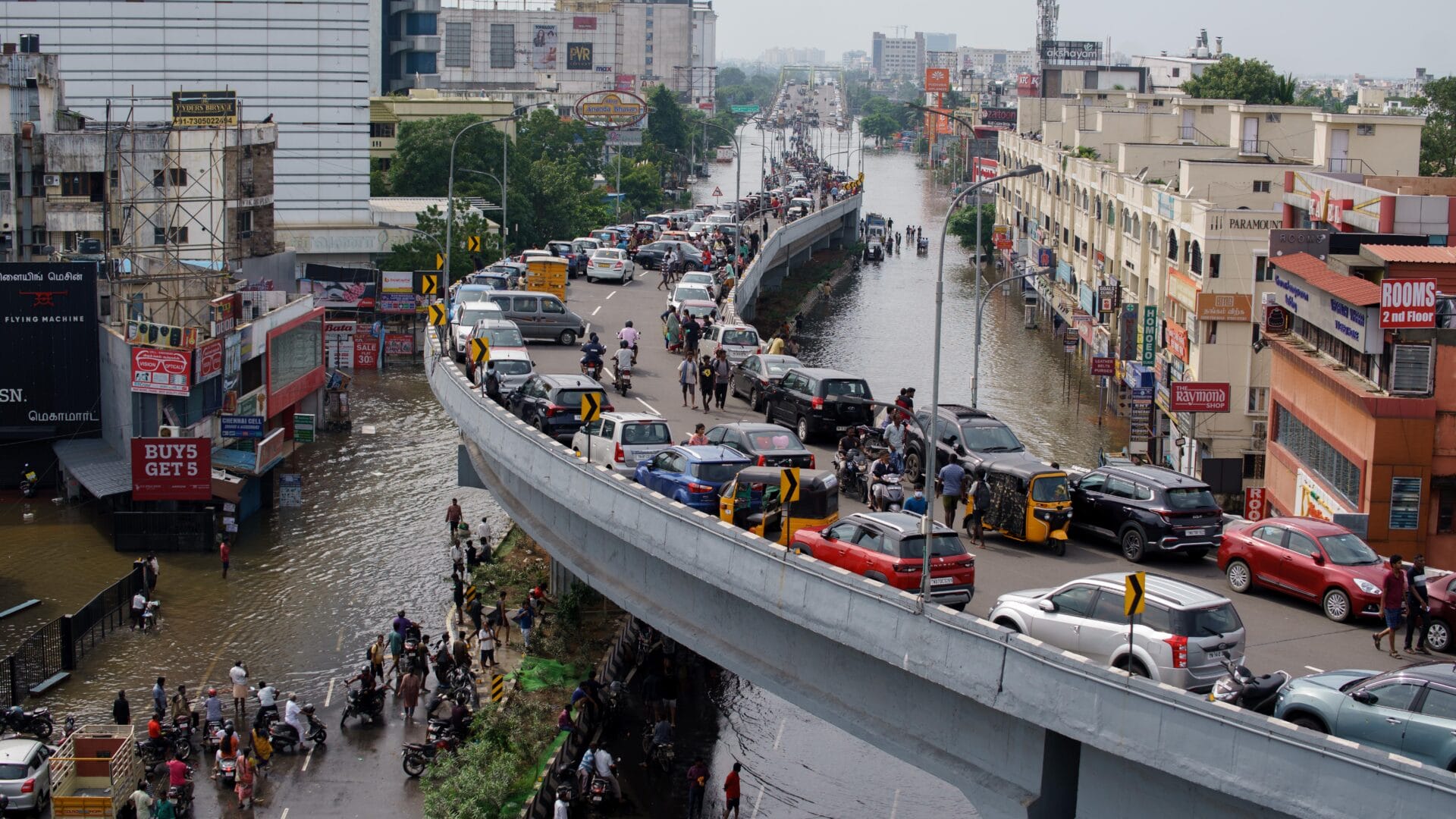
The Nagpur Bench of the Bombay High Court has sharply criticised the Public Works Department (PWD) for delays in responding to concerns about waterlogging linked to elevated cement road construction, underscoring growing tensions between judicial oversight, civic engineering standards, and climate‑sensitive urban planning. The exchange highlights the urgency of integrating resilience into road design as cities contend with increasingly unpredictable rain patterns and rising surface runoff.
Petitions filed by local residents and civic groups highlighted persistent flooding on newly laid stretches of cement pavement in northern and eastern wards. According to submissions, heavy rain events—common in late monsoon and early post‑monsoon periods—have overwhelmed roadside drains, leaving standing water that hampers pedestrian movement and disrupts traffic flows. In court proceedings, petitioners argued that the elevated nature of newly constructed roads, without adequate drainage grade or cross‑section design, has exacerbated water accumulation instead of facilitating runoff.The High Court reprimanded the PWD for failing to file a timely detailed response, noting that infrastructure delays are not just procedural issues but significantly affect neighbourhood safety and mobility. The bench emphasised that road construction in urban environments cannot be treated as a simple overlay of pavement; it must reflect hydrological realities, especially as climate variability increases the frequency of intense rainfall events.Urban planners point out that poorly designed roads with inadequate drainage are a recurring theme in many Indian cities. Cement concrete roads, while durable, reduce soil permeability and increase surface runoff unless paired with engineered drains, inlets, and retention provisions. Without such integrated systems, rainfall that would naturally infiltrate is forced onto adjacent walkways and carriageways, contributing to flash flooding and unsafe conditions for pedestrians and vehicles alike.
The legal scrutiny in Nagpur urban planning underscores how climate projections must be embedded into basic infrastructure design. As temperatures and humidity rise across central India, rainfall patterns are shifting, bringing both intense showers and dry spells. Cities like Nagpur, with expanding built footprints and increasing pavement areas, face heightened risks of urban flooding when infrastructure fails to manage stormwater effectively.Experts emphasise that resilient road networks must adopt multi‑layered drainage solutions, from micro‑drains at kerbside to larger subsurface conveyance systems tied to natural drainage corridors. These investments not only mitigate waterlogging but also protect road pavement integrity—reducing long‑term maintenance costs and improving safety for vulnerable users such as pedestrians, cyclists, and public transport riders.PWD officials have acknowledged the High Court’s concerns and indicated that a comprehensive report on flood mitigation measures is being prepared. Sources within the department said future construction contracts will include more explicit climate adaptation criteria, though specific timelines remain unclear.For Nagpur’s residents, the court’s intervention is a reminder that infrastructure delivery must be accountable to both engineering standards and community needs. Delays in addressing waterlogging do not merely inconvenience commuters—they can disrupt economic activity, stall neighbourhood renewal, and erode public trust in civic delivery mechanisms.
As Nagpur continues to expand its road networks and urban corridors, integrating flood‑responsive design principles will be essential to build infrastructure that can withstand climate pressures and support safe, reliable mobility for all residents.