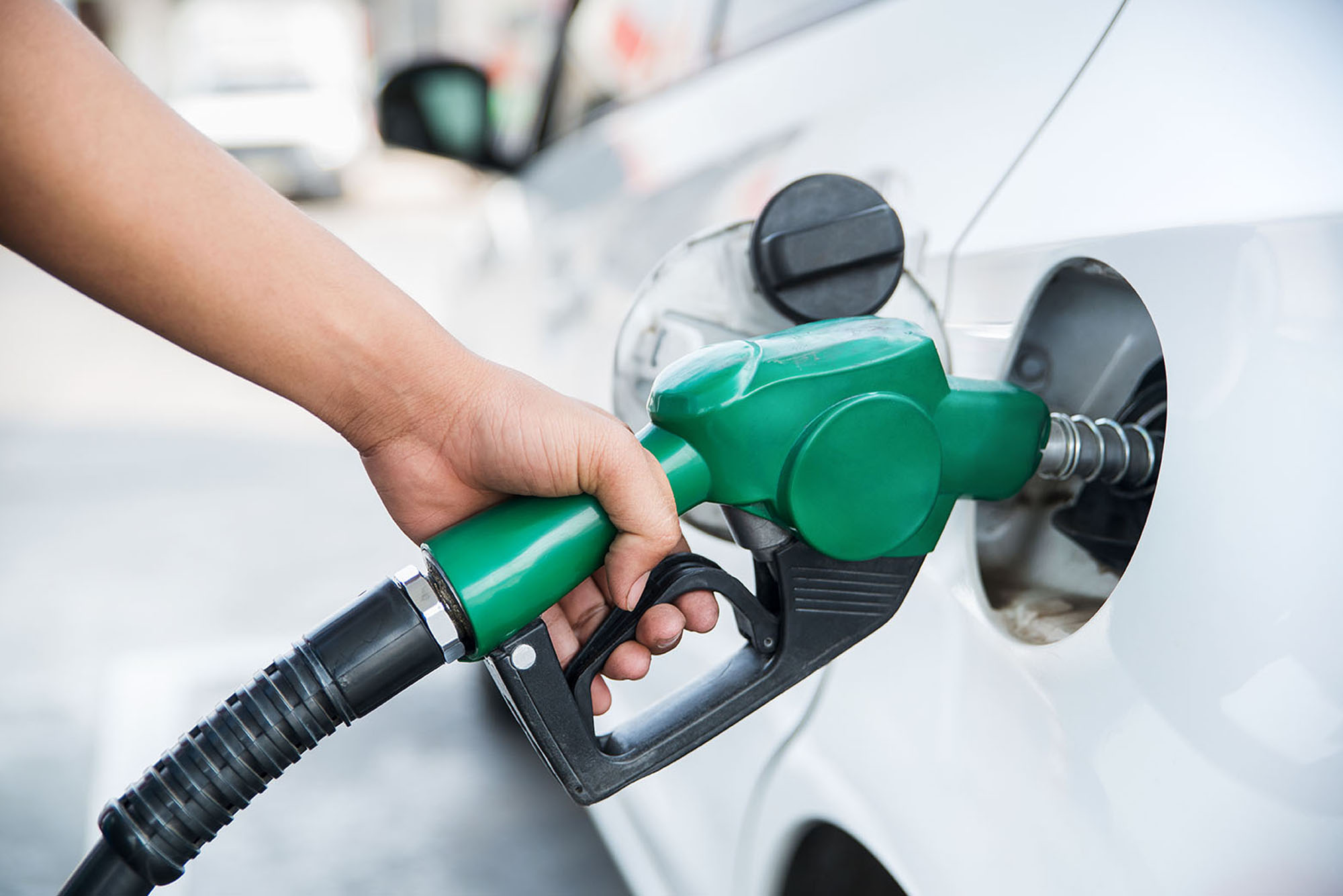
Nagpur has experienced an abrupt surge in petrol sales this week, with volumes at city fuel stations more than doubling as motorists rushed to fill up amid fears of impending shortages. The sharp rise in demand underscores how quickly supply anxieties can ripple through a city’s mobility systems, affecting commuter behaviour, energy markets and urban transport resilience.
Fuel retailers and petrol pump operators reported that daily sales jumped from average pre‑surge levels to nearly twice as much over the past few days. The spike was most visible at major outlets along arterial roads and neighbourhood stations, where long queues formed early in the morning and extended into peak evening hours. City residents cited circulating rumours of supply disruptions—fueled by social media posts and rapid messaging chains—as the primary driver of the buying frenzy. While there has been no official announcement from oil companies or government agencies about imminent shortages, the perception of risk appears to have triggered precautionary behaviour among drivers, further stressing local service stations.Urban analysts say that such petrol sales surge episodes reveal vulnerabilities in how energy information and supply expectations are communicated to the public. “In the absence of clear, timely updates, people fill the information gap with speculation, which then drives real economic behaviour,” noted a transportation expert who requested anonymity. “This can distort normal demand patterns, complicate supply logistics, and ultimately burden urban mobility systems.”
Fuel retailers in Nagpur attempted to manage the situation by limiting the amount of petrol per vehicle and coordinating with suppliers to ensure steady stock. Most outlets reported normal deliveries during the week, but logistics teams were stretched as they worked to keep pace with the unanticipated jump in consumption.The sudden spike in petrol demand also has environmental implications. A petrol sales surge often correlates with increased idling, more frequent short trips, and greater overall emissions—all of which run counter to sustainable urban mobility goals. Cities across India are striving to reduce dependence on fossil fuels in favour of public transport, non‑motorised modes and low‑emission alternatives. Episodes like this highlight the fragility of that transition, especially when public perception spurs behaviour that reinforces conventional fuel use.Public transport advocates in Nagpur took the opportunity to remind residents of the environmental and cost benefits of buses, cycling and walking for short trips. “Robust mass transit systems can buffer cities against shocks in fuel markets,” said a local urban planner. “Diversifying how people move isn’t just good for emissions, it enhances overall resilience.”As the petrol buying pattern stabilises, city officials and energy suppliers are encouraging motorists to fill up only as needed and to rely on verified information from official channels. There is no indication of broader supply disruptions at present, and most analysts expect demand to normalise within days if panic behaviour subsides.
For Nagpur’s urban ecosystem, the episode is a reminder that fuel security is not just a matter of physical supply—it is also about perception, communication and the trust that underpins everyday mobility. Ensuring transparent updates from authorities and building stronger alternatives to private vehicle use will be key to managing future demand spikes without destabilising traffic patterns or environmental goals.