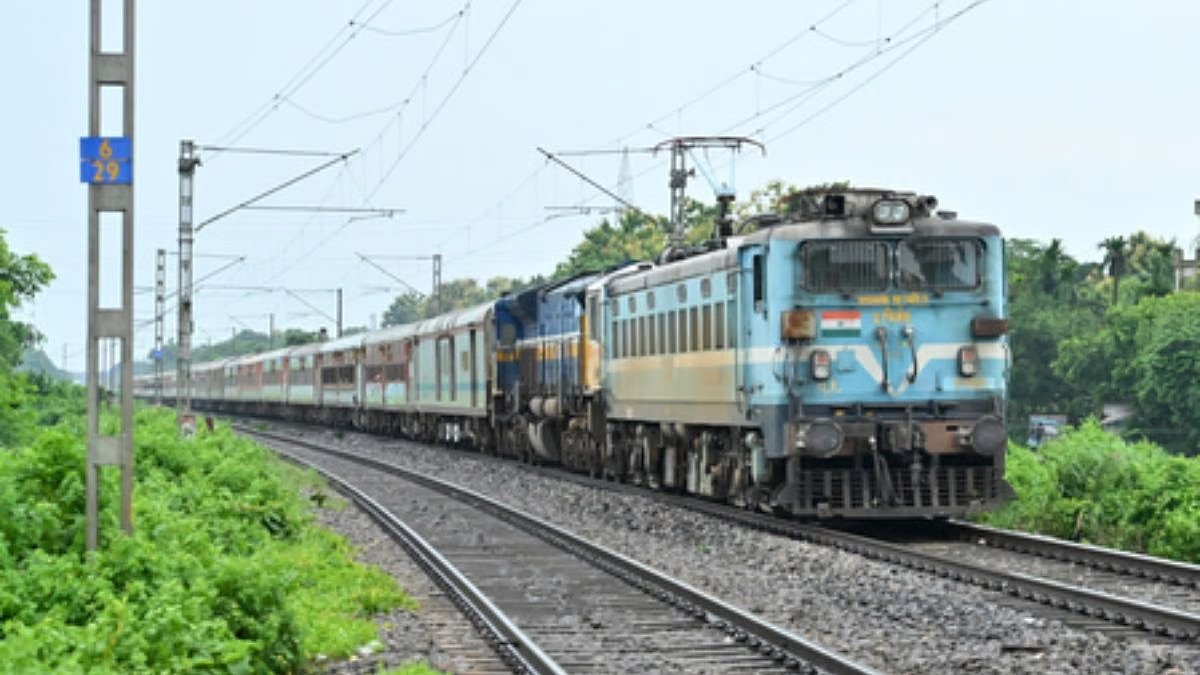
Nagpur Railway Station Upgrade Shifts Trains To Ajni
Indore’s expanding rail network has reached a critical milestone with the completion of track testing on the Pithampur–Dhar section, bringing the region closer to operational rail connectivity and signalling a shift in how mobility and logistics could evolve across Central India. The development is part of the larger Indore–Dahod rail corridor, aimed at connecting underserved districts while strengthening industrial linkages.
Railway officials conducted multi-day testing of the newly laid tracks using specialised inspection equipment to assess stability, safety, and operational readiness. The exercise marks the first time this stretch has been tested under controlled movement conditions, indicating that core infrastructure is nearing completion. The section covers a key industrial and peri-urban belt, linking Indore’s manufacturing hub at Pithampur with Dhar, a region that has historically lacked direct rail access. Trial runs demonstrated progressive improvements in speed and efficiency, with test locomotives covering the stretch faster as calibration progressed, suggesting readiness for passenger and freight movement in the near term. Urban mobility experts view this as more than a transport upgrade. By extending rail access to emerging urban clusters, the project has the potential to reshape commuting patterns, reduce dependence on road transport, and support balanced regional growth. For industrial zones like Pithampur, improved rail connectivity could lower logistics costs and enhance competitiveness by enabling direct freight movement to ports and markets.
The broader Indore–Dahod project spans over 200 km and is designed to integrate multiple districts across Madhya Pradesh and Gujarat into a unified rail network. While certain sections are already operational, others—including tunnels and bridges—are still under construction, with phased commissioning planned over the next year. From an urban development perspective, the rail link also intersects with ongoing investments in logistics infrastructure and industrial expansion in the Indore region. The corridor is expected to complement upcoming multimodal logistics parks and warehousing zones, creating a more efficient freight ecosystem that reduces long-haul trucking and associated emissions.However, planners caution that infrastructure gains must be matched with last-mile connectivity and integrated land-use planning. Without coordinated development around stations, the benefits of rail expansion could remain underutilised. Ensuring seamless links with buses, intermediate public transport, and non-motorised mobility will be key to maximising ridership and accessibility.There is also a social dimension to the project. Improved rail access can enhance mobility for smaller towns like Dhar, opening up opportunities in education, healthcare, and employment. For many residents, the arrival of rail connectivity represents not just infrastructure, but long-awaited inclusion in the regional economic network.
As testing concludes and final construction phases progress, the focus will shift to regulatory approvals and operational readiness. If timelines hold, the Indore–Dhar stretch could soon become a functioning link in Central India’s evolving transport grid—one that balances economic growth with more sustainable, rail-based mobility.