Indore HPV Vaccination Drive Expands Public Health Coverage
Indore is witnessing a significant expansion in healthcare infrastructure, with new investments in medical education, advanced treatment facilities, and public health systems positioning the city as a regional healthcare hub. The developments are part of a broader state-led push to strengthen service delivery and improve health outcomes, with implications for urban resilience and access to care.
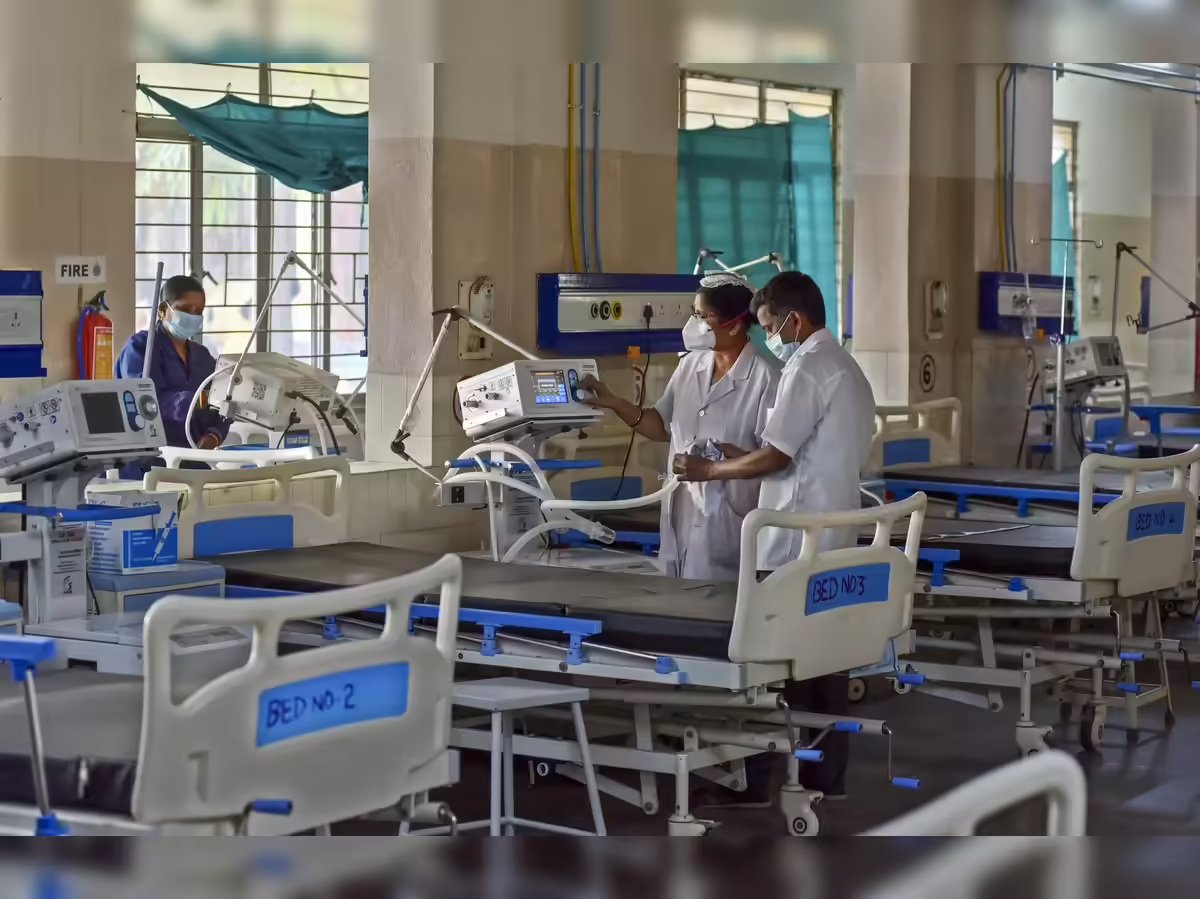
At the centre of this shift is a rapid scaling of tertiary care and specialised services. New facilities for complex treatments—including bone marrow transplants and advanced cancer therapies—have been introduced in the city, marking a transition from basic care provision to high-end medical capabilities. MGM Medical College has also seen fresh infrastructure investments, including hospital expansion and training facilities, indicating a parallel focus on capacity building in medical education. Urban health experts suggest that strengthening institutional healthcare capacity is increasingly critical for fast-growing cities like Indore, where population density and environmental pressures can amplify public health risks. The city’s recent experience with water contamination and disease outbreaks has underlined the need for robust, decentralised health systems capable of early detection and rapid response. Beyond infrastructure, the expansion includes diagnostic and treatment technologies such as CT, MRI, and specialised oncology equipment across major centres. These additions are expected to reduce dependency on metro cities for advanced care, improving affordability and accessibility for residents across the Malwa region.
Public health indicators in the state have shown gradual improvement, particularly in maternal and child health. Declines in mortality rates and wider access to institutional care point to gains in service delivery, though disparities persist between urban and rural areas. Large-scale health insurance coverage and targeted welfare schemes are also driving demand for better-equipped urban hospitals, placing cities like Indore at the forefront of healthcare delivery expansion. The growth in medical colleges and training seats further reflects a long-term strategy to address workforce shortages. Increasing the supply of doctors and specialists is essential not only for healthcare access but also for supporting the city’s broader economic ecosystem, including medical tourism and allied services.However, urban planners caution that infrastructure growth must be matched with investments in basic services such as water quality, sanitation, and environmental management. Without these, healthcare systems risk being overwhelmed by preventable diseases. Integrating health planning with urban infrastructure—particularly water, waste, and housing—remains a key challenge.
As Indore expands its health infrastructure, the focus will increasingly shift to how effectively these investments translate into equitable access and improved urban health outcomes. The city’s trajectory could offer a template for secondary cities seeking to balance growth with public health resilience.