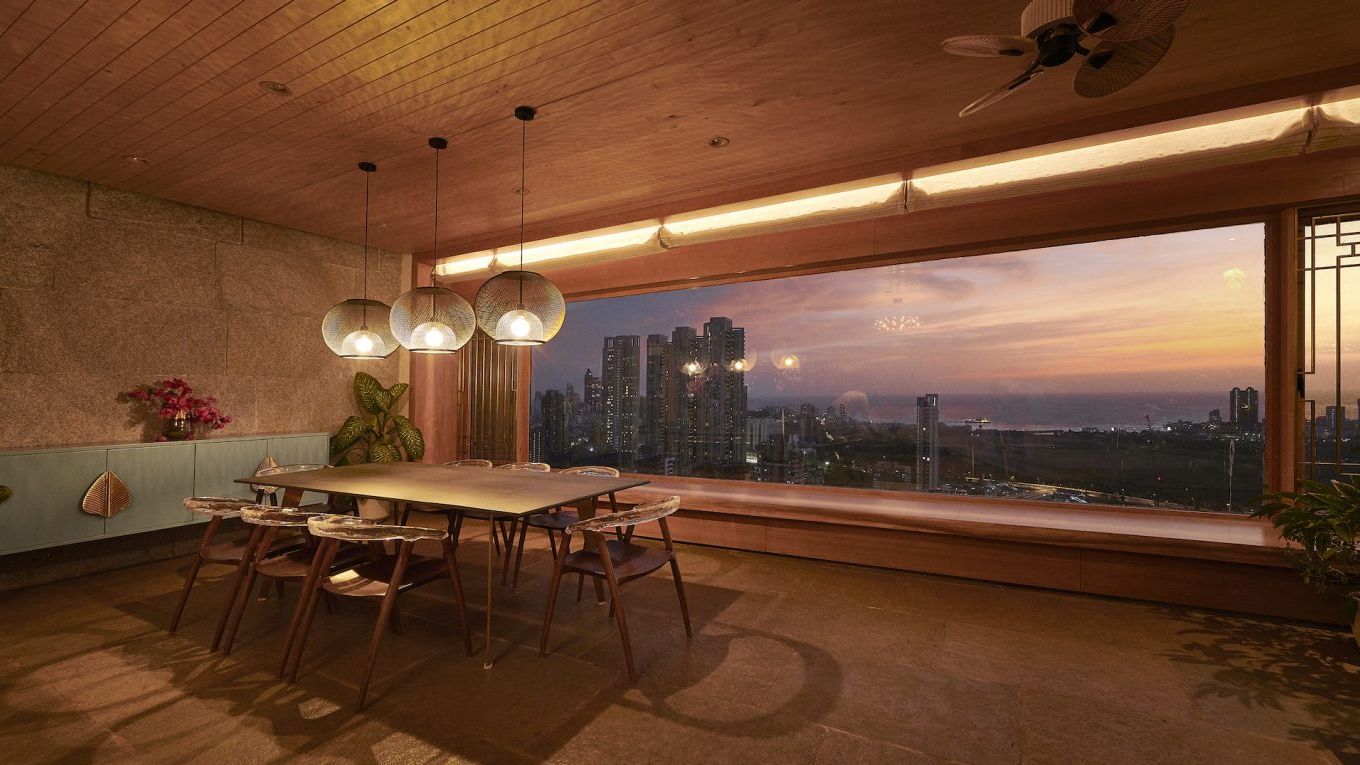
Bengaluru Furniture Stores Redefine Home Styling Trends
Furniture retail in Bengaluru is undergoing a transformation, with stores evolving from transactional outlets into immersive design destinations. A growing number of companies, including Urban Ladder, Pepperfry, and IKEA, are reshaping how consumers engage with home interiors by offering curated, experience-driven retail environments.
The shift reflects changing consumer expectations in urban India, where homebuyers and renters increasingly seek personalised, design-led spaces rather than standardised furniture purchases. In Bengaluru, often seen as a trendsetter for lifestyle consumption, furniture stores are integrating layout planning, visual merchandising, and digital tools to simulate real living environments inside showrooms. This approach allows customers to visualise entire rooms rather than individual products, improving decision-making and engagement.Design-focused retailers such as Ventura Interiors and Cherry Pick are also expanding their presence with curated collections and bespoke services, targeting a growing segment of premium buyers. These stores often blend global design influences with local sensibilities, offering personalised consultations and end-to-end interior solutions.The rise of such formats is closely linked to broader urban trends. With hybrid work models and increased time spent at home, demand for functional yet aesthetically refined interiors has surged. Consumers are investing more in ergonomic furniture, modular solutions, and multi-purpose spaces that accommodate both living and working needs.
From a business perspective, the move towards experiential retail is also a response to e-commerce competition. While online platforms provide convenience and price transparency, physical stores are differentiating themselves through tactile experiences, design expertise, and immediate customisation options. This hybrid retail model—combining digital discovery with in-store experience—is becoming central to the sector’s growth.The Bengaluru furniture retail transformation is also influencing supply chains and manufacturing. Companies are increasingly focusing on customisation, shorter production cycles, and design innovation to meet evolving consumer preferences. Local manufacturers and design studios are collaborating more closely, enabling quicker turnaround and greater flexibility in product offerings.Urban planners note that such shifts in retail are part of a larger evolution in how cities consume and interact with built spaces. As housing typologies change and smaller urban homes become more common, furniture is no longer just functional—it plays a critical role in optimising space, improving comfort, and enhancing quality of life.At the same time, sustainability is emerging as a parallel focus. Some retailers are incorporating recycled materials, modular designs, and long-lasting products to align with environmentally conscious consumer behaviour. This reflects a gradual move towards more responsible consumption in urban housing markets.
Looking ahead, Bengaluru’s furniture sector is likely to continue blending design, technology, and retail. As demand for personalised living spaces grows, the emphasis on experience-driven showrooms and integrated interior solutions is expected to shape the next phase of home styling in India’s urban centres.