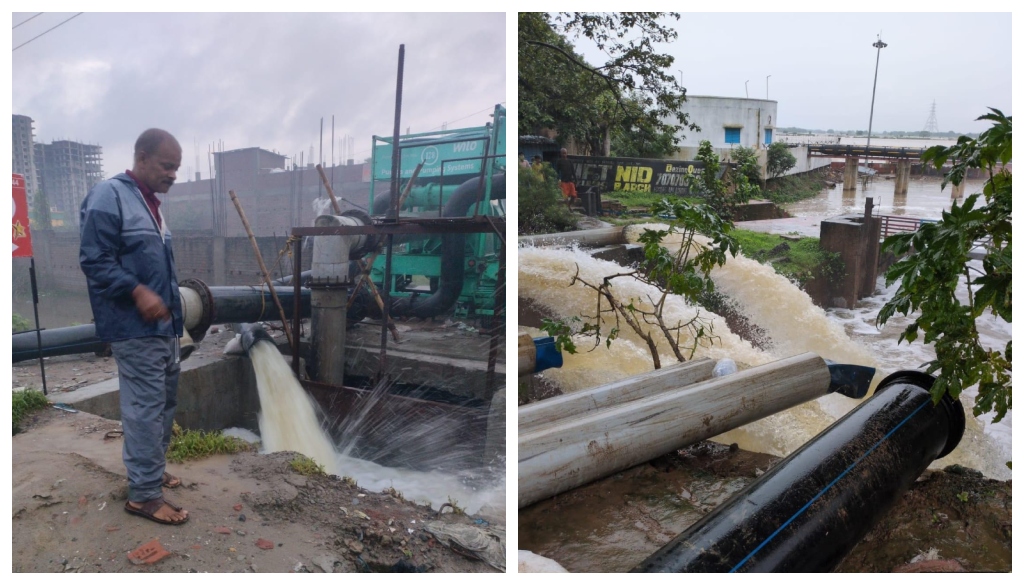
Patna Drainage Pumping Stations Finalised Before Monsoon
Patna is stepping up its monsoon preparedness with a targeted expansion of its urban drainage system, finalising eight new drainage pumping stations across flood-prone neighbourhoods. The move is aimed at addressing one of the city’s most persistent urban challenges — waterlogging — which continues to affect mobility, housing and economic activity every rainy season.
Officials overseeing the project said the new stations have been positioned in low-lying and high-risk locations across the city, including areas stretching from the western suburbs to the older eastern neighbourhoods. The stations are expected to begin operations before the onset of the monsoon, forming a critical layer of flood management infrastructure in a city where even short spells of heavy rainfall can disrupt daily life. Urban planners say the decision to prioritise drainage pumping stations reflects a gradual shift in how Indian tier-2 cities are approaching infrastructure development. Instead of focusing only on roads and new construction, cities are increasingly investing in climate-resilient urban systems such as storm-water management and drainage upgrades. In Patna, the urgency is particularly high because rapid urban growth has reduced natural water-absorption areas while increasing the load on older drainage networks. According to officials, the eight new stations will add to an already extensive system of permanent and temporary pumping units operating across the city.
Together, they are expected to significantly improve the speed at which rainwater is removed from roads and residential areas, particularly in neighbourhoods that face repeated flooding each year. The wider urban impact goes beyond flood control. Waterlogging often leads to traffic paralysis, damage to low-income housing, and temporary disruption to small businesses operating in dense market areas. By strengthening drainage capacity, the city could reduce both economic losses and the social disruption that typically follows heavy rains. Real estate analysts also note that consistent drainage improvements often influence property values in flood-prone zones, especially in expanding residential corridors. However, urban policy experts caution that pumping stations alone cannot fully solve long-term flooding challenges. Cities like Patna also need integrated storm-water planning, preservation of natural drainage channels, and stronger monitoring of unplanned construction in low-lying areas. Without these measures, short-term infrastructure upgrades may struggle to keep pace with future climate pressures and population growth.
The completion of the new pumping stations signals a more structured approach to monsoon preparedness in the state capital. For residents, the real test will come in the coming rainy season — when the effectiveness of these projects will determine whether the city can move closer to a more climate-resilient and livable urban future.