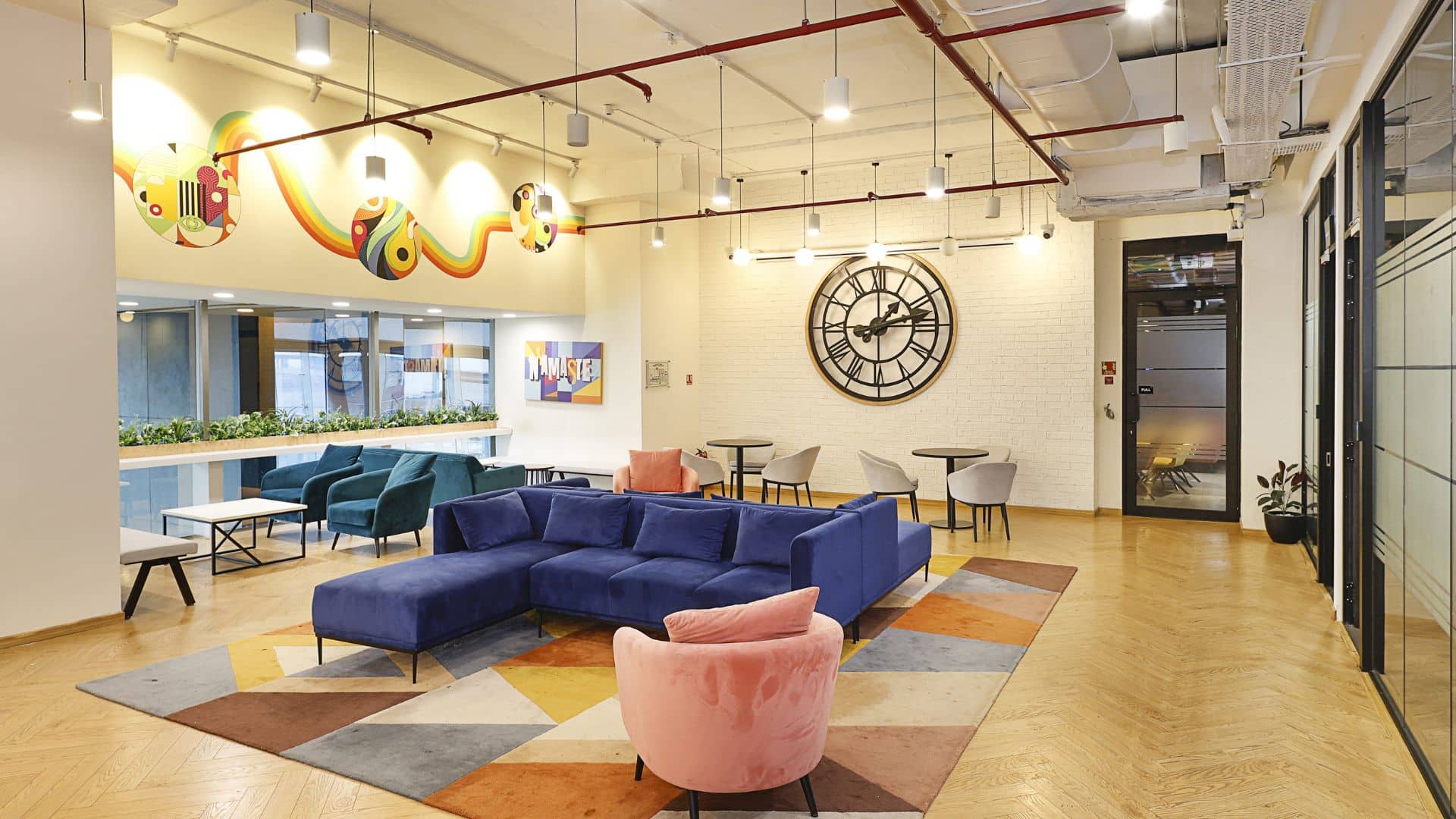
A new Hyderabad coworking space is set to open in the city’s western IT corridor next month, signalling continued demand for flexible workplaces even as corporate real estate strategies evolve. The facility, located within Meenakshi Tech Park in Gachibowli, is scheduled to begin operations on April 16, adding to the growing inventory of managed office spaces in Hyderabad.
The expansion reflects a broader shift in how companies are approaching workspace needs. Industry observers note that hybrid work models and cost optimization strategies are pushing firms, particularly startups and mid-sized enterprises, towards flexible leasing formats instead of long-term commitments. A senior market analyst said such developments are helping businesses reduce upfront capital expenditure while maintaining access to premium business districts.Gachibowli, along with the Financial District and HITEC City, has emerged as one of the most active micro-markets in southern India’s office sector. Its proximity to major technology campuses and transport corridors continues to attract both domestic firms and global capability centres. Urban planners point out that clustering of office spaces in such zones improves economic productivity but also raises concerns around congestion, infrastructure strain, and equitable urban growth.
The new Hyderabad coworking space is designed to cater to a wide spectrum of users from independent professionals to large teams through modular offerings such as shared desks, private cabins, and managed suites. Experts suggest that such flexibility allows businesses to scale operations in response to market conditions, particularly in uncertain economic cycles.Beyond convenience, the rise of coworking formats is increasingly tied to sustainability considerations. Shared infrastructure such as energy systems, meeting facilities, and common areas can reduce per capita resource consumption compared to traditional offices. However, urban development specialists emphasise that the environmental impact depends on building efficiency, transport access, and integration with public transit systems.The operator, AltF Coworking, has been steadily increasing its footprint in key commercial hubs. Its presence in multiple locations across the city indicates a strategy aligned with decentralised office demand, where companies seek distributed workplaces closer to residential clusters to cut commute times and emissions.
From a real estate perspective, the addition of managed workspaces within established tech parks signals a recalibration of asset utilisation. Landlords are increasingly partnering with flexible workspace providers to maintain occupancy levels and diversify tenant profiles. This trend is particularly visible in cities like Hyderabad, where office supply has expanded rapidly in recent years. As flexible offices gain traction, the challenge for urban authorities will be to ensure that infrastructure ranging from mobility networks to utilities keeps pace with concentrated commercial growth. How these developments integrate with long-term sustainability and inclusivity goals will shape the next phase of the city’s evolution as a leading business destination.