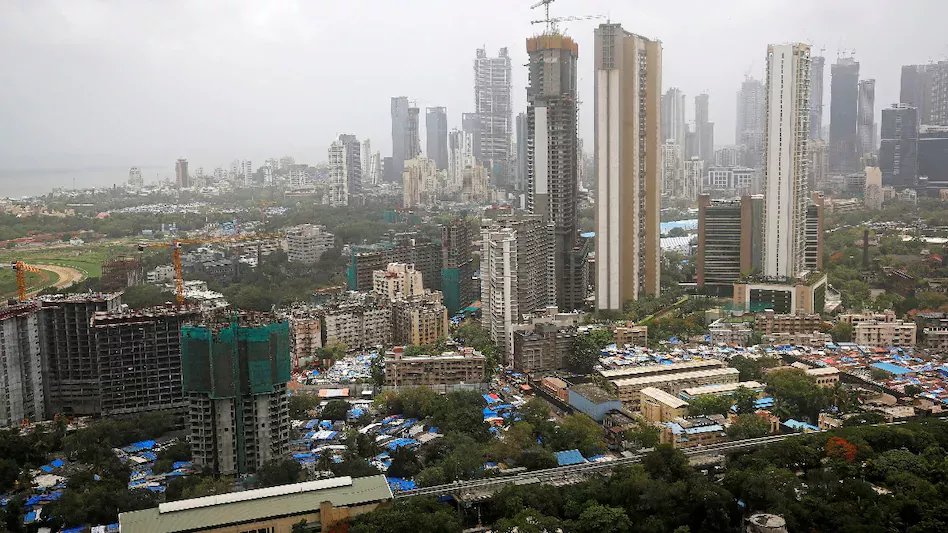
Bengaluru Real Estate Sentiment Shifts Amid Tech Slowdown
Bengaluru’s residential market is showing early signs of caution as deal closures slow and buyer sentiment weakens, particularly in the city’s premium housing segment. While prices have not seen a broad-based decline, uncertainty around employment in the technology sector and shifting economic conditions are prompting homebuyers to reassess long-term financial commitments.
The Bengaluru real estate market, long buoyed by a strong IT-driven economy, is now navigating a phase where global tech headwinds and evolving workplace dynamics are influencing purchase decisions. Industry observers note that prospective buyers are taking longer to finalise transactions, reflecting heightened scrutiny over affordability, loan exposure, and future income stability.This change in behaviour marks a departure from the post-pandemic surge, when low interest rates and pent-up demand drove rapid sales and price appreciation. Today, the market appears to be transitioning into a more measured cycle, where end-use demand continues to dominate but speculative investment activity has moderated.
Urban economists suggest that this shift is not necessarily indicative of a downturn but rather a normalisation after a period of accelerated growth. Limited supply in key micro-markets, coupled with sustained migration to the city, continues to provide structural support to the Bengaluru real estate sector. However, affordability constraints are becoming more visible, especially among first-time buyers navigating high property values and rising borrowing costs.At the same time, changes in the technology sector are playing a critical role in shaping housing demand. Automation and artificial intelligence are altering hiring patterns, with some job categories facing rationalisation while others expand. This uneven employment outlook is feeding into cautious buyer behaviour, particularly for under-construction projects with long delivery timelines. Urban planners highlight that such phases of consolidation can have broader implications for city development. Slower sales cycles may encourage developers to recalibrate pricing, improve project quality, and align offerings with evolving buyer preferences, including energy-efficient buildings and resilient urban infrastructure. This could support more sustainable growth patterns in the long term.
For investors, rental yields and occupancy trends remain key indicators to watch. Any sustained softening in employment-driven migration could impact rental demand, especially in tech-centric corridors. However, Bengaluru’s diversified economic base and continued infrastructure expansion are expected to cushion sharp corrections. Looking ahead, the trajectory of the market will depend on how effectively the city balances economic growth with housing affordability and infrastructure readiness. A more cautious buyer base may ultimately contribute to a healthier, demand-driven market one that prioritises stability, liveability, and long-term urban resilience over speculative gains.