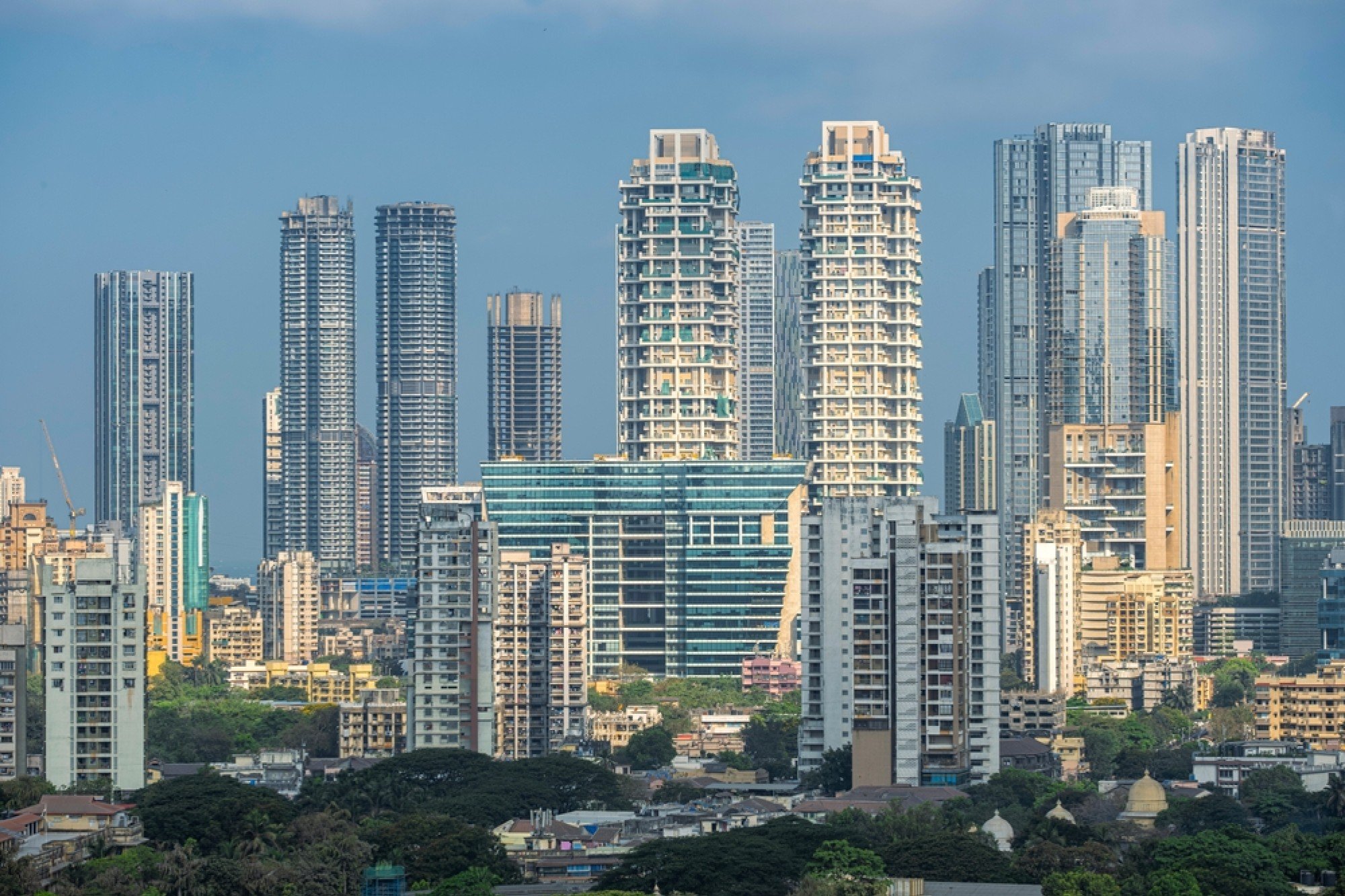
Mumbai’s evolving skyline is increasingly defined by a cluster of ultra-tall residential towers, reflecting the city’s constrained land supply, rising housing aspirations, and a decisive shift toward vertical urban growth. From Worli to Lower Parel and Byculla, a new generation of skyscrapers is reshaping how space, luxury, and density intersect in India’s financial capital.
Among the most prominent structures is Palais Royale in Worli, rising to around 320 metres. Conceived as a green-certified luxury tower, it signals the growing integration of sustainability features in high-end developments. Close behind is Lokhandwala Minerva in Mahalaxmi, which has emerged as one of the tallest completed residential buildings, underscoring the premium buyers’ preference for sea views and expansive layouts.The clustering of these towers in central Mumbai is not incidental. Urban planners note that areas such as Lower Parel and Worli have transitioned from industrial zones to high-density residential and commercial districts. Projects like World One and Lodha World View illustrate how redevelopment has unlocked land value while intensifying pressure on infrastructure, mobility, and public services.
Further east, Piramal Aranya Arav in Byculla reflects a parallel trend integrating wellness-focused design with vertical living. Industry experts suggest that post-pandemic preferences have accelerated demand for homes offering open views, air quality considerations, and integrated amenities within high-rise formats. In Prabhadevi, Wadhwa 25 South A demonstrates how mid-to-high luxury towers are catering to professionals seeking proximity to business districts. Meanwhile, branded residences such as Lodha Trump Tower in Worli highlight the growing influence of global partnerships in India’s luxury housing segment, positioning Mumbai within an international real estate narrative.However, the rise of Mumbai’s tallest buildings also raises critical urban questions. High-rise concentration increases demand on transport networks, water supply, and energy systems. Without parallel investments in climate-resilient infrastructure, such vertical expansion risks exacerbating urban stress. Experts point out that integrating public transit access, decentralised energy systems, and green building standards will be essential to ensure that density does not compromise liveability.
There is also a broader socio-economic dimension. While these towers symbolise economic growth and global ambition, they largely cater to a narrow segment of the population. Urban policy specialists argue that balancing luxury development with inclusive housing remains key to equitable city-building. As Mumbai continues to build upwards, its skyline tells a story not just of architectural ambition, but of a city negotiating land scarcity, environmental constraints, and shifting lifestyle demands. The next phase of growth will depend on how effectively planning frameworks align vertical expansion with sustainability and inclusive urban outcomes.