


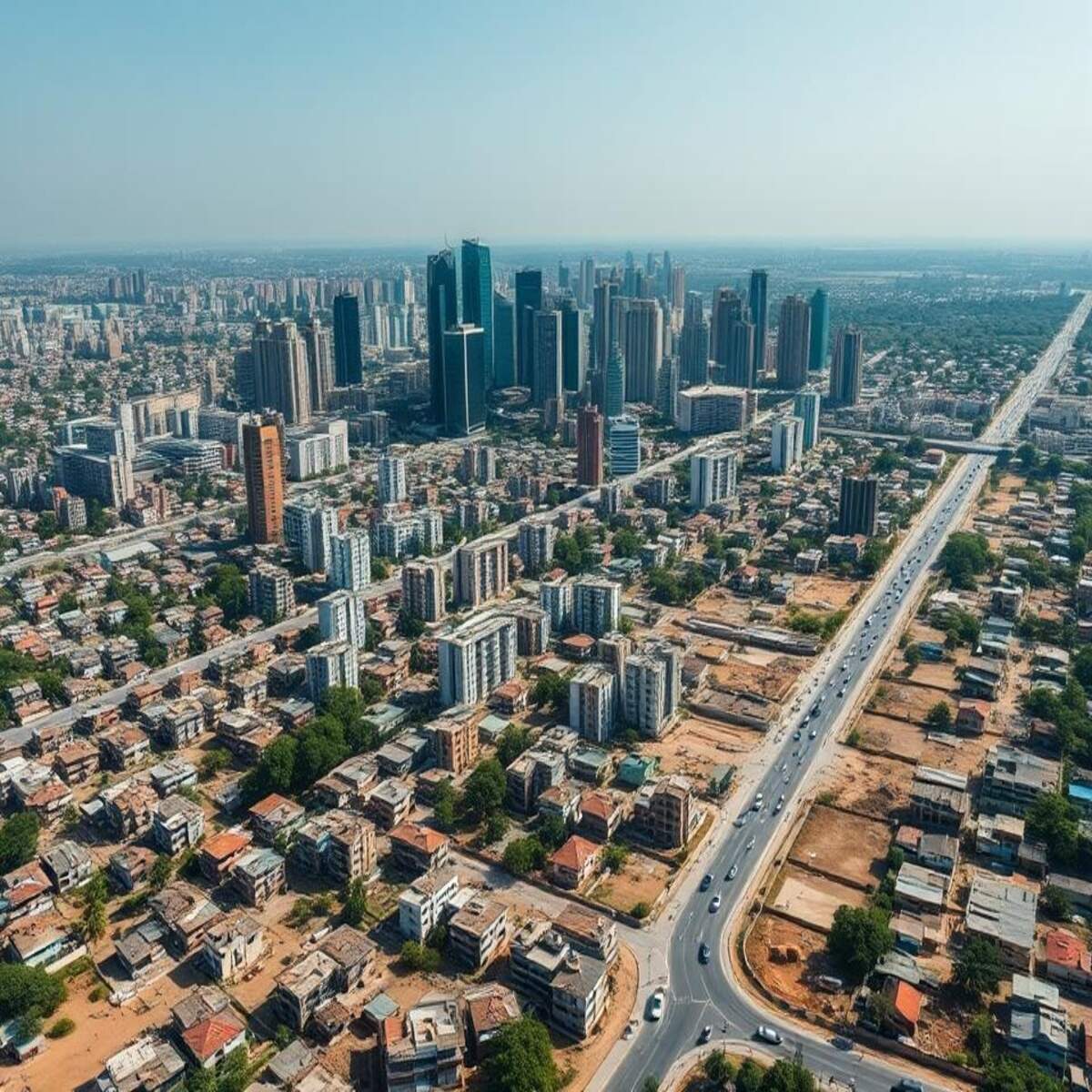
India’s urban economic landscape is undergoing a structural shift as southern technology hubs, led by Bengaluru and Hyderabad, emerge as dominant drivers of workforce mobility, investment flows, and city-level competitiveness.
New data indicates that while Bengaluru continues to attract a significant share of talent, Hyderabad is gaining ground on liveability metrics, reshaping how cities compete for growth in the coming decade.The evolving Bengaluru Hyderabad urban economy dynamic reflects deeper changes in how knowledge-driven industries influence city development. Bengaluru’s long-standing position as a technology capital continues to draw professionals across sectors, supported by a dense ecosystem of startups, global firms, and research institutions. This concentration of opportunity has reinforced its role as a primary employment magnet within India’s urban hierarchy.However, rapid growth has also introduced pressures. Urban planners point to rising congestion, infrastructure strain, and housing affordability concerns as challenges that could affect long-term sustainability. These constraints are increasingly influencing workforce decisions, particularly among younger professionals seeking balanced urban environments.Hyderabad, by contrast, is positioning itself as a more liveable alternative within the same economic corridor. Planned infrastructure expansion, relatively lower living costs, and a focus on integrated urban development have contributed to its growing appeal. Experts suggest that this dual dynamic—Bengaluru as a talent hub and Hyderabad as a liveability leader—is redefining competitive benchmarks for Indian cities.
The Bengaluru Hyderabad urban economy shift also has implications for real estate and infrastructure planning. Increased workforce mobility between cities is driving demand for flexible housing, co-living spaces, and transit-oriented development. Commercial real estate markets are adapting as companies distribute operations across multiple urban centres to mitigate risk and optimise costs.From a sustainability perspective, the divergence highlights the importance of aligning economic growth with infrastructure capacity. Cities that fail to invest in public transport, green spaces, and resilient utilities risk diminishing their attractiveness despite strong job markets. Conversely, those integrating climate-responsive planning into expansion strategies are likely to gain a competitive edge.The trend is also influencing regional development patterns. As both cities strengthen their economic roles, surrounding peri-urban areas are witnessing increased investment, leading to the emergence of new growth corridors. This decentralisation, if managed effectively, could reduce pressure on core urban zones while promoting more equitable spatial development.Policy experts emphasise that the next phase of India’s urbanisation will depend on how cities balance growth with quality of life. The Bengaluru Hyderabad urban economy model offers insights into both the opportunities and trade-offs involved. While job creation remains a key driver, factors such as commute times, environmental quality, and social infrastructure are becoming equally critical in shaping urban choices.
As India’s technology-driven cities continue to expand, the competition between economic opportunity and liveability will likely define the trajectory of urban development, influencing where people choose to live, work, and invest.
Also read : Bengaluru agentic AI workshop boosts innovation ecosystem
