


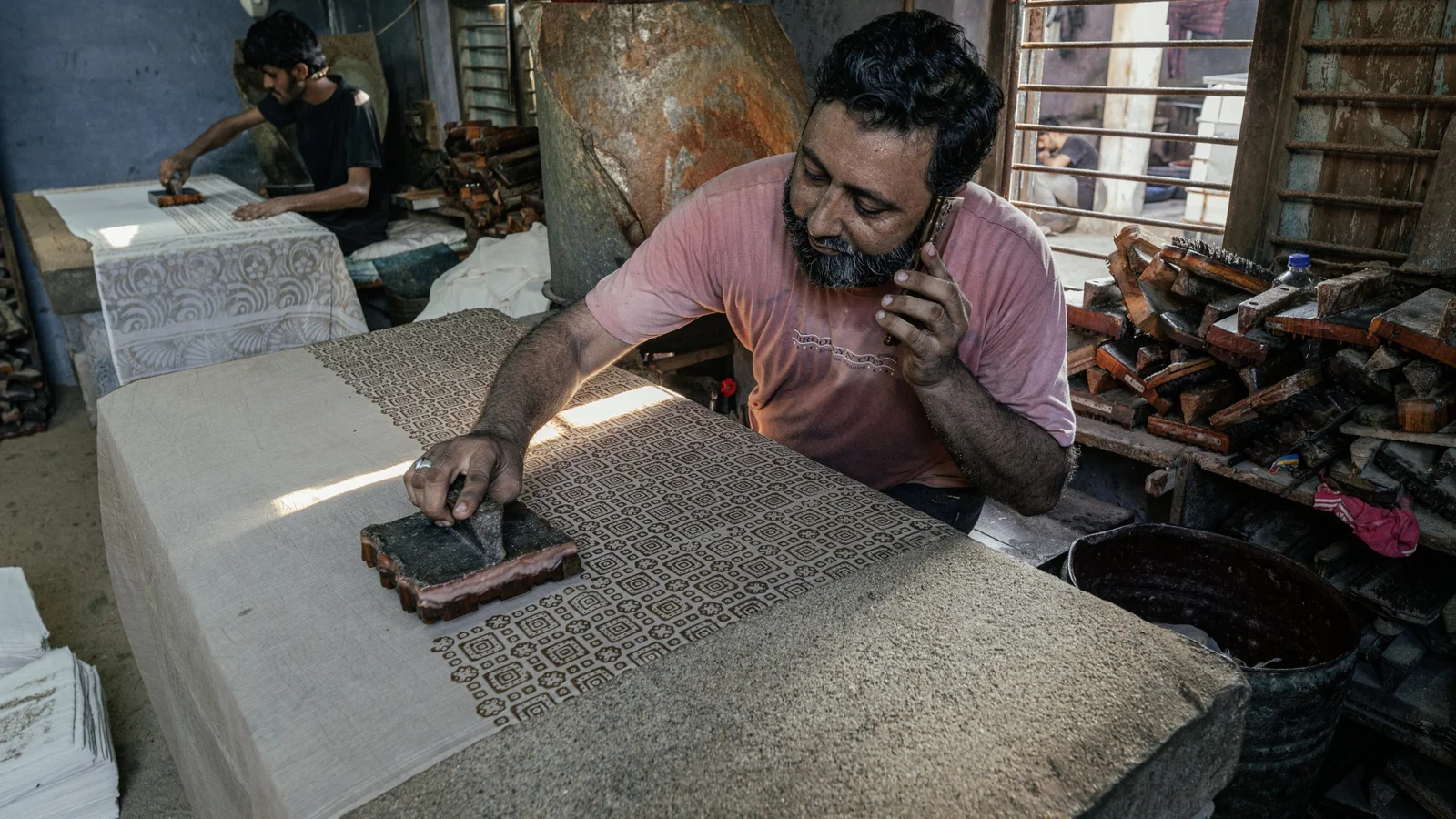
A new cultural initiative in Bengaluru is aiming to reposition traditional crafts within the city’s evolving urban economy, as a homegrown brand launches a platform designed to connect artisans with contemporary consumers.
The move reflects a broader shift in how Indian cities are integrating heritage industries into modern economic frameworks.The platform, introduced as a curated space for craft-led engagement, brings together artisans, designers, and urban audiences through exhibitions, workshops, and retail experiences. Industry observers note that such initiatives are increasingly being used to bridge the gap between traditional craftsmanship and urban demand, particularly in cities where consumption patterns are rapidly changing.
Bengaluru’s emergence as a hub for innovation and design has created new opportunities for cultural enterprises to thrive. However, experts point out that artisans often remain disconnected from these urban markets due to fragmented supply chains and limited visibility. The Kaarigari platform seeks to address this by creating a structured interface where crafts can be showcased, contextualised, and monetised more effectively.Urban planners suggest that embedding craft economies within city ecosystems can contribute to more inclusive growth. By enabling direct engagement between creators and consumers, such platforms can improve income stability for artisans while reducing intermediaries. This model also aligns with sustainability goals, as handcrafted products typically have lower environmental footprints compared to mass-produced goods.The
Kaarigari platform is also positioned as a cultural space rather than a purely commercial venture. Programming is expected to include interactive sessions, storytelling formats, and skill-based workshops, which can help urban residents better understand the social and ecological value of traditional crafts. This experiential approach is increasingly seen as critical in sustaining long-term consumer interest.From a real estate and urban development perspective, the rise of such cultural hubs is reshaping how commercial spaces are utilised. Mixed-use developments and experiential retail formats are gaining traction, as developers look to create destinations that combine commerce, culture, and community engagement. Analysts indicate that this trend can enhance footfall while supporting local economies.The initiative also highlights the growing role of private sector participation in cultural preservation. With limited institutional support available for many craft clusters, partnerships between businesses and artisan communities are becoming essential to sustain livelihoods and skills.
As Bengaluru continues to balance rapid urbanisation with cultural continuity, the success of platforms like Kaarigari could influence how cities across India integrate heritage sectors into future growth strategies. The next phase will depend on scalability, consistent market access, and the ability to ensure that economic benefits reach the artisan communities at the core of the initiative.
Also Read:Bengaluru Job Fair Boosts Global Employment Access
