


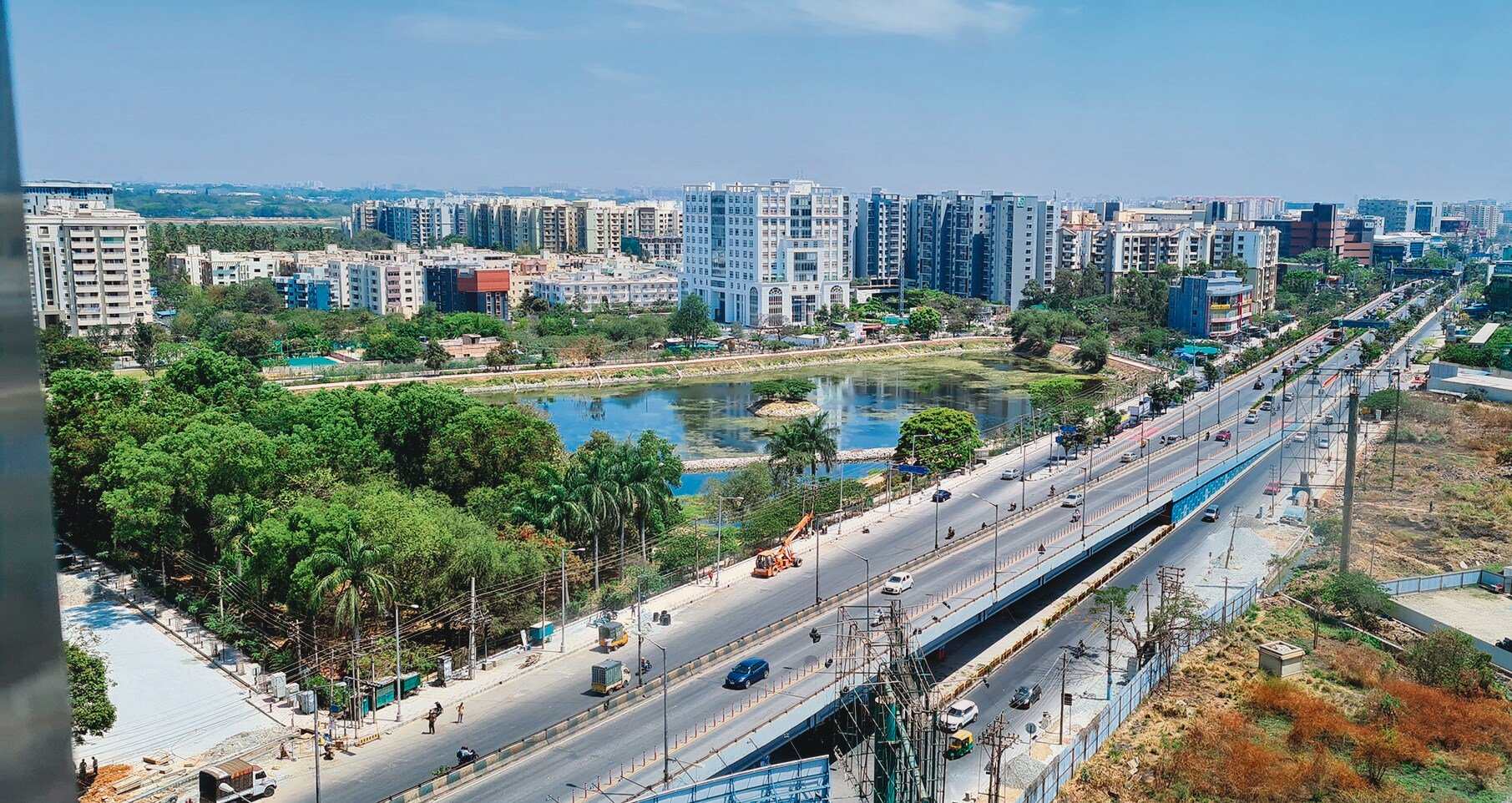
Bengaluru’s newly formed civic corporations are set to present their first budgets later this week, marking a critical step in the city’s transition to a decentralised urban governance framework.
The exercise is expected to outline spending priorities across infrastructure, public services, and local development, with implications for how India’s technology capital manages growth pressures.The budgets, scheduled across multiple corporations, come at a time when urban local bodies are grappling with revenue constraints and rising service demands. Officials indicate that allocations will focus on essential sectors such as road maintenance, waste management, water supply, and stormwater infrastructure—areas that directly affect quality of life in rapidly expanding urban zones.Urban planners view the civic budgets as a test of Bengaluru’s shift towards more localised governance. By dividing the city into multiple administrative units, authorities aim to improve responsiveness and tailor solutions to neighbourhood-specific needs. However, experts caution that decentralisation must be matched with financial autonomy and institutional capacity to be effective.A key concern surrounding the civic budgets is the adequacy of revenue streams. Property tax collections, user charges, and state transfers form the backbone of municipal finances, yet these sources often fall short of funding large-scale infrastructure requirements. Analysts note that without structural reforms, including improved tax compliance and diversified revenue models, cities may struggle to meet long-term development goals.
The budgeting process also has significant implications for Bengaluru’s real estate and infrastructure sectors. Public investment decisions influence land values, connectivity, and development patterns across the metropolitan region. Industry observers highlight that clear and consistent budget priorities can provide greater certainty for investors, particularly in areas such as transit-oriented development and affordable housing.Sustainability is expected to be an emerging theme within the civic budgets. With increasing climate risks, including flooding and heat stress, urban local bodies are under pressure to allocate resources towards resilience-building measures. This includes investments in green infrastructure, improved drainage systems, and energy-efficient public services. Experts argue that integrating climate considerations into budgeting is essential for future-proofing the city.The civic budgets also carry a social dimension. Allocation decisions will determine the extent to which services reach underserved communities, influencing inclusivity in urban development. Access to basic amenities such as sanitation, housing support, and public health infrastructure remains uneven across the city, making equitable distribution of resources a key challenge.
As Bengaluru’s corporations prepare to present their budgets, the focus will be on whether the plans can balance immediate service delivery needs with long-term urban transformation goals. The effectiveness of this new governance model will depend on how well financial planning aligns with the city’s aspirations for sustainable, inclusive, and resilient growth.
Also Read:Chennai Science Outreach Event Promotes Urban Knowledge Growth
