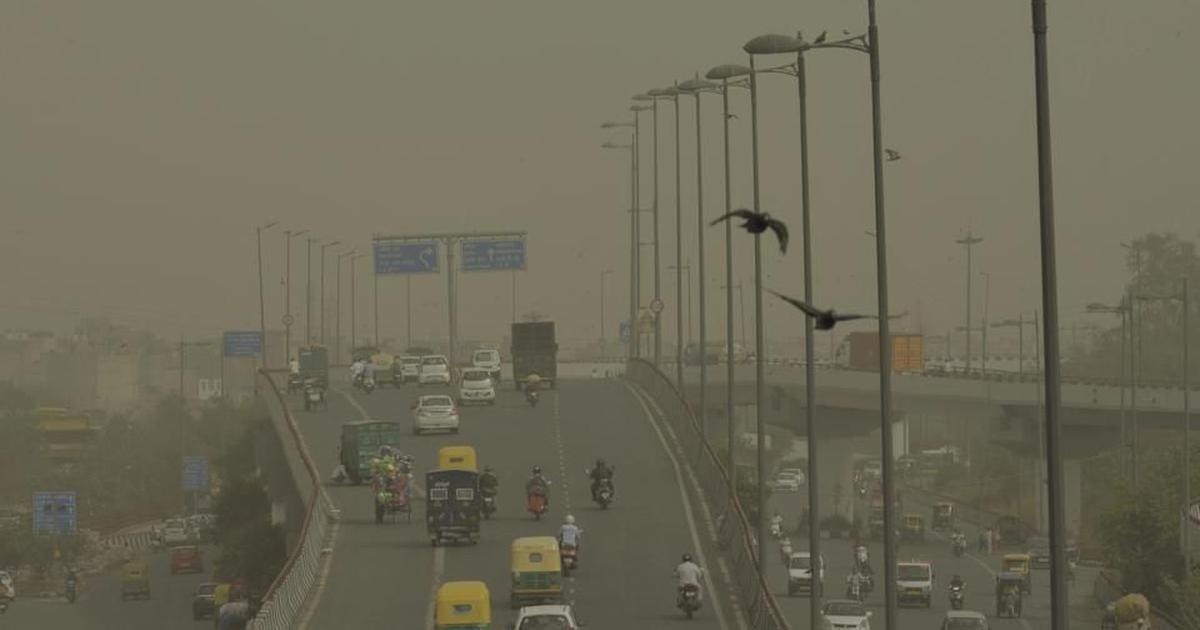
Delhi has significantly scaled up its environmental spending, allocating over one-fifth of its annual budget to tackle persistent air and water pollution challenges. The move positions the Delhi green budget as a central pillar of the city’s urban development strategy, linking infrastructure upgrades with environmental outcomes in one of the world’s most polluted capitals. The financial outlay reflects a multi-sector approach, combining transport electrification, road redesign, waste management and river restoration. Urban policy experts note that such integrated planning is increasingly essential for cities where environmental stress is closely tied to infrastructure gaps and mobility patterns.
A substantial portion of the Delhi green budget is directed towards reducing road dust, a major contributor to particulate pollution. Investments in large-scale road resurfacing, mechanized sweeping systems and water-spraying infrastructure are expected to improve air quality, particularly along high-traffic corridors. Officials indicate that redesigning road surfaces and maintenance practices can significantly reduce suspended dust levels, which often spike during dry seasons. Public transport and mobility systems also form a key part of the environmental strategy. Funding has been earmarked to accelerate the transition to electric buses and expand mass transit networks, including metro and regional rail corridors. Analysts say shifting commuters from private vehicles to cleaner, shared mobility options remains one of the most effective pathways to cut urban emissions while improving accessibility. Water pollution, particularly in the Yamuna, is another major focus area. Budgetary support for river rejuvenation and wastewater management aims to address untreated discharge from drains and urban settlements. Complementary measures such as covering open drains with solar infrastructure and processing organic waste for energy reflect an attempt to link environmental remediation with resource recovery.
Green cover expansion is also being prioritized through large-scale plantation drives and increased funding for forest and biodiversity programmes. Urban ecologists emphasize that native tree species and distributed green spaces can improve air quality, reduce urban heat and enhance climate resilience, especially in dense neighbourhoods with limited open areas. Solid waste management capacity is set to expand, with additional waste-to-energy infrastructure planned to handle rising volumes of municipal waste. While such facilities can reduce landfill dependence, experts caution that their environmental performance will depend on stringent emission controls and improved segregation at source. Institutional capacity is another area receiving attention. Investments in monitoring systems and real-time pollution tracking are expected to strengthen enforcement and data-driven decision-making, which has historically been a challenge in managing complex urban ecosystems.
The broader significance of the Delhi green budget lies in its attempt to embed environmental priorities within mainstream urban spending. As the city continues to grow, aligning infrastructure investment with climate and sustainability goals will be critical. The effectiveness of this approach will ultimately depend on execution, coordination across agencies and the ability to deliver measurable improvements in air and water quality over time.