


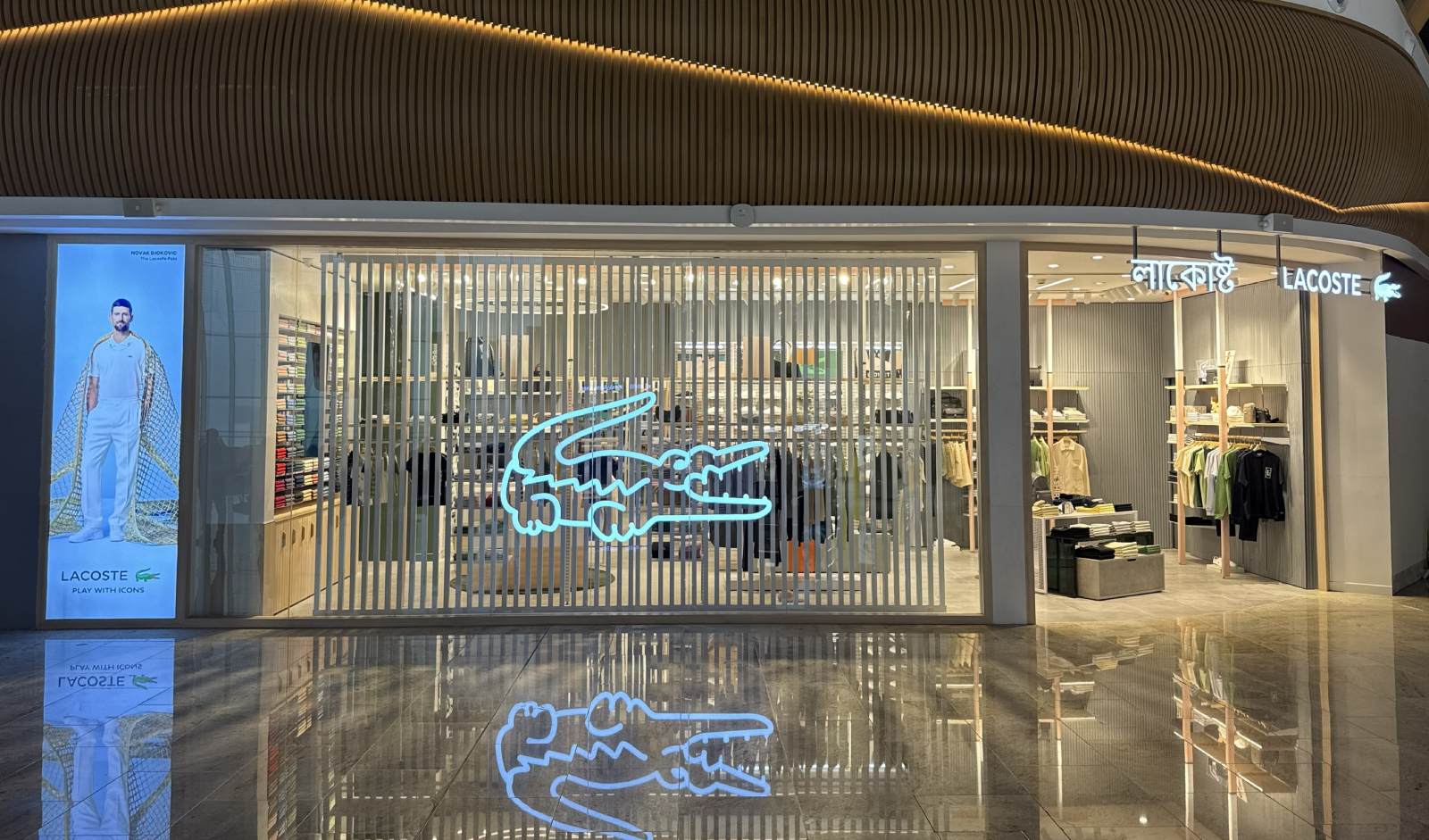
Chennai is witnessing a shift in retail strategy as global brands expand their physical presence through immersive formats, with a new experience-driven store concept highlighting evolving consumer expectations in urban markets.
The Chennai retail experience zone marks a move towards blending product display with interactive engagement, reflecting broader changes in how retail spaces are designed and utilised.Located within a prominent commercial hub, the Chennai retail experience zone is positioned as more than a conventional store. It is designed to allow customers to explore products through guided demonstrations, hands-on trials, and curated interactions. This format aligns with a growing trend where physical retail is being reimagined as an experiential destination rather than a purely transactional space.Industry experts suggest that the rise of the Chennai retail experience zone is linked to changing consumer behaviour in metropolitan cities. With online retail offering convenience, brick-and-mortar outlets are increasingly focusing on differentiated experiences to attract footfall. Interactive environments not only enhance customer engagement but also build brand loyalty, particularly in high-value product categories.From an urban development perspective, such formats contribute to the transformation of commercial real estate. Malls and high-street locations are adapting to accommodate experiential retail, which often requires flexible layouts, digital integration, and enhanced infrastructure.
The Chennai retail experience zone reflects how retail spaces are evolving to remain relevant in competitive urban environments.The economic implications are notable. Experience-led retail models can drive higher dwell times and increased spending, benefiting not only brands but also surrounding businesses. Retail clusters that incorporate such concepts often see improved visitor retention, contributing to the overall vitality of commercial districts.Urban planners also point to the role of experiential retail in shaping inclusive public spaces. Well-designed retail environments can serve as community hubs, offering safe and accessible spaces for diverse groups of people. This aligns with broader goals of creating people-centric urban areas that support both economic activity and social interaction.Sustainability considerations are increasingly influencing retail design as well. The Chennai retail experience zone is part of a wider industry shift towards energy-efficient lighting, optimised spatial planning, and reduced environmental impact. While these elements may not always be visible to consumers, they play a role in advancing climate-resilient urban infrastructure.
As Chennai continues to expand as a retail and commercial centre, the emergence of formats like the Chennai retail experience zone signals a deeper transformation in how cities approach consumption, space, and engagement. The success of such initiatives will likely shape future retail investments, encouraging a balance between digital convenience and physical experience in India’s urban economy.
Also Read:Chennai LPG Supply Crisis Disrupts Urban Businesses
