


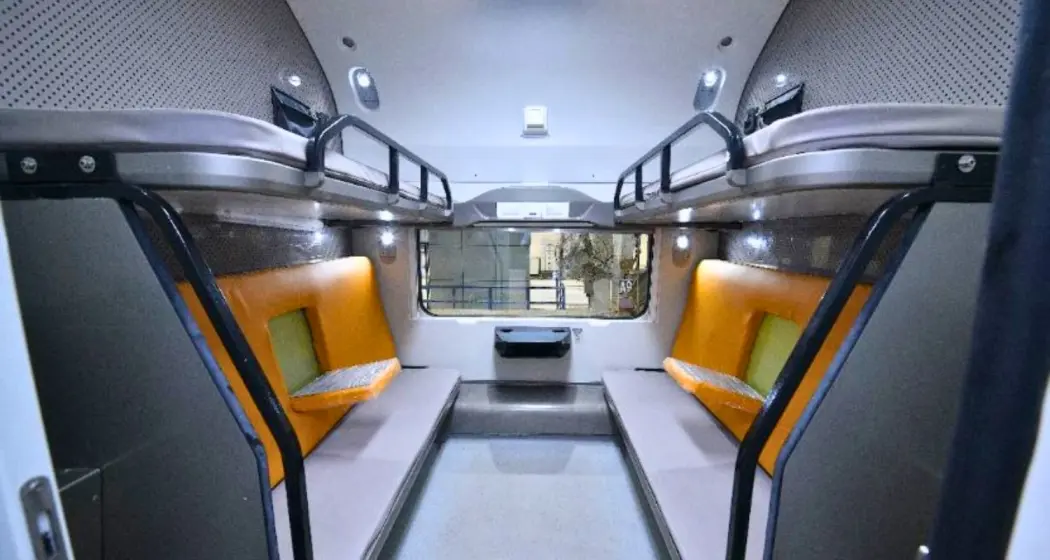
Plans to introduce a sleeper version of the Vande Bharat train service between Kolkata and Guwahati are signalling a shift in how long-distance rail travel is being reimagined across eastern India.
The proposed upgrade aims to enhance overnight connectivity between two major urban centres, with implications for regional mobility, economic integration, and sustainable transport infrastructure.The Kolkata sleeper Vande Bharat service is expected to cater to a growing segment of intercity travellers seeking faster and more comfortable alternatives to conventional long-distance trains. Unlike existing chair-car variants designed for short routes, the sleeper configuration is intended to support extended journeys, potentially reducing travel time while maintaining higher service standards.For cities like Kolkata, which function as economic and cultural gateways to eastern and northeastern India, improved rail connectivity plays a critical role in strengthening trade, tourism, and labour mobility. Guwahati, as a key urban hub in the northeast, stands to benefit from more efficient links that can facilitate movement of goods and people across state boundaries.Transport analysts suggest that the introduction of a Kolkata sleeper Vande Bharat service aligns with broader national efforts to modernise rail infrastructure and reduce dependence on road and air travel for medium-distance routes. Electrified rail systems, particularly high-efficiency trainsets, are increasingly being positioned as lower-emission alternatives, supporting climate-resilient transport strategies.The economic impact of such connectivity upgrades can be substantial. Faster rail links can shorten supply chains, improve access to markets, and encourage business travel.
For smaller towns along the corridor, improved connectivity often translates into greater inclusion in regional growth networks, enabling more balanced urban development.However, experts caution that infrastructure readiness will be key to the success of the Kolkata sleeper Vande Bharat rollout. Upgrading tracks, signalling systems, and station facilities to handle higher speeds and advanced trainsets requires coordinated investment and execution. Without these supporting improvements, the full benefits of next-generation trains may not be realised.There are also considerations around affordability and accessibility. While premium train services offer enhanced comfort, ensuring that pricing remains inclusive will be important in maintaining equitable access to improved mobility options. Public transport systems that cater only to higher-income segments risk widening existing inequalities in urban and regional connectivity.From an urban planning perspective, enhanced rail links between Kolkata and Guwahati could influence migration patterns, tourism flows, and real estate development along the corridor. Improved accessibility often drives demand for housing, commercial spaces, and logistics infrastructure in connected regions.
As authorities move forward with plans for the Kolkata sleeper Vande Bharat service, the focus will likely remain on balancing speed, sustainability, and inclusivity. If executed effectively, the initiative could mark a significant step towards building a more integrated and low-carbon transport network across eastern India.
Also Read:Kolkata Metro Delay Disrupts Esplanade Station Work
