


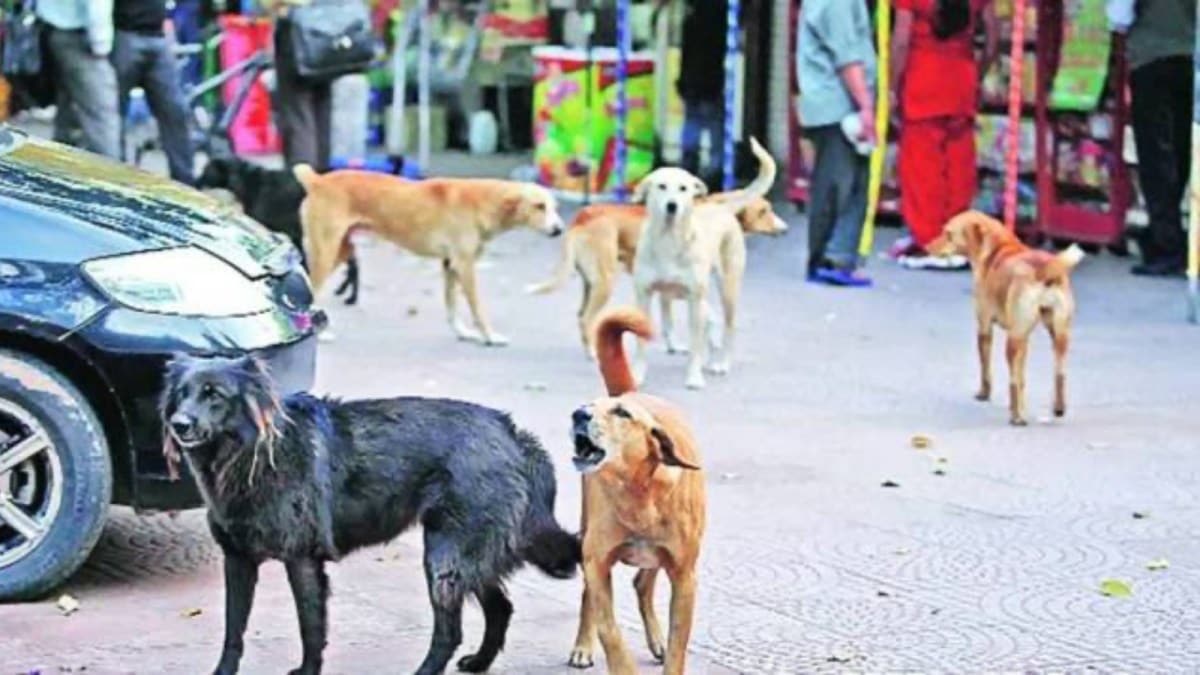
A shift in feeding practices for stray animals across Kolkata is revealing how disruptions in urban resource systems can ripple into unexpected areas of city life.
Animal feeders in several neighbourhoods are increasingly moving away from cooked meals towards dry food and alternative preparation methods, reflecting rising constraints linked to fuel access and affordability.The Kolkata stray feeding shift comes at a time when many households and small-scale community caregivers are grappling with changes in cooking patterns. Traditionally, cooked rice and meat scraps formed the backbone of informal stray feeding networks. However, with cooking fuel becoming less accessible or more expensive in recent weeks, feeders are adapting by opting for packaged dry food or reducing reliance on gas-based cooking.This transition, while practical, has broader implications for how cities manage informal care systems that operate outside formal governance structures. Stray animal feeding in Kolkata is largely sustained by citizen-led efforts, often filling gaps in municipal animal welfare programmes. When these networks face constraints, the impact extends to animal health, urban sanitation, and community relationships.Urban planners note that such micro-level disruptions often signal deeper vulnerabilities in city systems. The Kolkata stray feeding shift is not just about animal care—it reflects how dependent urban routines are on stable access to essential services like energy.
When these systems are stressed, even voluntary and welfare-driven activities must adjust, sometimes at the cost of consistency and quality.There are also environmental considerations. A move towards packaged dry food could increase plastic waste, particularly in areas already struggling with solid waste management. Conversely, reduced cooking may lower household emissions in the short term, though experts caution that such shifts are reactive rather than part of a planned transition towards low-carbon urban living.Social dynamics are also evolving. Feeding strays often serves as a point of community interaction and shared responsibility. Changes in feeding methods—or reduced frequency—can alter these informal networks, potentially leading to tensions in neighbourhoods where animal presence is already a contested issue.Officials and animal welfare stakeholders are understood to be monitoring the situation, with some advocating for structured support systems such as designated feeding zones, subsidised supplies, or integration with broader urban welfare programmes. However, the current scenario highlights the absence of a formal framework to support citizen-led initiatives that contribute to urban ecological balance.
As Kolkata continues to navigate pressures on infrastructure and resources, the adaptability of its residents remains evident. Yet, the Kolkata stray feeding shift underscores a larger question for city governance: how to recognise and support informal systems that play a critical role in maintaining humane and sustainable urban environments.
Also Read:Kolkata Auto Crisis Disrupts Last Mile Connectivity
