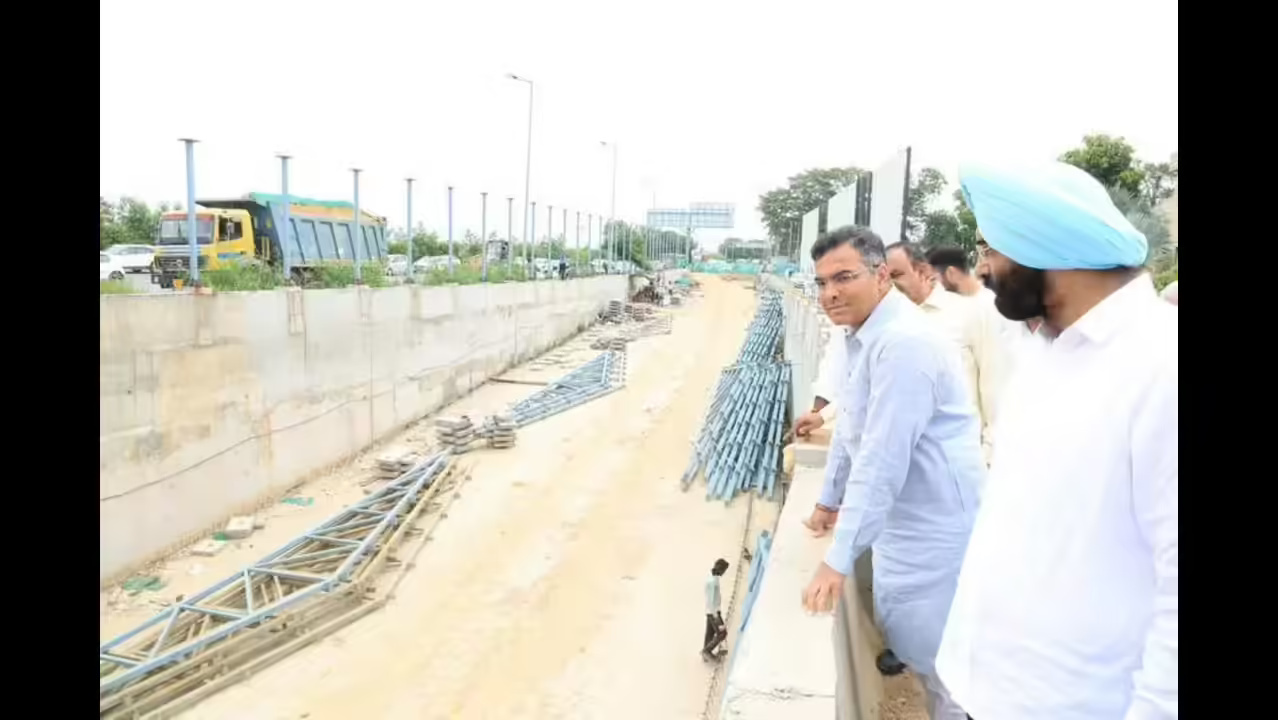
A high-level review of municipal performance in Delhi has placed renewed emphasis on accelerating delivery of essential services, with a focus on waste management, road maintenance and citizen grievance systems. The assessment, led by the Lieutenant Governor with senior representatives from the Municipal Corporation of Delhi, reflects mounting pressure to align infrastructure upkeep with public expectations in a rapidly expanding urban environment. The Delhi civic services review highlighted persistent gaps in execution despite recent improvements in certain areas. Officials were directed to prioritise faster response times to complaints and strengthen mechanisms for addressing issues raised by residents and local communities. Urban governance experts note that effective grievance redressal is increasingly seen as a key metric of city performance, particularly in dense metropolitan regions where service delivery challenges are amplified.
A central concern raised during the discussions was the fragmentation of responsibilities across multiple agencies. Bodies such as the Delhi Development Authority, Delhi Jal Board, Public Works Department and flood control authorities often operate with overlapping mandates. This institutional complexity can lead to delays, duplication of efforts and gaps in accountability, particularly in areas such as road repairs, drainage and waste clearance. Urban planners argue that coordinated governance frameworks are essential for improving efficiency and reducing operational friction. The proposed shift towards a more integrated approach could help streamline decision-making and ensure that infrastructure interventions are executed in a timely and cohesive manner. For residents, this could translate into quicker resolution of everyday issues such as potholes, overflowing waste sites and dust pollution. The Delhi civic services review also underscored the importance of adopting global best practices and technology-driven solutions to address long-standing urban challenges. These may include data-driven monitoring systems, real-time complaint tracking and improved waste processing techniques.
Experts suggest that leveraging such tools can enhance transparency while enabling authorities to respond proactively rather than reactively. Beyond municipal services, the review extended to public health infrastructure, with a focus on improving institutional capacity and aligning training systems with international standards. Strengthening healthcare facilities and workforce capabilities is seen as integral to building resilient cities, particularly in the face of growing population pressures and evolving public health risks. From a broader urban development perspective, the meeting signals a governance-led approach to improving quality of life in the capital. While infrastructure investments remain critical, the effectiveness of these investments depends on day-to-day service delivery and maintenance. Ensuring that roads remain functional, waste systems operate efficiently and complaints are addressed promptly is fundamental to sustaining urban growth.
As Delhi continues to scale its infrastructure ambitions, the outcomes of this Delhi civic services review will depend on implementation discipline and inter-agency coordination. The next phase will be defined by whether administrative reforms can translate into visible improvements on the ground, reinforcing trust between citizens and civic institutions.