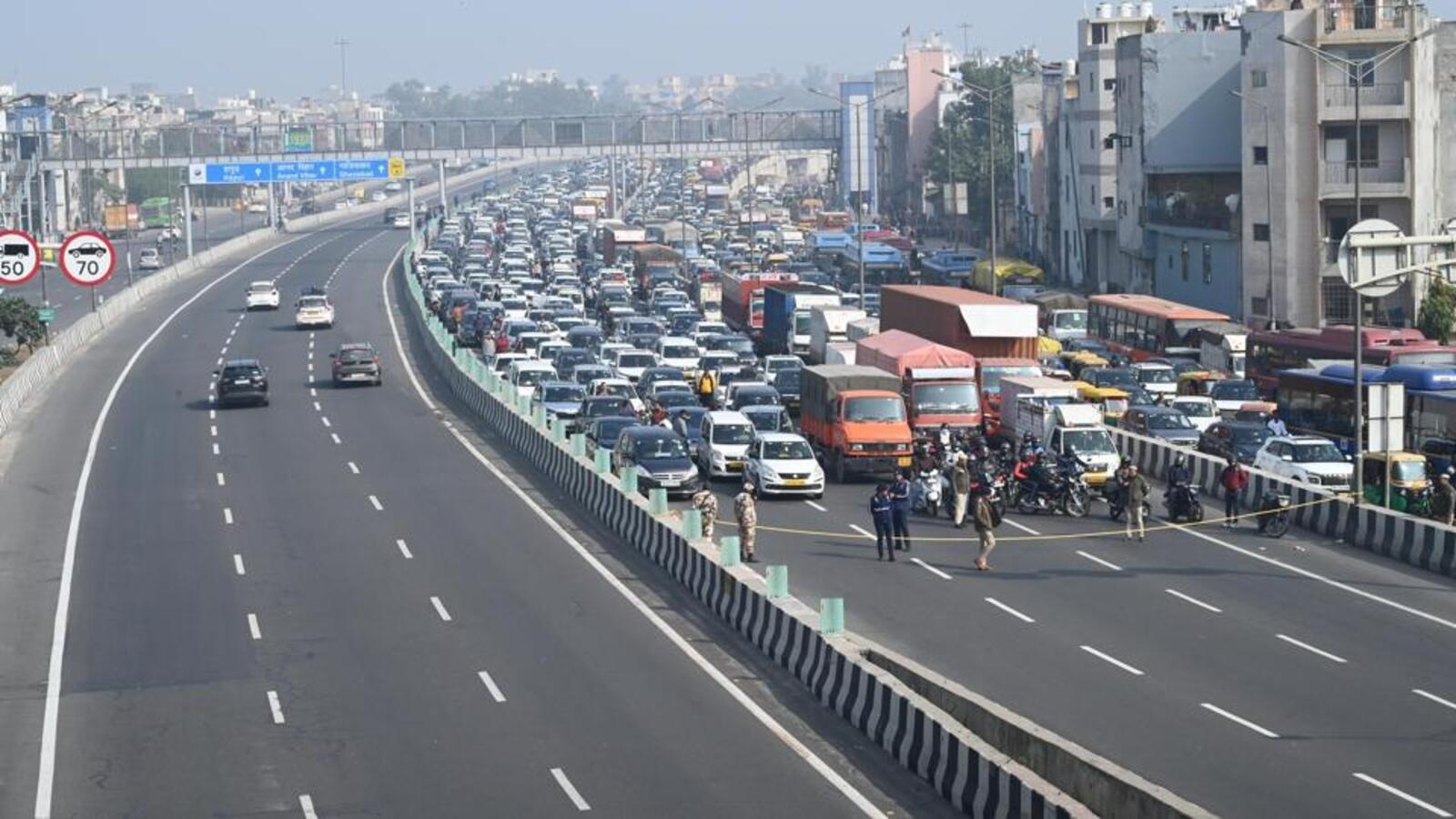
Delhi has outlined an extensive pipeline of road and mobility upgrades in its latest budget, prioritizing congestion relief across high-density corridors through new flyovers, underpasses and road network improvements. The strategy signals a continued reliance on grade-separated infrastructure to manage rising traffic volumes while attempting to strengthen connectivity across residential, commercial and industrial zones. Among the key proposals are new elevated corridors and junction redesigns in South and East Delhi, where bottlenecks routinely disrupt commuter movement. Officials indicate that these projects are designed to streamline traffic at major intersections and reduce travel time along key arterial routes linking neighbourhood hubs and economic centers. Several of these corridors are expected to be completed within the next two to three years, subject to execution timelines.
A significant component of the plan includes expanding existing flyover infrastructure and introducing signal-free stretches along heavily used roads. Transport planners note that such interventions can improve vehicular flow in the short term, particularly in areas where road widening is constrained by dense urban development. However, they also caution that without parallel investment in public transport and non-motorised mobility, these measures may offer only temporary relief. The budget also allocates funding to revive long-delayed infrastructure projects, including a major elevated corridor intended to improve cross-city connectivity. This corridor, once completed, is expected to link peripheral zones with key highways, potentially redistributing traffic away from saturated inner-city routes. Industry experts say timely completion of stalled projects could yield immediate economic benefits by reducing logistics costs and improving commute efficiency. Beyond flyovers and underpasses, the financial plan includes allocations for drainage upgrades, industrial area road improvements and new pedestrian infrastructure such as foot overbridges.
These elements highlight a broader attempt to address urban resilience challenges, particularly waterlogging and safety concerns, which frequently disrupt mobility during extreme weather events. Investments in LED street lighting and surveillance systems also point to an integrated approach to safety and energy efficiency in public spaces. Urban development specialists emphasise that while large-scale road infrastructure can support economic activity, future-ready cities must balance such investments with sustainable transport solutions. Integrating bus priority lanes, cycling infrastructure and pedestrian-friendly design could help reduce long-term dependence on private vehicles and align with climate-responsive planning goals. The Delhi infrastructure budget reflects a dual approach—accelerating construction-led mobility solutions while beginning to address gaps in urban services. Its success, however, will depend on execution quality, coordination across agencies and the ability to embed sustainability into traditionally car-centric planning models.
As Delhi continues to expand, the effectiveness of these investments will be measured not just by faster commutes, but by how well they support inclusive, resilient and efficient urban growth.