Municipal Corporation Of Delhi Pushes Project Transparency
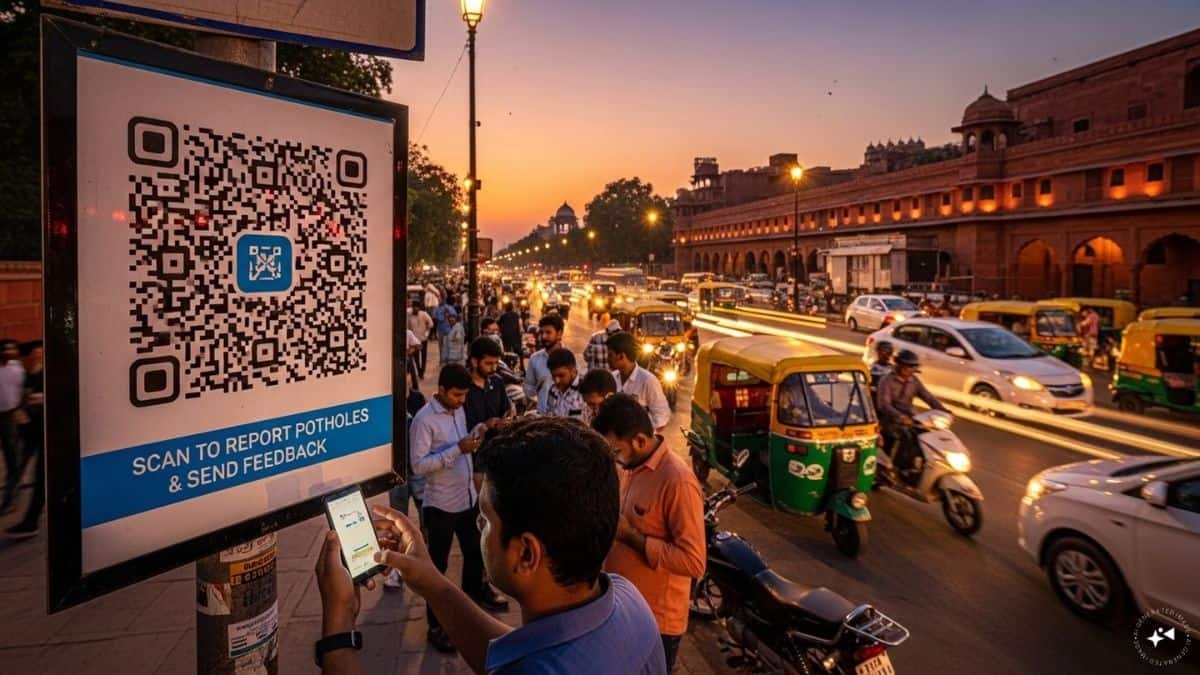
In a move aimed at improving accountability in public works, the Municipal Corporation of Delhi has introduced mandatory on-site disclosure systems for infrastructure projects exceeding ₹10 lakh. The directive requires physical display boards and QR codes at construction sites, signalling a shift towards greater transparency in urban development as the capital prepares for expanded infrastructure spending. Under the new framework, all eligible projects must install weather-resistant boards in visible public areas, detailing key information such as project scope, costs, timelines, contractors, and responsible engineers. The QR codes will allow citizens to access digital records of work orders, reducing dependence on bureaucratic processes to obtain project-related data. Officials indicate that compliance will be embedded into future tender conditions and monitored through routine site inspections.
The initiative reflects a broader push to digitise governance within India’s urban infrastructure ecosystem. As cities scale up investments, especially in roads, drainage, and pollution control, the ability to track execution becomes critical for both fiscal discipline and citizen trust. Urban planners note that accessible project information can deter cost overruns, delays, and substandard work—persistent challenges in municipal contracting. For residents, the change could simplify engagement with civic projects that directly affect neighbourhoods. Traditionally, accessing such details has required formal applications or lengthy administrative procedures. By placing data in the public domain, authorities aim to empower communities, including resident welfare associations, to monitor progress and flag discrepancies in real time. However, implementation remains a key concern. Industry observers point out that similar transparency measures have struggled in the past due to poor maintenance of signage, lack of standardisation, or deliberate obstruction.
Ensuring that QR codes remain functional and boards are not damaged or obscured will determine whether the system delivers meaningful outcomes. The policy also carries implications for contractors and developers. With installation costs assigned to executing agencies, the requirement introduces an additional compliance layer. More importantly, it increases public scrutiny, potentially influencing contractor behaviour and encouraging adherence to timelines and quality benchmarks. This development comes as Delhi’s civic administration anticipates higher capital expenditure in the coming financial year, particularly in local road networks and environmental management. Embedding transparency tools like the MCD QR code projects system within this expansion could strengthen governance frameworks and improve service delivery outcomes.
Looking ahead, experts suggest that integrating these QR systems with centralised digital dashboards or open data portals could further enhance usability, especially for those less familiar with scanning technology. As cities move towards smarter and more inclusive infrastructure models, the effectiveness of such measures will depend not just on policy design, but on consistent execution at the ground level.