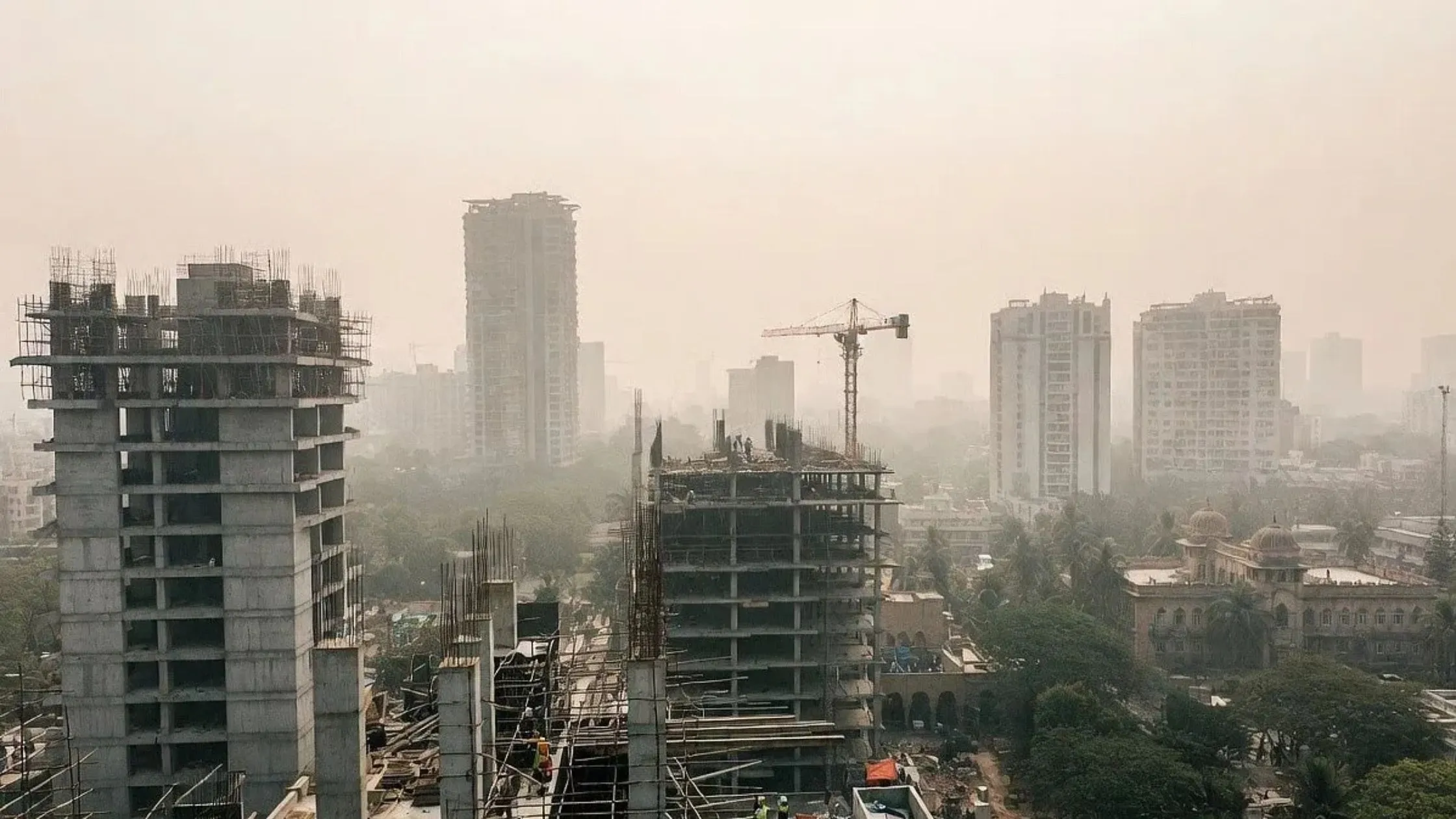
Indore Construction Costs Rise Amid Material Price Surge
Construction activity in Indore is facing renewed cost pressures as global supply disruptions linked to the West Asia conflict drive up prices of key building materials, adding to the financial strain on housing and infrastructure projects.Recent estimates indicate that the cost of materials such as plywood, steel, aluminium, and interior fittings has risen by 10–12% over the past few weeks. The increase is being attributed to supply chain disruptions and higher input costs triggered by geopolitical tensions affecting energy markets and trade routes.
The Indore construction cost rise reflects a broader pattern emerging across Indian cities, where global uncertainties are increasingly influencing local building economics. Materials linked to energy-intensive production processes—particularly metals and engineered wood—are among the most affected, as rising fuel costs and freight charges ripple through supply chains.For developers and contractors, the impact is immediate. Projects that were budgeted earlier are now facing cost overruns, forcing recalibration of pricing strategies and, in some cases, delays in execution. Industry professionals note that smaller developers and contractors are particularly vulnerable, given their limited ability to absorb sudden cost escalations.The housing sector is expected to feel the effects more acutely in mid-income and affordable segments. As input costs rise, developers may pass on a portion of the increase to buyers, potentially affecting affordability in a market that is already sensitive to price changes. In premium segments, while demand may remain relatively stable, margins could come under pressure.
Urban planners highlight that the Indore construction cost rise is not just a short-term issue but part of a larger structural challenge. Increasing dependence on global supply chains for critical materials makes cities more vulnerable to external shocks. This has implications for project timelines, cost predictability, and long-term planning.The situation is also prompting a reassessment of construction practices. Developers are exploring alternatives such as material substitution, value engineering, and more efficient design approaches to manage rising costs. There is also growing interest in locally sourced materials and sustainable construction techniques that reduce reliance on imported or energy-intensive inputs.
At the same time, the surge in material prices underscores the interconnected nature of global and local economies. Events in distant regions can have direct consequences for urban development, influencing everything from housing affordability to infrastructure delivery.From a policy perspective, experts suggest that improving domestic manufacturing capacity and strengthening supply chain resilience could help mitigate such risks in the future. Encouraging innovation in building materials and promoting circular construction practices may also play a role in stabilising costs over the long term.Despite the current pressures, demand fundamentals in Indore remain supported by ongoing urbanisation and housing needs. However, the evolving cost environment is likely to influence how projects are planned, priced, and executed in the coming months.
As cities continue to grow, managing cost volatility while maintaining quality and sustainability will be critical. The Indore construction cost rise serves as a reminder that resilient urban development depends not only on demand, but also on stable and adaptive supply systems.