Nagpur Revenue Growth Driven By Mining Collections
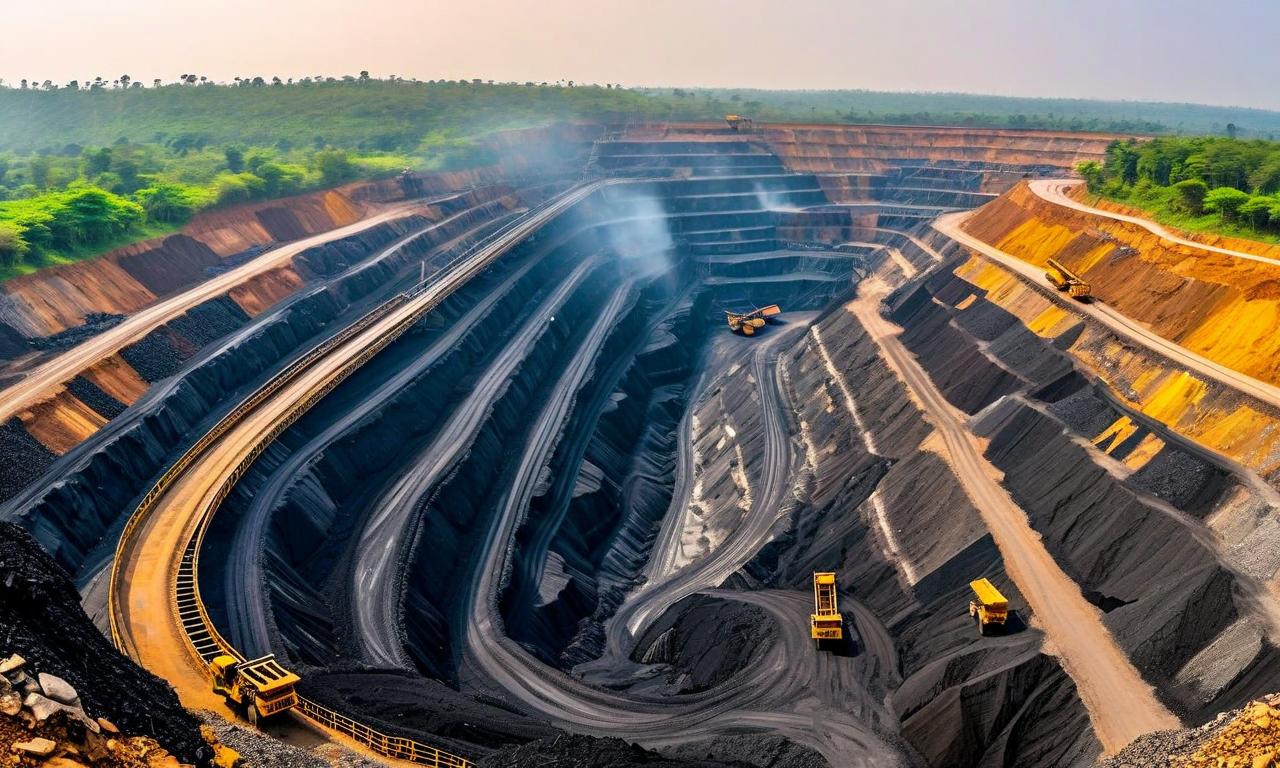
Odisha has emerged as the central pillar of India’s mineral economy, with its mining sector driving a significant share of national output and shaping the trajectory of industrial and infrastructure growth across the country.Recent industry assessments show that Odisha accounts for over 38% of the total value of mineral production in FY2026, underlining its dominance in the sector. The state’s contribution spans multiple critical resources, including iron ore, coal, bauxite, and chromite—materials that form the backbone of construction, energy, and manufacturing industries.
The scale of production highlights the depth of Odisha’s resource base. Iron ore output reached around 155 million tonnes in FY2025, accounting for more than half of India’s total production. Coal output stood at approximately 237 million tonnes, representing nearly a quarter of national supply. These figures position the state as a key supplier for sectors ranging from steel and power to infrastructure development.Beyond sheer volume, Odisha’s importance lies in its integration with the broader economy. The mining sector contributes close to 14% of India’s mining gross value added, making it the largest contributor among all states. For the state itself, mining forms a substantial share of economic activity, reflecting a deeper dependence compared to more diversified industrial regions.This concentration of resources has helped position eastern India as a critical growth corridor. Along with Jharkhand and Chhattisgarh, Odisha forms a mineral-rich belt that supports India’s expanding steel capacity, energy production, and infrastructure pipeline. Industry experts note that this regional clustering improves supply chain efficiency by reducing transportation distances between mines and industrial hubs.
The implications for urban and infrastructure development are significant. Materials sourced from Odisha feed into large-scale projects such as highways, rail corridors, housing, and industrial zones across the country. As India accelerates urbanisation, the reliability of supply from such mining hubs becomes essential to maintaining construction timelines and cost stability.At the same time, the state is beginning to shift its focus from extraction-led growth to value-added industrialisation. Policymakers are encouraging downstream industries, including metal processing and manufacturing, to ensure that a greater share of economic value is retained locally. This transition reflects a broader strategy to move beyond raw material exports towards integrated industrial ecosystems.However, the rapid expansion of mining activity also raises sustainability challenges. Environmental compliance, land use management, and community impacts remain critical concerns, particularly in ecologically sensitive regions. Recent regulatory interventions in mining practices underscore the need for stronger monitoring and responsible extraction.Looking ahead, Odisha’s role in India’s mining economy is expected to deepen further as demand for raw materials rises alongside infrastructure and industrial growth. At the same time, the state’s transition towards value addition and sustainable practices will be crucial in determining how equitably and efficiently this growth is distributed.
For India’s urban future, the trajectory of resource-rich regions like Odisha will play a defining role—not just in supplying materials, but in shaping a more resilient and balanced model of industrial development.