


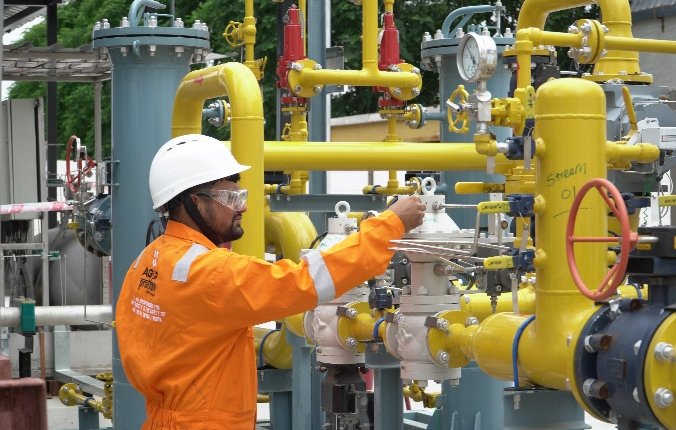
Surat is accelerating its transition toward cleaner urban energy systems by fast-tracking gas pipeline infrastructure to support a shift from liquefied natural gas (LNG) to piped natural gas (PNG). Civic authorities have introduced a rapid approval mechanism and permitted round-the-clock work to expedite the expansion of the city’s gas distribution network. Officials overseeing the initiative say the Surat LNG to PNG transition is aimed at improving access to cleaner fuel for residential, commercial and industrial users. By streamlining approvals and enabling continuous construction activity, the city is seeking to reduce project timelines and accelerate energy infrastructure rollout.
Urban energy experts note that PNG offers several advantages over cylinder-based fuel systems. It provides a continuous and reliable supply of gas, reduces the need for storage and transportation of cylinders, and improves safety by minimising handling risks. The Surat LNG to PNG transition is therefore expected to enhance both efficiency and safety in urban energy use. The move is particularly significant for Surat’s industrial ecosystem, where sectors such as textiles, chemicals and engineering rely heavily on fuel for production processes. Access to piped gas can improve operational efficiency while reducing emissions associated with conventional fuels. Infrastructure planners say the decision to allow 24-hour work reflects the urgency of expanding utility networks in rapidly growing cities. Continuous construction schedules can help minimise delays, especially in projects that involve extensive pipeline laying across busy urban roads. The Surat LNG to PNG transition also aligns with broader climate and sustainability goals. Natural gas, while not a zero-carbon fuel, produces lower emissions compared to coal and liquid fuels, making it a transitional option in the move toward cleaner energy systems. Urban planners highlight that integrating gas pipelines into dense city environments requires careful coordination with existing infrastructure, including roads, water lines and electrical systems. Night-time and continuous work schedules can reduce disruption to daily urban life while allowing projects to progress efficiently. From a governance perspective, the introduction of faster approval processes reflects a shift toward more responsive urban management. Simplified regulatory procedures can help accelerate infrastructure development while maintaining oversight and compliance standards. The Surat LNG to PNG transition is also expected to support the city’s growing residential demand for cleaner cooking fuel. As urban populations expand, piped gas networks can provide a scalable solution for meeting household energy needs. Energy policy analysts note that expanding city gas distribution networks is a key component of India’s broader energy strategy. Increasing the share of natural gas in the energy mix can improve energy security and reduce environmental impact.
For Surat, the initiative represents a coordinated effort to align infrastructure development with sustainability objectives. By combining faster approvals with continuous execution, the city is attempting to create a more efficient pathway for energy transition. In the long term, the success of the Surat LNG to PNG transition will depend on how effectively the expanded network reaches end users and integrates with the city’s broader infrastructure systems. If implemented efficiently, the initiative could enhance both economic productivity and environmental performance in one of India’s most dynamic urban centres.
ALSO READ – Surat Textile Industry Adjusts Operations Amid Global Disruptions
Surat LNG To PNG Shift Accelerates City Energy Transition
