


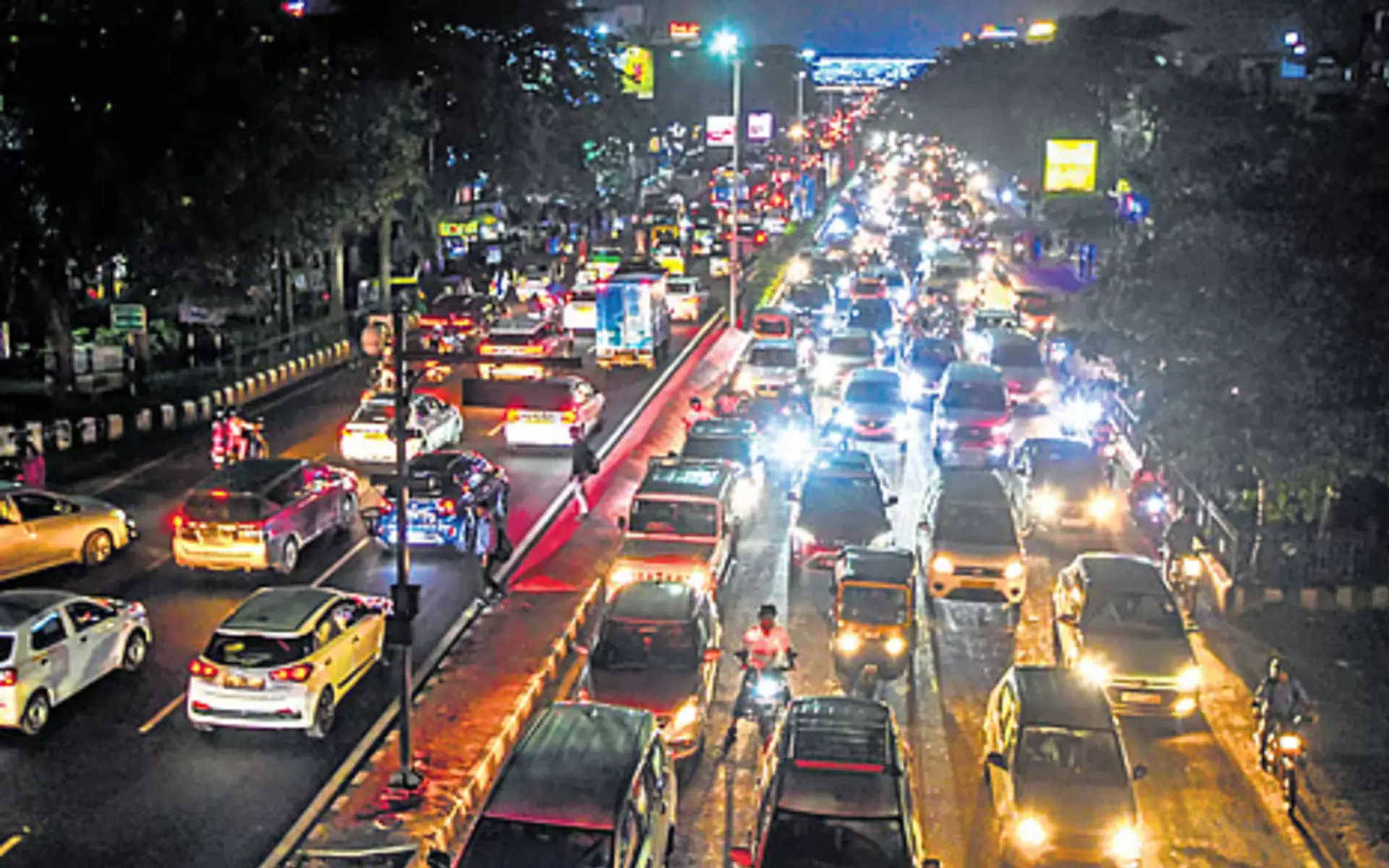
Indore is tightening controls on the movement of heavy vehicles within city limits as authorities look to ease congestion and improve road safety across key urban corridors. New enforcement measures are being introduced to restrict entry of large commercial vehicles during peak hours, particularly in densely populated areas and high-traffic zones. Officials overseeing traffic management say the Indore heavy vehicle restrictions are aimed at reducing congestion on arterial roads where trucks and other large vehicles often slow down traffic flow. By limiting entry during specific time windows, authorities hope to improve mobility for daily commuters and public transport users.
Urban mobility experts note that heavy vehicles can significantly impact traffic efficiency in cities. Their larger size and slower movement often create bottlenecks at intersections and narrow road segments, especially during peak commuting hours. The Indore heavy vehicle restrictions are therefore expected to improve travel time reliability across the city. The move is also linked to road safety concerns. Large vehicles are often involved in serious accidents due to their size, blind spots and longer braking distances. Restricting their presence in high-density urban areas can help reduce the risk of collisions, particularly for pedestrians and two-wheeler riders. Indore has seen rapid growth in vehicle ownership and commercial activity over the past decade, increasing pressure on its road network. As the city expands, balancing freight movement with passenger mobility has become a key challenge for urban planners. The Indore heavy vehicle restrictions are part of a broader strategy to manage traffic more effectively while supporting economic activity. Authorities are encouraging freight operators to use alternative routes or operate during off-peak hours to minimise disruption. Urban planners highlight that managing freight traffic is essential for sustainable urban mobility. Cities must ensure that goods can move efficiently without compromising the safety and convenience of residents. Dedicated freight corridors, logistics hubs and time-based access controls are commonly used solutions in urban transport planning. The restrictions also have environmental implications. Reducing congestion can lower fuel consumption and emissions, contributing to improved air quality in urban areas. However, experts note that long-term solutions should include investment in cleaner freight transport options, such as electric or low-emission vehicles. The Indore heavy vehicle restrictions may also encourage better planning of urban logistics. Businesses may need to adjust delivery schedules and supply chain operations to comply with new rules, potentially leading to more efficient distribution systems. Authorities are expected to monitor the impact of the restrictions and make adjustments based on traffic patterns and compliance levels. Effective enforcement will be key to ensuring that the measures deliver the intended benefits.
For Indore, the initiative represents a step toward more organised and safer urban mobility. As the city continues to grow, managing the interaction between freight and passenger traffic will be essential for maintaining efficient and sustainable transport systems. In the long term, integrating freight planning into urban development strategies will help ensure that economic growth does not come at the cost of congestion and reduced quality of life for residents.
ALSO READ – Indore Heat Surge Intensifies Amid Rising Temperatures
Indore Heavy Vehicle Entry Rules Tighten City Traffic
