


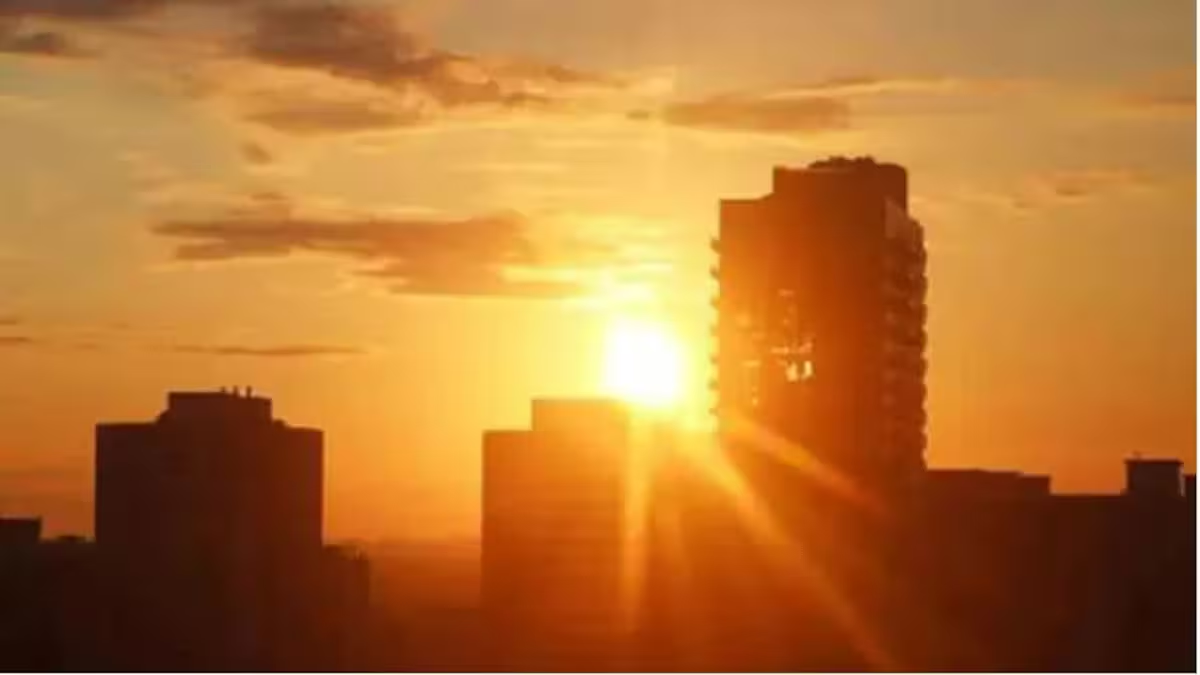
Indore is experiencing a sharp rise in temperatures as clear sky conditions persist, intensifying early summer heat and raising concerns about urban climate resilience. Meteorological assessments indicate that the absence of cloud cover is allowing solar radiation to heat surface areas more rapidly, pushing daytime temperatures higher than seasonal averages. The ongoing Indore rising temperatures trend has begun to affect daily life across the city, with residents reporting discomfort during peak afternoon hours. Weather experts say the current conditions are likely to continue in the near term, with further increases in temperature expected before any significant weather change occurs.
Urban climate specialists note that clear sky conditions often accelerate heat buildup in cities, particularly in densely built environments where concrete and asphalt surfaces absorb and retain heat. The Indore rising temperatures are being amplified by the urban heat island effect, a phenomenon in which cities remain warmer than surrounding rural areas due to high concentrations of buildings and reduced vegetation. Public health experts warn that prolonged exposure to elevated temperatures can pose risks, especially for vulnerable groups such as the elderly, children and outdoor workers. Heat stress can affect productivity, increase energy demand and place additional pressure on urban infrastructure systems. The Indore rising temperatures also have implications for the city’s energy consumption patterns. As temperatures climb, demand for cooling—through air conditioning and refrigeration—typically increases, placing strain on electricity supply systems. Urban planners say addressing rising heat levels requires a combination of immediate and long-term strategies. Short-term measures include public advisories, access to drinking water and shaded spaces, while long-term approaches involve redesigning urban environments to reduce heat absorption. Cities like Indore are increasingly exploring climate-sensitive planning techniques such as increasing green cover, promoting reflective building materials and protecting urban water bodies. These interventions can help reduce surface temperatures and improve thermal comfort. The Indore rising temperatures trend also highlights the broader impact of climate change on urban environments. Rising global temperatures and changing weather patterns are making heat waves more frequent and intense across many parts of India. Infrastructure experts emphasise that climate resilience must be integrated into urban development planning. Buildings, transport systems and public spaces need to be designed to withstand higher temperatures while maintaining functionality and comfort. For Indore, the immediate focus remains on managing the current heat conditions and ensuring that residents are informed about safety precautions. Authorities are likely to monitor temperature trends closely and issue advisories as needed.
As the city continues to grow, the challenge will be to adapt its urban design and infrastructure to cope with increasing heat levels. The ongoing Indore rising temperatures serve as a reminder that climate resilience is becoming a central consideration in the future of urban planning. In the long term, creating cooler, more sustainable urban environments will be essential for maintaining quality of life in rapidly expanding cities like Indore.
ALSO READ – Indore E Rickshaw Regulation Targets Safer Urban Mobility
Indore Heat Surge Intensifies Amid Rising Temperatures
