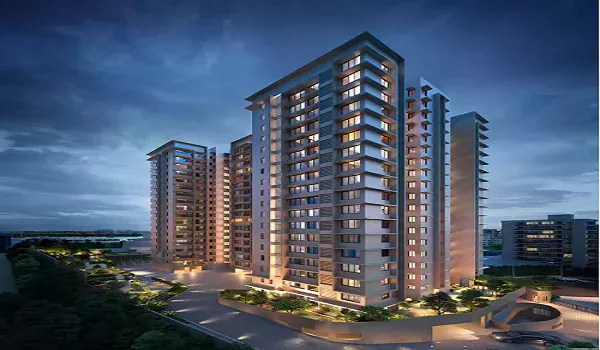
A fresh wave of residential development is unfolding in Bengaluru as Brigade Enterprises unveils a large-scale housing project in the city’s eastern corridor, signalling continued investor confidence in urban housing demand and infrastructure-led growth.
The project, named Brigade Belvedere, spans over 10 acres and is expected to generate more than Rs 1,100 crore in revenue from its initial phase. With over 700 residential units planned, the development targets mid-to-premium homebuyers in a market that continues to see strong absorption despite rising property prices.Urban planners note that East Bengaluru has steadily evolved into a high-demand residential zone due to its proximity to IT hubs, improved connectivity, and social infrastructure. This latest addition reflects how developers are aligning new supply with employment clusters, reducing commute times and shaping more self-sufficient neighbourhoods. However, experts also point out that such expansion must be matched with investments in public transport, water management, and green cover to avoid long-term urban stress.
Industry analysts suggest that large-format housing projects like this are increasingly being designed with integrated amenities and community infrastructure, responding to post-pandemic preferences for live-work-play environments. While this enhances quality of life for residents, it also raises questions around affordability and equitable access, especially in cities where housing gaps persist across income segments. From a market perspective, the scale of expected revenue indicates sustained buyer appetite, particularly in organised developments by established firms. The project also underscores how Bengaluru remains a key driver of India’s residential real estate cycle, supported by a resilient technology sector and inward migration of skilled professionals.
At the same time, sustainability considerations are becoming central to project planning. Urban development specialists highlight the need for energy-efficient building practices, water recycling systems, and climate-responsive design as cities like Bengaluru grapple with resource constraints and environmental pressures. Projects launched at this scale present an opportunity to embed such practices early rather than retrofit them later. As construction activity intensifies across the city, the broader question for policymakers and developers alike is how to balance growth with liveability. The trajectory of developments such as Brigade Belvedere will not only shape housing supply but also influence how inclusive, climate-resilient, and infrastructure-ready Bengaluru’s next phase of urbanisation becomes.