A temporary toll exemption on the Mumbai Pune Expressway has been rolled out for a three-day period to facilitate the annual pilgrimage to a prominent hill shrine near Lonavala, easing travel for thousands of devotees expected to travel along the high-speed corridor.
The move, framed as part of a broader Mumbai Pune Expressway toll waiver, is intended to reduce congestion at toll plazas and streamline vehicular flow during peak pilgrimage days. Authorities anticipate a surge in traffic as large numbers of visitors from Mumbai Metropolitan Region and surrounding districts make the journey over a short time window. Officials indicate that access to the toll exemption will be regulated through designated documentation, ensuring that the benefit is targeted towards pilgrimage-related travel. This approach, while easing costs for devotees, also enables traffic managers to maintain operational control across one of India’s busiest expressways.
In parallel, local administrations in the Lonavala and Maval region have activated a series of traffic management and safety protocols. These include restrictions on heavy vehicles along key approach roads, relocation of temporary roadside vendors to prevent bottlenecks, and enhanced surveillance through CCTV networks. Crowd control measures have also been intensified along the final stretch leading to the shrine, where footfall typically peaks during the event. Urban mobility experts note that targeted interventions such as a Mumbai Pune Expressway toll waiver can help manage episodic traffic spikes, particularly during religious or cultural gatherings. However, they also point out that such measures need to be supported by robust last-mile planning, including parking management, pedestrian safety, and public transport integration.
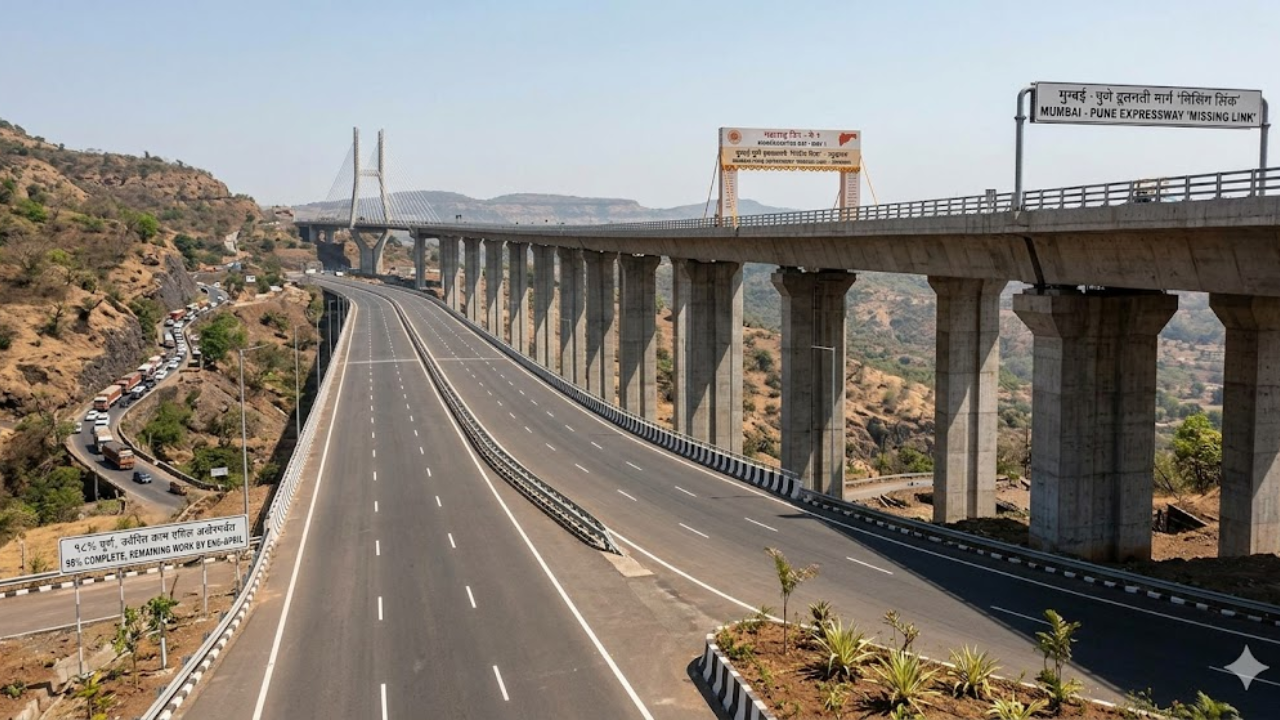
The development comes at a time when the expressway itself is undergoing a significant capacity upgrade. The long-awaited “missing link” project—designed to bypass accident-prone ghat sections and reduce travel time—is nearing completion. Once operational, the new alignment is expected to improve safety, cut travel duration, and reduce fuel consumption, aligning with broader goals of efficient and lower-emission transport corridors. From an infrastructure standpoint, the expressway remains a critical economic artery connecting Mumbai and Pune, supporting logistics, tourism, and regional trade. Temporary toll relaxations, while limited in duration, highlight the flexibility required in managing high-demand corridors that serve both daily commuters and seasonal travellers.
As traffic volumes continue to rise across intercity routes, experts suggest that future planning must integrate dynamic pricing, digital tolling, and demand-responsive traffic systems to balance efficiency with accessibility. For now, authorities are urging travellers to adhere to traffic advisories, maintain lane discipline, and plan journeys in advance to ensure safe and smooth movement during the high-footfall period.
Mumbai Pune Expressway Offers Toll Relief Till March 26