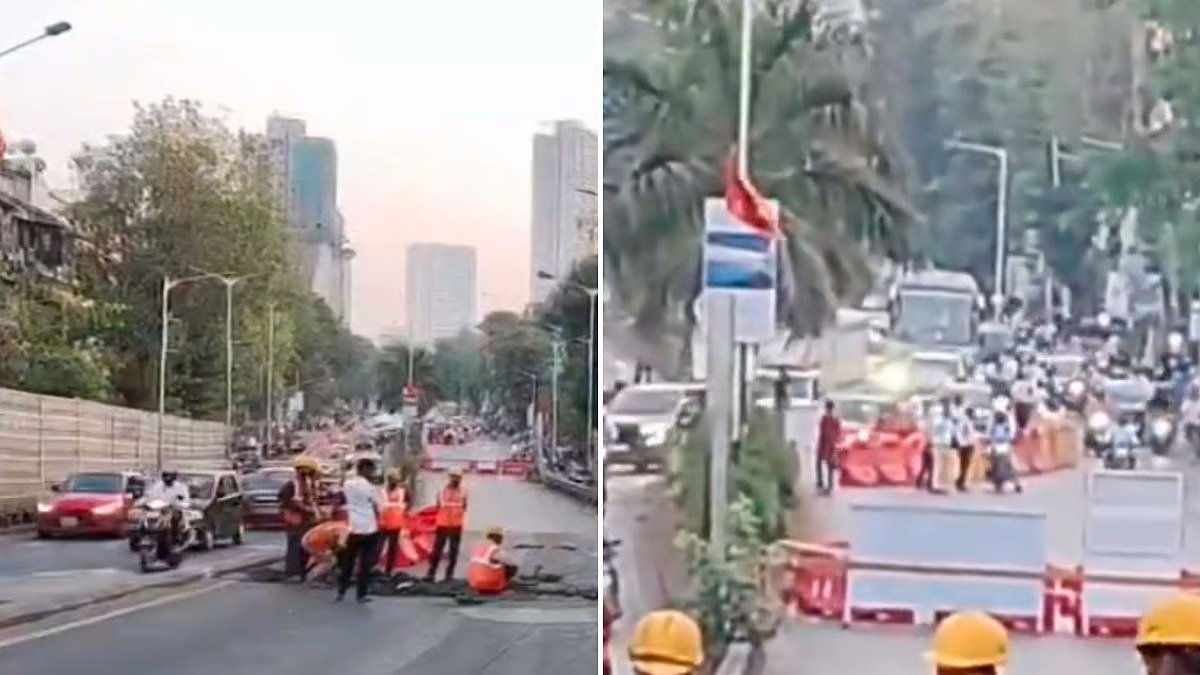
Mumbai’s central transport network is set for significant disruption as authorities begin phased repair work on a key flyover corridor at Parel, introducing extended traffic restrictions and diversions that will remain in place through the end of May. The intervention is aimed at strengthening ageing road infrastructure but is expected to affect daily commutes across some of the city’s busiest arterial routes.
The planned shutdown forms part of a broader Mumbai traffic diversions strategy designed to manage vehicular movement during essential maintenance on the flyover connecting Parel TT and Hindmata. Officials indicate that the repairs involve structural concreting and surface upgrades, necessary to extend the life of the corridor and improve long-term safety. The traffic plan has been divided into two phases to minimise disruption while allowing uninterrupted construction. In the first phase, the northbound carriageway will remain inaccessible for over a month, followed by a similar closure of the southbound stretch in the subsequent phase. During this period, vehicles will be rerouted through a combination of slip roads and the opposite carriageway, depending on the time of day.
Transport planners highlight that such time-based routing is increasingly being adopted in dense urban corridors to balance peak-hour demand. Evening traffic flows, particularly towards Matunga and Dadar, are expected to see heavier congestion, prompting authorities to allow selective use of alternate lanes during high-demand hours. The Mumbai traffic diversions are likely to have a cascading impact on surrounding roads, including Dr Babasaheb Ambedkar Road and key junctions at Parel and Hindmata. Commuters travelling between South Mumbai, Byculla, and the central suburbs may face longer travel times, especially during peak hours.
Urban mobility experts note that while temporary disruptions are unavoidable during infrastructure upgrades, they also reveal the strain on Mumbai’s limited road network. With high vehicular density and limited redundancy in arterial routes, even partial closures can significantly affect citywide traffic patterns. From a long-term perspective, the repair work underscores the need for sustained investment in maintaining existing infrastructure alongside building new assets. Ageing flyovers across Mumbai require periodic reinforcement to meet evolving load demands and ensure commuter safety.
The situation also highlights the importance of integrating real-time traffic management systems and public communication tools. Experts suggest that dynamic navigation updates, improved signage, and better coordination with public transport services can help mitigate the impact of such large-scale diversions. As the repair work progresses, authorities are urging commuters to plan travel in advance and consider alternative routes where possible. The effectiveness of the Mumbai traffic diversions strategy will ultimately depend on how well traffic flows are managed during peak hours and how quickly normal conditions can be restored once the upgrades are complete.
Mumbai Traffic Diversions Announced For Parel TT Flyover Repairs