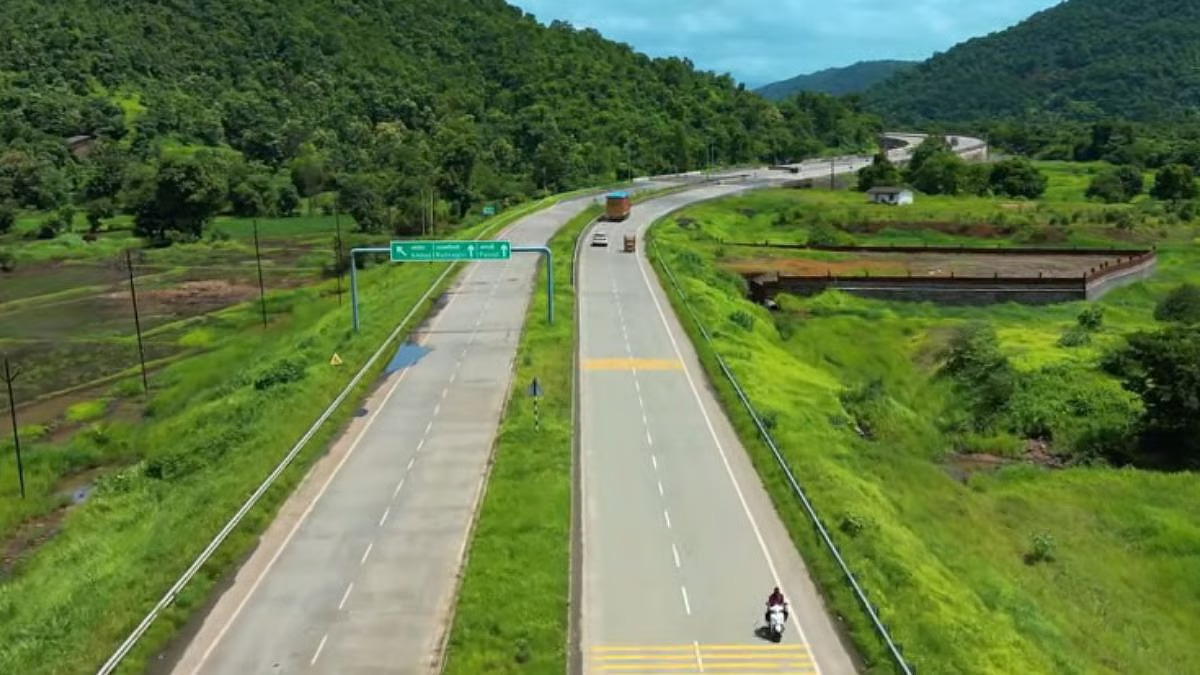
The long-pending Mumbai Goa Highway is approaching completion, with authorities setting a fresh two-month timeline to finish the remaining work. The corridor, which links Mumbai with the Konkan belt, is now reported to be in its final phase, marking a crucial step for regional connectivity, tourism, and economic activity along India’s western coast.
Officials overseeing the project indicate that construction has crossed the 90 per cent mark, with only select stretches requiring final execution and clearances. A senior government functionary is expected to undertake a field review in early April to assess on-ground readiness and identify bottlenecks that could affect the revised deadline. The Mumbai Goa Highway has faced prolonged delays over the years, largely due to land acquisition challenges and uneven contractor performance. Infrastructure experts note that fragmented land parcels and resistance in certain pockets slowed progress, while some construction packages required reassignment to ensure timely delivery. Such hurdles are common in linear infrastructure projects, particularly those passing through densely populated and environmentally sensitive zones.
Another recurring challenge has been waterlogging in low-lying sections, especially during the monsoon season. Engineers have had to redesign drainage systems and elevate certain stretches to improve resilience. Urban planners highlight that addressing flooding risks is critical not just for construction timelines but also for long-term road safety and climate adaptability. In addition, portions of the highway passing through forested areas have required multiple layers of environmental approvals, further extending timelines. Authorities are now working in coordination with regulatory bodies to expedite pending clearances without compromising ecological safeguards. This balance between infrastructure expansion and environmental stewardship remains a key consideration for projects of this scale.
Once operational, the Mumbai Goa Highway is expected to significantly reduce travel time between the state capital and coastal districts, offering a boost to tourism, logistics, and local economies. Improved road connectivity is also likely to unlock real estate development potential in emerging micro-markets along the route, particularly in the Konkan region, where accessibility has historically been a constraint. From a broader infrastructure perspective, the project reflects the complexities of upgrading legacy highways into modern, high-capacity corridors. Experts suggest that timely completion will depend not only on construction speed but also on ensuring durability, safety standards, and climate resilience in the final design.
As the deadline approaches, the focus remains on closing execution gaps and ensuring seamless integration of the remaining stretches. For commuters, businesses, and regional stakeholders, the completion of the Mumbai Goa Highway will be closely watched as a test of delivery in large-scale infrastructure projects.
Mumbai Goa Highway Completion Target Set Within Two Months