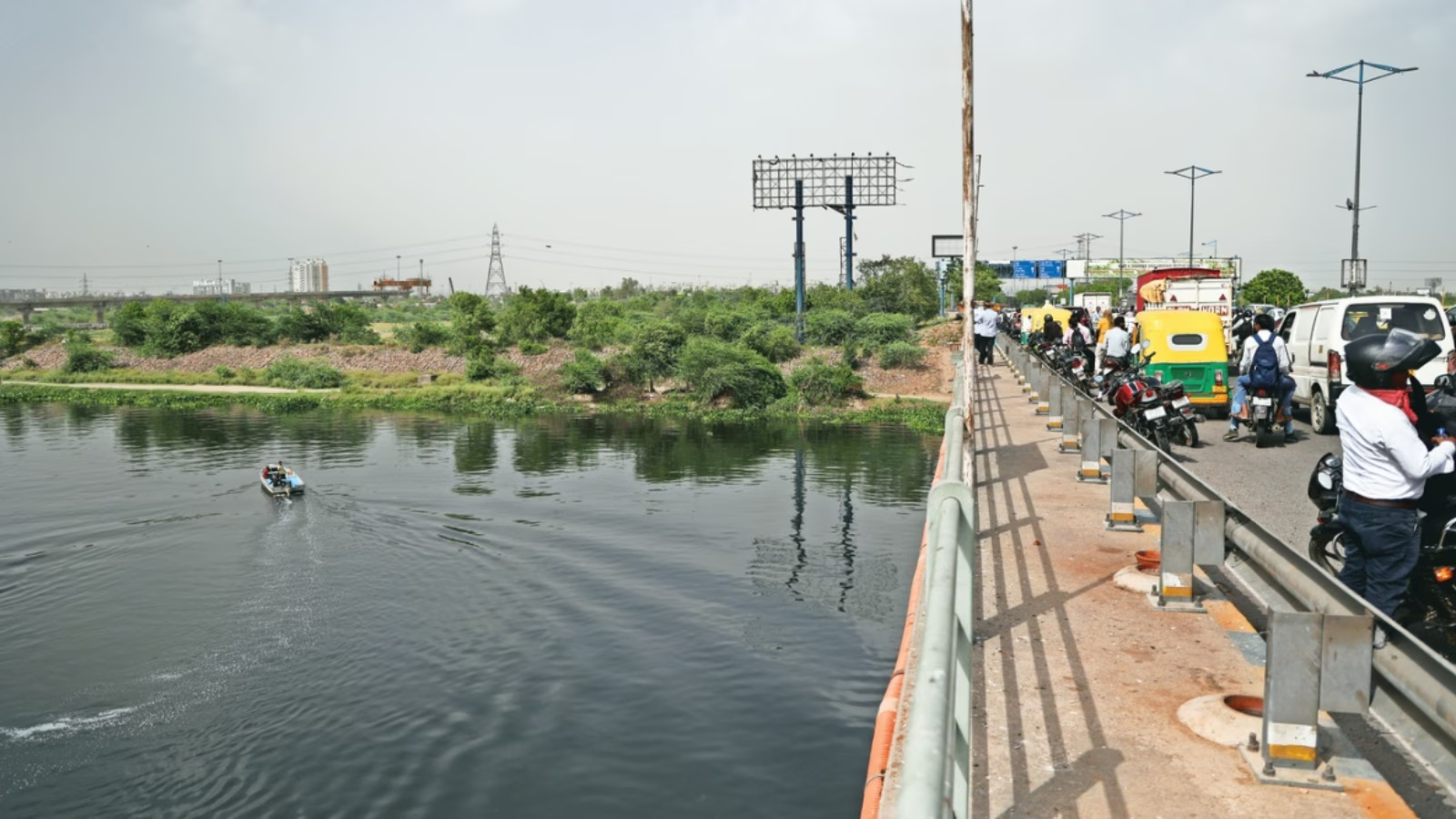
A large-scale riverfront mobility project is set to reshape how residents move through Delhi, with authorities initiating plans for a continuous non-motorised corridor along the Yamuna River. The proposed stretch, spanning over 50 kilometres, is positioned as a dual intervention—improving urban mobility while restoring ecological value along one of the capital’s most stressed natural assets. The planned Delhi cycle track will connect key points between the northern and southern edges of the city’s riverfront, creating a dedicated pathway for cyclists and pedestrians. Designed to be implemented in phases over the next few years, the corridor aims to reduce dependence on short-distance motorised travel while offering an alternative transport option integrated with public spaces.
Urban planners see the Delhi cycle track as part of a broader shift towards low-carbon mobility systems. Non-motorised transport infrastructure has remained underdeveloped in most Indian cities, despite its potential to cut emissions, improve air quality, and promote healthier lifestyles. By aligning mobility planning with ecological restoration, the initiative attempts to address both environmental and urban design challenges simultaneously. The riverfront location adds complexity and opportunity. The Yamuna floodplains have long been subject to encroachment and environmental degradation. Experts suggest that well-designed public infrastructure—if carefully executed—can help reclaim these areas as accessible, green urban spaces without compromising ecological sensitivity. However, they caution that construction must adhere to strict environmental safeguards to avoid further stress on the river system. Alongside the cycling corridor, efforts are underway to improve vehicular management in dense neighbourhoods through new structured parking facilities.
Several high-demand commercial and residential zones have been identified for multi-level parking development, reflecting a growing need to organise on-street parking and reduce congestion. These projects are expected to complement non-motorised transport initiatives by addressing last-mile connectivity and traffic flow challenges. Existing parking infrastructure across the city has expanded in recent years, with multiple facilities already operational and additional sites under construction. Urban mobility experts note that while parking solutions are necessary, their integration with public transport and active mobility systems will determine long-term effectiveness. Over-reliance on parking expansion without parallel investment in sustainable transport could undermine climate goals. The plan also intersects with heritage and public realm development, with proposals to revitalise historic civic spaces in older parts of the city. Such initiatives are increasingly viewed through the lens of place-making, where mobility, culture, and economic activity converge to shape urban experience.
As implementation begins, the success of the cycling corridor will depend on execution quality, maintenance, and user adoption. If delivered effectively, it could signal a transition towards more inclusive, climate-responsive infrastructure—where mobility is not just about movement, but about improving environmental outcomes and quality of life in a rapidly growing city.