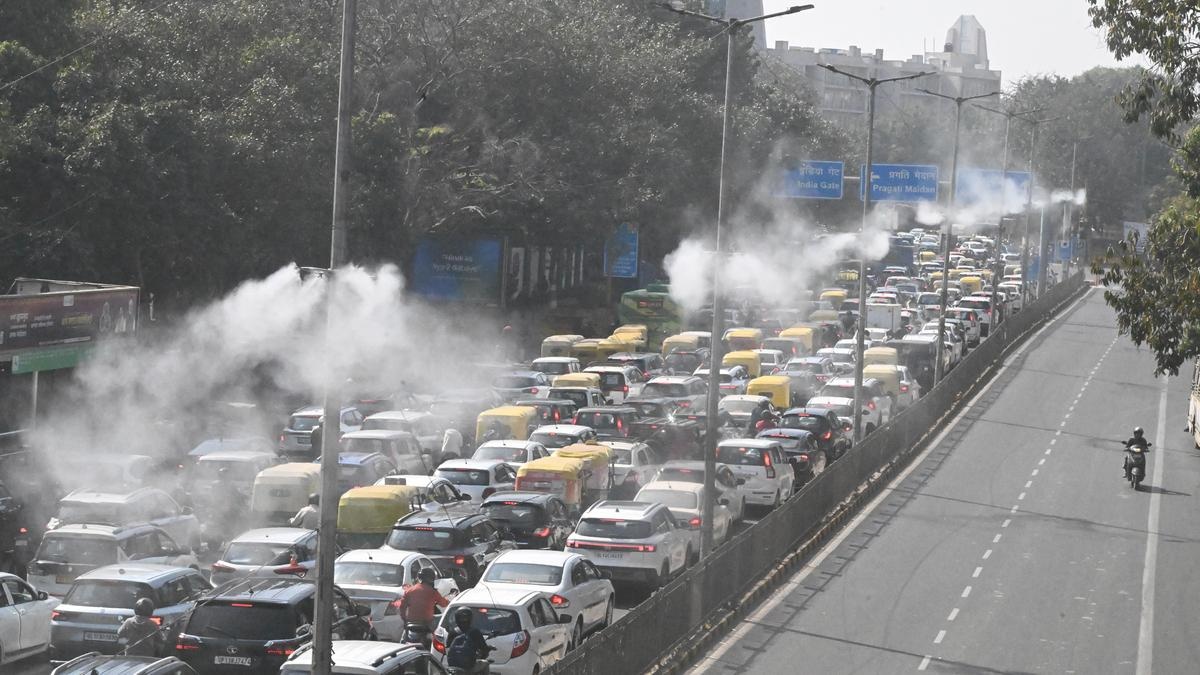
A marginally cooler start to the day in Delhi has done little to offset the broader seasonal transition, as rising daytime temperatures and stable pollution levels continue to shape the city’s urban environment. With air quality remaining in the moderate range, the evolving weather pattern reflects the complex balance between climate conditions, emissions, and infrastructure resilience in the capital. The city recorded an early morning temperature slightly below the seasonal average, while forecasts indicate daytime readings climbing to around 31°C. Across multiple monitoring locations, temperature variations remained within a narrow band, signalling a gradual but steady shift towards warmer conditions. Meteorological experts suggest that such fluctuations are typical during this period, though their intensity and frequency have shown increasing variability in recent years.
For urban systems, these changes are more than just seasonal markers. The interplay between temperature and pollution is a defining feature of Delhi air quality, influencing both public health and energy consumption. As temperatures rise, the demand for cooling accelerates, often leading to higher electricity usage and associated emissions, particularly in densely populated neighbourhoods. Air quality data indicates that the city remains within the “moderate” category, a range where pollutants are present but not immediately hazardous for the general population. However, experts caution that even moderate levels of pollution can have cumulative health impacts, especially for vulnerable groups. The classification system, based on national standards, categorises air quality across a spectrum from good to severe, with moderate conditions representing a threshold that requires continued monitoring. The current Delhi air quality scenario also reflects the role of meteorological factors such as wind speed, humidity, and cloud cover in dispersing pollutants. Limited rainfall activity and partly cloudy skies have contributed to stable conditions, preventing both rapid improvement and deterioration in air quality.
Urban planners note that such stability can be misleading, as pollution levels may escalate quickly under stagnant atmospheric conditions. From an infrastructure and planning perspective, the situation highlights the importance of integrating climate-sensitive strategies into city development. Measures such as expanding green cover, promoting public transport, and adopting energy-efficient building designs can help mitigate the combined effects of heat and pollution. These interventions are increasingly seen as essential for maintaining liveability in large urban centres. The implications extend to real estate and economic activity as well. As temperatures rise, demand for climate-resilient housing and commercial spaces is expected to grow, with developers focusing on ventilation, insulation, and sustainable materials. This shift reflects a broader recognition that environmental performance is becoming a key determinant of urban value.
As the city moves deeper into the warmer months, maintaining stable air quality alongside rising temperatures will remain a critical challenge. The effectiveness of ongoing measures will depend on sustained coordination between environmental monitoring, infrastructure planning, and public awareness, shaping how the capital navigates the pressures of climate and growth.